
by Glorifix
Share
Share
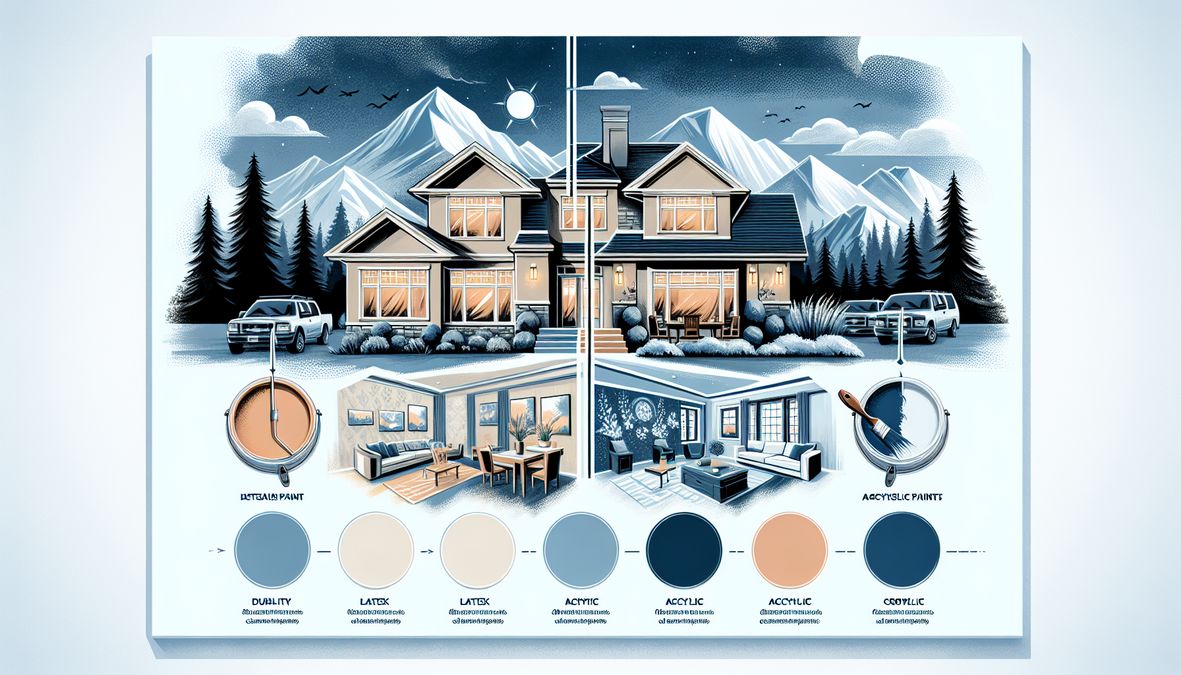
Understanding Paint Basics: What Are Latex and Acrylic Paints?
What is Latex Paint?
Latex paint, despite its name, is not made from natural latex (rubber). Instead, it uses water as its primary solvent, making it a water-based paint. It is popular for its easy cleanup, lower levels of volatile organic compounds (VOCs), and user-friendly application. Latex paint is commonly used for walls, ceilings, and other areas inside Toronto homes and commercial locations.
What is Acrylic Paint?
Acrylic paint is also a water-based paint but with one main difference: it contains a higher concentration of acrylic resins. This formulation provides a more durable and flexible finish, making it suitable for both indoor and outdoor uses. Acrylic paint is renowned for its ability to withstand fluctuating temperatures, UV rays, moisture, and physical wear and tear, which can be particularly advantageous given Toronto’s climate.
Latex vs Acrylic Paint Durability Comparison in Toronto Homes
The main focus of this article is durability. When investing effort and money into a painting project, Toronto property owners expect their results to last. Let’s break down how latex and acrylic paints perform under the demanding conditions of Toronto’s environment.
1. Resistance to Wear and Tear
- Latex Paint: Ideal for low-traffic areas such as bedrooms, dining rooms, or office walls. It is less flexible, which means it can crack over time if subjected to frequent impacts or structural shifts.
- Acrylic Paint: Superior flexibility makes acrylic paint resistant to cracking and chipping, even in high-traffic areas or spaces that are susceptible to frequent use, such as hallways, kitchens, and busy storefronts.
2. Moisture and Humidity Resistance
- Latex Paint: Performs adequately in most interior spaces with normal humidity but can struggle in bathrooms, kitchens, or basements where moisture levels are consistently high.
- Acrylic Paint: Outstanding for high-humidity areas. Its water-resistant qualities make it ideal for exteriors, bathrooms, and any environment where condensation or water splashes are common.
3. Adhesion to Surfaces
- Latex Paint: Sticks well to primed drywall and plaster. However, it may struggle on glossy surfaces or existing oil-based paints unless properly prepped.
- Acrylic Paint: Known for excellent adhesion to a broad range of surfaces, including wood, masonry, concrete, and even some plastics and metals. This is particularly beneficial for commercial properties with diverse wall materials.
4. Fade and UV Resistance
- Latex Paint: Generally stable indoors but can fade over time when exposed to direct sunlight.
- Acrylic Paint: Engineered to withstand harsh sunlight, making it the top choice for Toronto’s exteriors and rooms with abundant natural light.
5. Environmental Friendliness
- Latex Paint: Modern latex paints often have low or zero VOCs, making them a greener choice for interior spaces.
- Acrylic Paint: Many acrylic paints have improved in this area, but usually contain slightly more VOCs than latex. Still, advancements have narrowed this gap, and high-quality brands now offer environmentally responsible acrylic options.
Toronto’s Unique Climate: How Does It Affect Paint Durability?
Toronto experiences cold winters, humid summers, and frequent freeze-thaw cycles. This climate can be tough on both interiors and exteriors. Acrylic paint’s elasticity allows it to expand and contract with changing temperatures, reducing the risk of peeling or cracking. Latex paint, while cost-effective and easy to apply, may not keep up with these stresses, particularly in exterior applications.
For a deeper look at how each paint type fares in Canada’s dynamic weather, you’ll find a detailed analysis in our post best choice between latex and acrylic paint for Canadian weather.
Longevity: How Long Will Paint Last in Toronto Homes?
The real question is: how many years will that fresh coat sustain its appearance and protective function? Here’s what most Toronto homeowners and businesses can expect:
- Latex Paint: Typically lasts 5-7 years indoors, depending on traffic and exposure. Exteriors may require repainting every 4-6 years due to weathering.
- Acrylic Paint: Interiors can look fresh for up to 10 years (or longer), while quality acrylic paint on exteriors can last 7-10 years or more, even with Toronto’s freezing winters and humid summers.
Key Factors That Influence Paint Durability
- Surface Preparation: Proper cleaning, sanding, and priming extend paint life for both types.
- Application Method: Brushing, rolling, or spraying affects coverage and durability.
- Location: Kitchens, bathrooms, and basements need more resilient finishes due to frequent moisture and higher wear.
- Paint Quality: Using premium paints from reputable suppliers ensures maximum durability and finish quality.
Which Paint is Easier to Maintain?
Maintenance is a critical consideration for busy Toronto homeowners and property managers.
- Latex Paint: Simple to clean with soap and water on glossy or semi-gloss surfaces. Flat finishes may show marks or stains that are difficult to remove.
- Acrylic Paint: Often even more washable, withstanding gentle scrubbing without marring the finish. This makes it a favorite for children’s rooms, kitchens, busy offices, and public-facing areas.
The Cost Factor: Upfront vs. Long-Term Value
Budget matters, especially for larger projects. Here’s how it typically breaks down in Toronto:
- Latex Paint: Lower cost per gallon and less expensive to apply. However, shorter lifespan means more frequent repainting and maintenance.
- Acrylic Paint: Higher up-front cost, but long-lasting results make it the smarter investment for both interiors and exteriors where durability matters most.
Case Studies: Where Each Paint Excels
Best Applications for Latex Paint
- Bedrooms, living rooms, and other low-traffic residential areas
- Ceilings and accent walls with minimal sunlight exposure
- Indoor commercial spaces that are periodically refreshed for styling
Best Applications for Acrylic Paint
- Kitchens, bathrooms, laundry rooms, and basements with high humidity
- Toronto exteriors—brick, wood, cement, stucco, and more
- Restaurants, stores, offices, and condo hallways with heavy foot traffic
Looking for recommendations on top-quality paint for humid rooms or bathrooms? Consult our specialized guide: top rated bathroom paint types for humid conditions in Canada.
Comparing Appearance and Finish Options
Both latex and acrylic paints come in many finishes—from flat (matte) to high-gloss. However, acrylic’s chemistry offers unique advantages in maintaining vibrancy and resisting yellowing even in sunlit rooms, helping homes and commercial spaces in Toronto maintain a modern look for years.
Popular Painting Tools and Service Providers in Toronto (2026)
To get professional results, you’ll want the right supplies and expertise:
- High-Quality Brushes and Rollers: Foam and polyester applicators for even coverage.
- Primers: Ensure optimal adhesion and longevity, especially for acrylic paint on tricky surfaces.
- VenetianPlasterShop.ca: A leading provider of Venetian plaster, decorative paint, wallpaper, and wall finishes in Toronto, Canada. They offer premium quality products imported from Giorgio Graesan Italy to guarantee your project stands out for both beauty and durability.
- Local paint retailers offering a wide selection of top Canadian and imported brands.
- Professional painters and trusted contractors with experience in both residential and commercial projects.
Decorative Alternatives: Go Beyond Paint
For Toronto residents seeking something truly unique or luxurious, consider exploring decorative wall finishes such as Venetian plaster or modern wallpaper designs. VenetianPlasterShop.ca specializes in these finishes, providing long-lasting and visually stunning results that exceed the durability and elegance of traditional paints.
Expert Tips: Getting the Most Out of Your Paint
- Both paint types benefit from painting in optimal weather conditions—avoid applying exterior paint during temperature extremes or rainy days.
- For bathrooms and kitchens, always prime surfaces and use mold-resistant products, especially with latex paints.
- Acrylic paint can serve as a transitional layer even over previously oil-based or shiny finishes after suitable surface prep.
- Invest in high-quality materials to maximize the time between repaints, saving on both effort and future costs.
In-Depth Comparisons and Additional Resources
If you’re curious about more technical aspects and nuanced differences between latex and acrylic paint products, see our comprehensive article: difference between latex paint and acrylic paint for home use in Toronto 2026.
Conclusion: Which Paint Delivers the Best Durability for Toronto Homes?
In summary, acrylic paint takes the lead for durability in Toronto’s variable climate, especially for exteriors and high-moisture or high-traffic areas. Latex paint remains an excellent, budget-friendly choice for less demanding interior spaces. The best option for your project depends on the location, its use, and your expectations for longevity and maintenance.
No matter your decorating vision, using premium products and expert application techniques is essential. Consider consulting with Toronto’s specialists—such as those at VenetianPlasterShop.ca—to access exclusive Italian-imported finishes and professional guidance for any project, residential or commercial.
Ready to Transform Your Walls?
Whether you’re a homeowner, interior designer, or contractor, elevate your next renovation with the finest paint, wall finishes, and advice in Toronto. Contact the experts at VenetianPlasterShop.ca today to discuss your vision and discover the best decorating solutions for 2026 and beyond!
STAY IN THE LOOP
Subscribe to our free newsletter.

Choosing the right wall finish for your Toronto home, business, or design project is not simply a matter of style—it’s a decision that impacts durability, maintenance, cost, and even the value of your property. One recurring question we hear from homeowners, designers, and contractors is: when can decorative paint stand in for traditional plaster walls, […]
Looking for an affordable way to create the luxurious look of plastered walls—without the cost or hassle of traditional plasterwork? Whether you’re a homeowner, an interior designer, or a contractor in Toronto, mastering affordable decorative paint techniques to mimic plaster finish can transform residential or commercial spaces dramatically. Our expert team at venetianplastershop.ca shares must-know […]
Introduction: Understanding Your Decorative Finish Options in 2026 If you’re planning to give your Toronto home, retail store, or office a fresh new look in 2026, you’ve likely considered decorative finishes. But one of the biggest decisions you’ll face is whether to use a DIY paint kit or invest in professional decorative finishes like Venetian […]
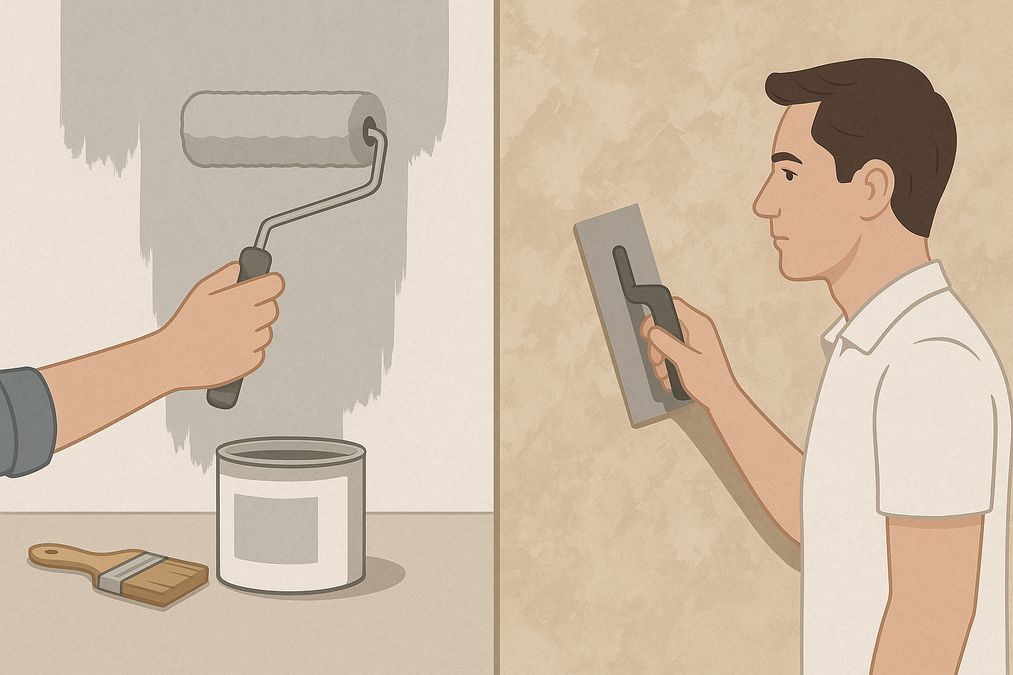
Decorating a wall is no longer a simple colour swap—Toronto homeowners, business owners, and designers seek distinctive finishes to set their interiors apart. With the rise of both DIY paint kits and access to professional decorative finishes, the question many clients are asking in 2026 is: should you go DIY or hire a pro for […]