
by Glorifix
Share
Share

Why Microcement Is Gaining Popularity in Toronto
The demand for decorative finishes such as microcement has grown tremendously in the Toronto market. Unlike traditional tiles, microcement offers a continuous surface without joints or grout lines, creating a sleek, contemporary atmosphere that elevates any space.
- Durability: Microcement is resistant to cracks, moisture, and daily wear.
- Versatility: Ideal for floors, walls, countertops, and even furniture.
- Design Flexibility: Available in a wide range of textures, colours, and finishes.
- Easy Maintenance: Seamless surface makes cleaning simple.
Given these advantages, it’s no wonder Toronto homeowners and design professionals are excited to learn more about microcement application techniques.
The Importance of Proper Microcement Application Techniques
Although microcement looks effortless, its application process is a refined craft that requires training and attention to detail. Improper application can lead to defects, uneven surfaces, or poor durability. For homeowners, contractors, and designers in Toronto who want long-lasting results, understanding the best ways to learn microcement application techniques in Toronto is crucial.
What Makes Microcement Application Unique?
Unlike painting or regular plastering, microcement involves multiple layers, specialized primers and sealers, and specific troweling techniques. Precision and patience are needed from preparation to finish. Toronto’s climate also brings humidity and temperature swings that can affect curing and adherence, making it especially important to understand the local best practices.
Best Ways to Learn Microcement Application Techniques in Toronto (2026)
Whether you’re a DIY enthusiast, a professional contractor, or an interior designer, there are several proven ways to master microcement application in Toronto’s unique environment.
1. Enroll in Microcement Workshops and Training Sessions
Hands-on workshop training is one of the best ways to learn microcement application techniques in Toronto. These sessions allow participants to practice mixing, layering, troweling, and sealing under expert supervision.
- Live demonstrations of proper surface preparation
- Guided experience with mixing and applying both base and finish coats
- Advice on troubleshooting issues like bubbles, discoloration, or unevenness
- Networking with other local tradespeople and designers
Looking for a detailed review of available courses? Check out the comprehensive guide on the best microcement workshop training in Toronto for 2026 for up-to-date options and tips for enrolling in the right program.
2. Attend Beginner-Friendly Microcement Classes
For those just starting out, beginner workshops make the learning curve much less intimidating. These classes focus on foundational techniques, product understanding, and step-by-step project guides. You’ll often work on your own sample panels, learning the basics of smooth application, fine-tuning textures, and achieving desirable finishes.
Tip: Microcement workshops tailored for beginners are ideal if you’re a homeowner aiming for DIY renovation, or a tradesperson looking to add a new skill for your clients.
Discover local beginner microcement training options in the Toronto microcement workshop guide for beginners in 2026.
3. Learn from Online Tutorials and Video Courses
If scheduling or commuting is a challenge, several reputable platforms offer online courses on microcement application. While not as hands-on as in-person workshops, these virtual resources can supplement your knowledge:
- Step-by-step project videos
- Expert Q&A sessions
- Downloadable guides and checklists
- Opportunities to join online communities of fellow learners
Remember: Online courses are most effective when paired with practice. Order small sample kits, do trial runs at home, or team up with a local mentor for feedback.
4. Shadow an Experienced Microcement Installer
Toronto’s top microcement artisans and contractors often welcome apprentices or short-term observers eager to learn the trade. By shadowing a professional on real jobsites, you’ll gain firsthand insight into:
- Jobsite preparation and protection
- Priming, base layer, and final finish processes
- Dealing with Toronto-specific substrate issues (old brick, concrete, drywall, etc.)
- Optimizing workflow for residential vs. commercial spaces
Contact local decorative finishes shops—such as venetianplastershop.ca—to inquire about mentorship or shadowing opportunities with their expert team.
Essential Tools & Materials for Microcement Application
Success with microcement begins with the right materials and tools. High-quality products and application equipment ensure a smooth process and stunning, long-lasting results.
Key Tools Needed for Microcement Application
- Professional stainless steel trowels
- Mixing drills and buckets
- High-grit sanding blocks or orbital sanders
- Fine paint rollers for sealer and primer
- Protective wear: gloves, masks, and goggles
Recommended Microcement Materials (2026)
Always choose proven brands and providers trusted by Toronto’s pros. One of the best sources in Canada is venetianplastershop.ca, exclusive distributors of Giorgio Graesan Italy materials:
- Microcement base and top coat mixes
- Specialty primers and bonding agents
- Durable finishing sealers
- Colour and decorative additive collections
Looking for more information on affordable solutions? Don’t miss this guide to affordable microcement materials for home renovation in Canada.
Top Microcement Application Tips for Toronto’s Residential and Commercial Spaces
Every building is different. Toronto’s mix of historic brick houses, sleek condos, and bustling retail spaces means microcement techniques must adapt to each environment. Here’s how:
Residential Homeowners
- Test your technique on a small, inconspicuous area before tackling feature walls or floors.
- Monitor humidity and temperature; work within recommended climate ranges for curing.
- Use painter’s tape to protect adjoining surfaces and achieve crisp lines.
- Opt for neutral colours for timeless appeal or bold pigments for modern flair.
Interior Designers
- Work closely with experienced applicators to achieve custom effects—matte, satin, gloss, textured, or metallic.
- Source high-quality samples to present to clients for approvals.
- Factor in lighting—microcement looks different under natural vs. artificial lights.
- Coordinate wall, ceiling, and floor treatments for a unified look.
Contractors and Builders
- Always double-check substrate stability and clean thoroughly before applying microcement.
- Schedule staged inspections at each layer for commercial or multifamily projects.
- Ensure proper ventilation—good airflow helps curing and reduces odours.
- Document all materials and purchase sources for future touch-ups or warranty claims.
Common Challenges When Learning Microcement Application
Even for skilled tradespeople, microcement can be tricky at first. Here’s what to watch out for:
- Surface Prep: Incomplete cleaning or priming can cause peeling and weak adhesion.
- Mixing Errors: Inconsistent batches lead to colour streaks or uneven textures.
- Application Method: Too much pressure can cause trowel marks; too little, and coverage suffers.
- Environmental Issues: High humidity, especially in Toronto summers, might delay curing.
- Speed: Microcement requires a steady pace, but each coat must be fully dry before the next.
These hurdles can be overcome with patience, training, and a willingness to learn from mistakes. Remember that even experienced pros started as beginners!
Frequently Asked Questions About Microcement Learning and Application
How long does it take to learn proper microcement application?
Most people are ready to tackle small personal projects after a few days of hands-on training, followed by continued practice. For commercial jobs or large-scale renovations, more advanced workshops and mentoring are recommended.
Should I hire a professional or try it myself?
If you want flawless, seamless results—especially in high-traffic or moisture-prone areas—it’s wise to hire an experienced microcement applicator. However, DIY is a rewarding route for feature walls, small bathrooms, countertops, or experimental designs, especially when you have access to quality materials and expert advice from suppliers like venetianplastershop.ca.
What are the maintenance requirements?
Microcement surfaces are easy to maintain. Regular dusting and gentle cleaning with neutral pH products keep them looking new. For long-term protection, consider re-applying sealers as needed, especially in kitchens, baths, or commercial spaces.
Choosing the Right Training and Supplier for Microcement in Toronto
As microcement surges in popularity throughout Toronto, learning the latest application techniques and using premium materials set your projects apart. Here’s a quick checklist for finding the best learning experience:
- Look for workshops and training sessions with hands-on practice and direct feedback.
- Choose instructors with proven installation experience, both residential and commercial.
- Source materials from reliable suppliers that offer warranties, expert advice, and ongoing support.
- Stay updated with trends; decorative finishes evolve quickly, and 2026 brings exciting new textures and colours to the market.
Conclusion: Start Your Microcement Learning Journey in Toronto (2026)
Mastering microcement application techniques unlocks endless design possibilities for Toronto homeowners, interior designers, and contractors. With dedicated training, quality materials, and local support, anyone can transform walls, floors, and furniture into functional works of art. The best ways to learn microcement application techniques in Toronto include hands-on workshops, online study, mentorship, and constant practice. Ready to elevate your skills or update your space?
Contact Venetianplastershop today at venetianplastershop.ca/contact-us for workshop schedules, top-quality Giorgio Graesan Italy materials, and expert project guidance in Toronto. Your microcement journey starts here!
STAY IN THE LOOP
Subscribe to our free newsletter.

Choosing the right wall finish for your Toronto home, business, or design project is not simply a matter of style—it’s a decision that impacts durability, maintenance, cost, and even the value of your property. One recurring question we hear from homeowners, designers, and contractors is: when can decorative paint stand in for traditional plaster walls, […]
Looking for an affordable way to create the luxurious look of plastered walls—without the cost or hassle of traditional plasterwork? Whether you’re a homeowner, an interior designer, or a contractor in Toronto, mastering affordable decorative paint techniques to mimic plaster finish can transform residential or commercial spaces dramatically. Our expert team at venetianplastershop.ca shares must-know […]

Introduction: Understanding Your Decorative Finish Options in 2026 If you’re planning to give your Toronto home, retail store, or office a fresh new look in 2026, you’ve likely considered decorative finishes. But one of the biggest decisions you’ll face is whether to use a DIY paint kit or invest in professional decorative finishes like Venetian […]
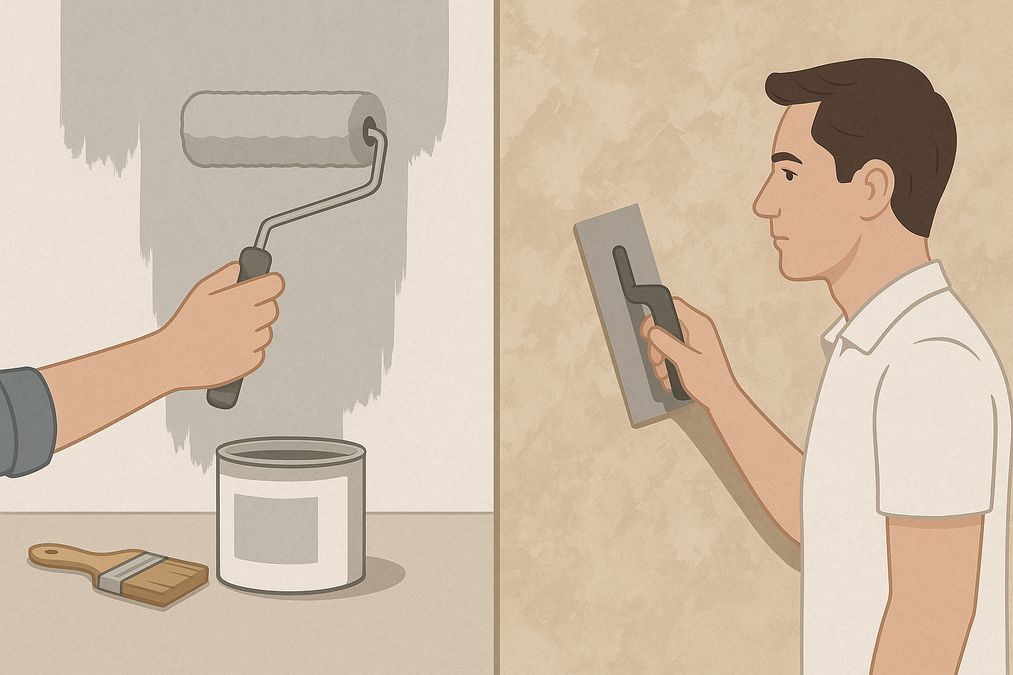
Decorating a wall is no longer a simple colour swap—Toronto homeowners, business owners, and designers seek distinctive finishes to set their interiors apart. With the rise of both DIY paint kits and access to professional decorative finishes, the question many clients are asking in 2026 is: should you go DIY or hire a pro for […]