
by Glorifix
Share
Share

Introduction: Wall Transformations in Toronto
Toronto is renowned for its mix of historic architecture and modern design. Whether you’re renovating a classic Victorian, sprucing up an urban loft, or redesigning a bustling commercial space, wall finishes play a crucial role in a room’s appeal. Both Venetian plaster and traditional painting offer unique benefits, challenges, and learning curves. Understanding these differences can help you make an informed choice, whether you’re a DIY enthusiast, a seasoned contractor, or an interior design professional.
Understanding Venetian Plaster and Traditional Painting
What is Venetian Plaster?
Venetian plaster is a sophisticated, centuries-old finishing technique that originated in Italy. It uses natural lime, marble dust, and mineral pigments to create walls with deep, luminous textures and a polished, marble-like finish. Venetian plaster stands out for its elegance, durability, and intricate craftsmanship. The technique has been modernized with materials and tools available in Canada, making it accessible yet still a specialty skill.
What is Traditional Painting?
Traditional painting generally refers to the use of water-based or oil-based paints applied to walls using brushes, rollers, or sprayers. It’s a standard finishing method with a broad range of colors and finishes: matte, eggshell, satin, gloss, and more. Painting can be done for both protection and aesthetics, and has been the default wall finishing method for decades in Toronto homes and businesses.
Main Differences Between Venetian Plaster and Traditional Painting
Before exploring their relative difficulty, it’s important to clarify how these two approaches differ in process, tools, materials, and outcomes.
- Materials: Venetian plaster requires specific natural materials and polish, while painting uses pre-mixed pigments and binders.
- Tools: Plastering involves trowels, spatulas, and specialty burnishing pads. Painting requires brushes, rollers, trays, and sometimes spray equipment.
- Skill Level: Venetian plastering is considered an artisan skill, involving artistic layering and precision. Painting is accessible to most people with standard DIY skills.
- Finish: Venetian plaster delivers a luxurious, multi-dimensional look. Painting offers consistent, flat color coverage.
- Durability: Venetian plaster is more moisture-resistant and less likely to chip, but both can be touched up or refreshed as needed.
For a more detailed comparison, visit our post on the difference between faux plaster and Venetian plaster in Toronto.
Which is Harder to Learn: Venetian Plaster or Traditional Painting in Canada?
Let’s dive into the learning process for each and explore which is generally considered harder to master for Canadian homeowners, designers, and contractors in 2026.
Learning Curve: Venetian Plaster
- Preparation: Proper surface prep is critical; walls must be perfectly clean, dry, level, and often primed differently than for paint.
- Application Techniques: Venetian plaster involves several layers, each applied in sweeping, overlapping patterns. Mastering trowel pressure, angle, and speed is essential, and takes considerable practice.
- Drying Time and Polishing: Plaster must be allowed to dry and then burnished or polished to achieve the signature sheen.
- Error Correction: Mistakes are much harder to fix. A poorly executed section often requires removal and starting over.
- Artistic Judgment: Since each wall is unique, artistic skills come into play for custom textures and finishes.
- Physical Skill: Working with trowels is physically demanding and tiring on arms and wrists.
Learning Curve: Traditional Painting
- Preparation: Surfaces need to be clean, patched, and primed—a process most people find straightforward with basic guidance.
- Application Techniques: Rolling or brushing paint can usually be learned in a day. Spray painting requires more technique, but is still less complex than plastering.
- Drying Time and Touch Ups: Paint dries quickly and is forgiving. Mistakes or uneven areas can be painted over easily.
- Artistic Judgment: Limited creative opportunity compared to plaster (except with specialty decorative painting techniques).
- Physical Skill: Less physically demanding, suitable for all skill levels.
Expert Opinions and Real-World Experience in Toronto
Most Toronto painting professionals, as well as artisans who specialize in Venetian plaster, agree: Venetian plaster is significantly harder to learn than traditional painting. It is both a technical and artistic craft, blending materials science and creative expression. Traditional painting, by comparison, is quick to pick up and forgiving of errors.
However, the challenge of Venetian plaster is precisely what makes it so rewarding—and why it’s regarded as a sign of premium craftsmanship in luxury homes and high-end commercial interiors.
Key Factors Affecting the Difficulty Level
1. Surface Preparation
Both methods need clean, smooth surfaces. Venetian plaster requires near-perfect prepping to avoid imperfections that will show through the thin, translucent layers. Traditional paint is more forgiving of minor bumps or flaws, with thicker textures available to help mask any problem spots.
2. Tools and Materials
- Venetian Plaster: Requires Italian lime plasters, specialty pigments, and stainless steel finishing trowels. Many of the best products in Toronto now come from Giorgio Graesan Italy, and are available through venetianplastershop.ca.
- Traditional Painting: Involves brushes, rollers, trays, masking tape, drop cloths, and widely-available paint products.
3. Climate and Environment
Canada’s variable climate affects wall finishes. Venetian plaster offers breathability and resistance to moisture, making it suitable for both humid and dry Toronto environments. Paint is versatile but can peel or crack with humidity fluctuations. However, both require proper curing for optimal results.
4. Time Commitment
- Venetian Plaster: Multi-layer process can take several days, including drying and polishing stages. First-time learners should expect a longer timeline due to the learning curve.
- Traditional Painting: Can be completed within a day or two, especially for mid-sized rooms. Ideal for quick updates or tight timelines.
Who Should Consider Learning Venetian Plaster?
Venetian plaster is ideal for people looking to:
- Make a dramatic, timeless statement in their home or business
- Add value to a property with a luxury finish
- Differentiate their design projects from generic painted walls
- Explore historic or modern European aesthetics
- Develop or showcase artisan craftsmanship skills
For the unique benefits of Venetian plaster in Toronto homes, see our guide to the benefits of Venetian Plaster for home walls in Toronto 2026.
Who Should Consider Sticking with Traditional Painting?
Traditional painting is perfect for:
- DIYers looking for a budget-friendly, quick wall makeover
- Commercial spaces needing frequent rebranding or updates
- Large wall areas where uniformity is more valued than texture or luxury
- Rental properties or spaces where future updates are expected
- Learning the basics of wall finishing before exploring more complex methods
Tools and Products for Beginners and Professionals in Toronto
Venetian Plaster Resources
- venetianplastershop.ca – Toronto’s premier source for Venetian plaster, decorative paint, wallpaper, and wall finishes from Giorgio Graesan Italy
- Italian-imported lime plasters and pigments
- Professional-grade stainless steel trowels and spatulas
- Trowel cleaning and polishing pads
- Workshops and classes on Venetian plaster application in Toronto
Traditional Painting Resources
- venetianplastershop.ca for specialty wall paints and finishes
- Major hardware stores for paint, brushes, rollers, and trays
- DIY painting and safety workshops in Toronto
- Paint calculation and color selection tools
Training, Certification, and Professional Help
Those interested in mastering Venetian plaster or taking their painting skills to the next level can benefit from formal classes and hands-on workshops. Many Toronto institutions now offer certification in both fields, helping contractors and designers stand out in a competitive 2026 marketplace.
- Look for apprenticeships with artisans or registered contractors for Venetian plaster
- Enroll in technical college or paint supplier workshops for advanced painting skills
- Practice is key—start with small projects before taking on entire rooms
Cost Considerations
- Venetian Plaster: More expensive upfront—ranging from materials to specialized labor. However, it offers long-lasting beauty and technical benefits that justify the investment for many Toronto homes and businesses.
- Traditional Painting: Generally low-cost and quick to update, but may require more frequent maintenance in high-traffic or demanding areas.
See a deeper analysis of the value added by Venetian plaster in our post on Venetian plaster advantages for home renovation in Toronto 2026.
Practical Tips for Those New to Wall Finishing in 2026
Start Small, Learn as You Go
- If you’re curious about Venetian plaster, test it on a small feature wall, fireplace surround, or niche before committing to a full room.
- For traditional paint, experiment with color blocks, accent walls, or murals to build confidence and skills.
Work with Experts
- Partnering with certified installers or skilled artisans ensures the best results for Venetian plaster.
- Professional painters can tackle large or challenging wall surfaces quickly and safely.
Use High-Quality Products
- Premium materials—not just technique—affect the outcome. Sourcing from trusted suppliers like venetianplastershop.ca guarantees the finest results, especially for high-end plaster and decorative finishes by Giorgio Graesan Italy.
Conclusion: Make the Right Choice for Your Toronto Space
When deciding which is harder to learn: Venetian plaster or traditional painting in Canada, it’s clear that Venetian plaster demands a higher level of skill, artistry, and practice. While painting is more accessible for beginners and offers a fast, affordable way to refresh interiors, the luxury and craftsmanship of Venetian plaster make it a sought-after option for those willing to invest in mastering the craft.
Whether you are an adventurous homeowner, an interior designer seeking inspiration, or a contractor hoping to expand your skillset, Toronto’s vibrant market in 2026 offers ample opportunities to explore both techniques. By understanding the unique benefits, challenges, and tools required for each, you can make a confident choice that enhances your property’s beauty and value.
If you’re ready to begin your transformation—or want expert guidance on choosing and applying the finest Venetian plaster or decorative paints—reach out to the professionals at Venetianplastershop today. Discover the difference quality craftsmanship can make in your Toronto home or business!
STAY IN THE LOOP
Subscribe to our free newsletter.
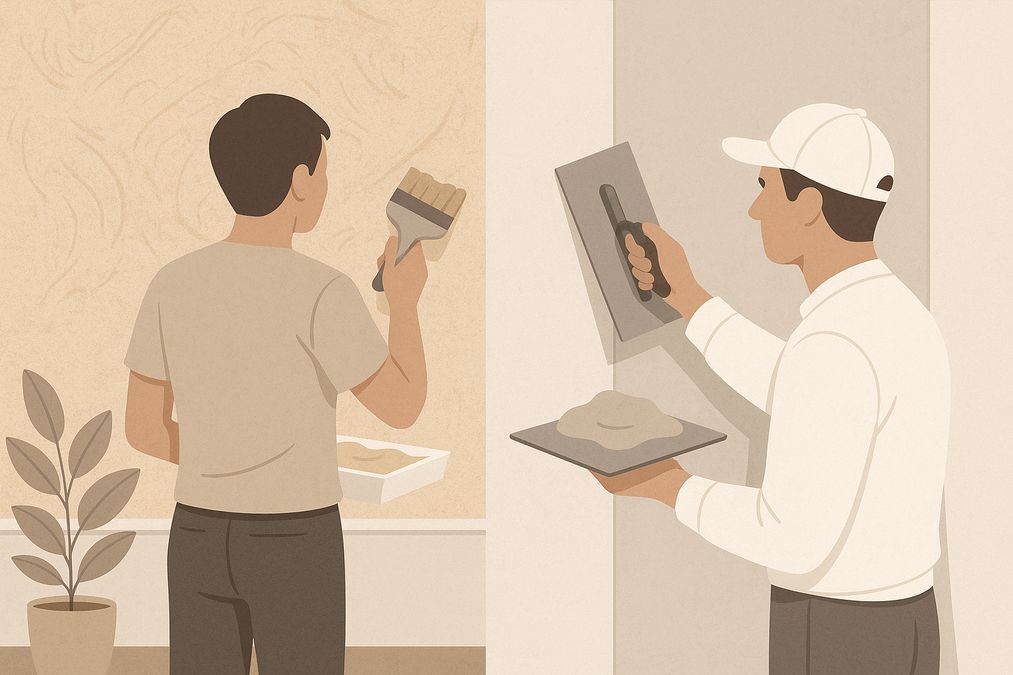
Choosing the right wall finish for your Toronto home, business, or design project is not simply a matter of style—it’s a decision that impacts durability, maintenance, cost, and even the value of your property. One recurring question we hear from homeowners, designers, and contractors is: when can decorative paint stand in for traditional plaster walls, […]
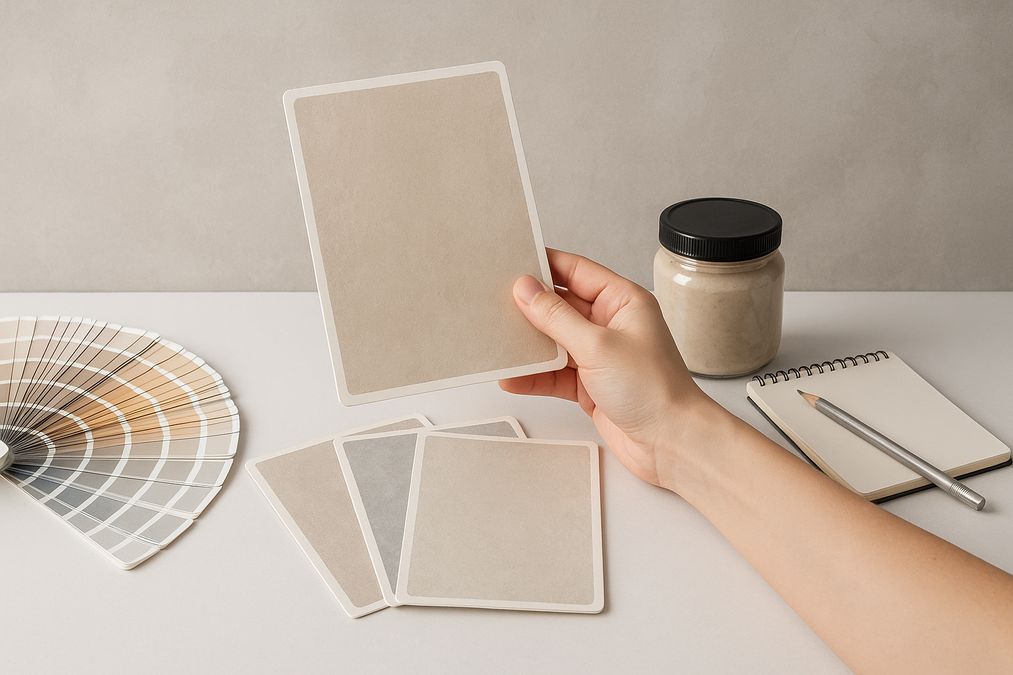
Looking for an affordable way to create the luxurious look of plastered walls—without the cost or hassle of traditional plasterwork? Whether you’re a homeowner, an interior designer, or a contractor in Toronto, mastering affordable decorative paint techniques to mimic plaster finish can transform residential or commercial spaces dramatically. Our expert team at venetianplastershop.ca shares must-know […]
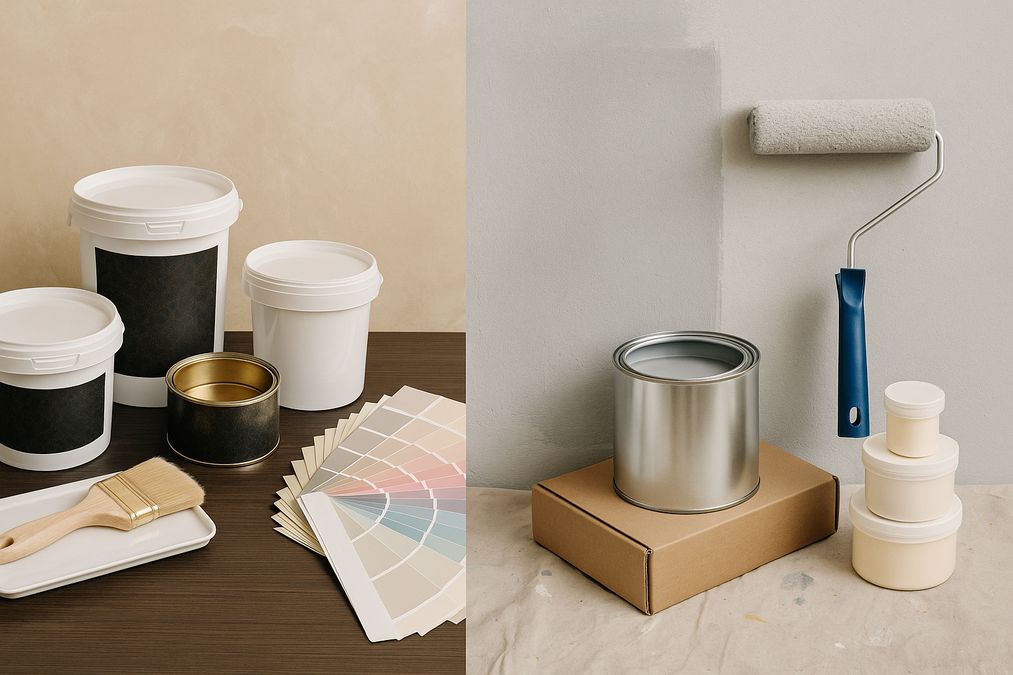
Introduction: Understanding Your Decorative Finish Options in 2026 If you’re planning to give your Toronto home, retail store, or office a fresh new look in 2026, you’ve likely considered decorative finishes. But one of the biggest decisions you’ll face is whether to use a DIY paint kit or invest in professional decorative finishes like Venetian […]
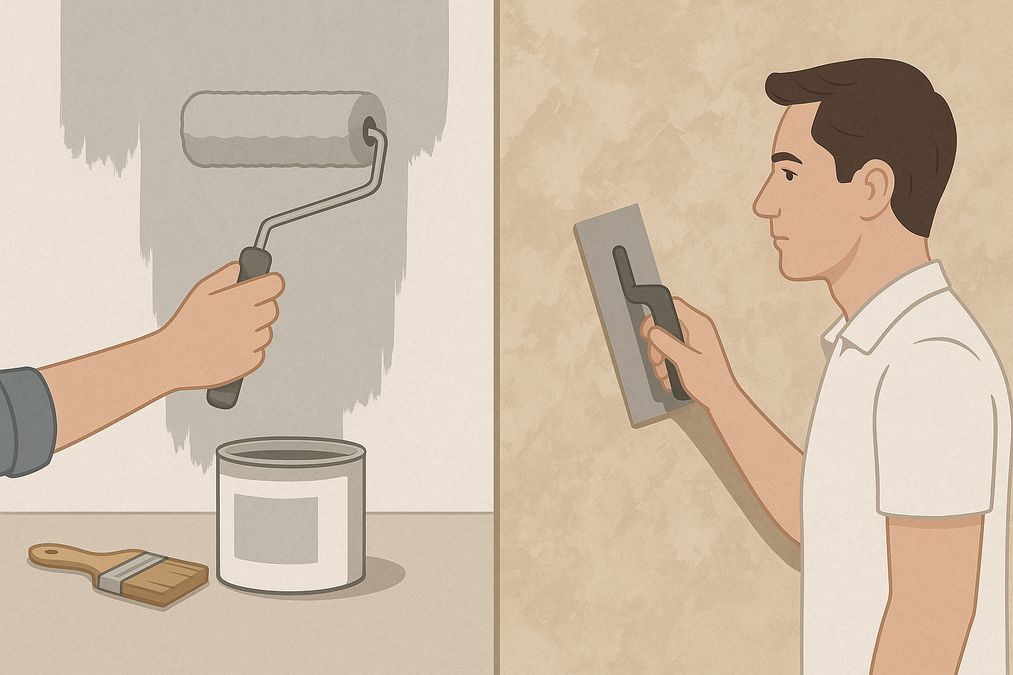
Decorating a wall is no longer a simple colour swap—Toronto homeowners, business owners, and designers seek distinctive finishes to set their interiors apart. With the rise of both DIY paint kits and access to professional decorative finishes, the question many clients are asking in 2026 is: should you go DIY or hire a pro for […]