
by Glorifix
Share
Share

What Is Limewash and Why Is It Popular for Exterior Walls?
Limewash is a centuries-old decorative wall finish, created by mixing slaked lime with natural pigments and water. When applied, it soaks into masonry surfaces, creating a chalky, matte patina that evolves over time. This finish remains a favorite for exteriors in Toronto’s vibrant design scene due to its:
- Eco-friendly properties: Made from natural minerals, limewash is non-toxic and low VOC.
- Unique, soft finish: The result is a lived-in look beloved in heritage and modern projects alike.
- Naturally antimicrobial: Lime prevents the growth of mold, fungus, and bacteria.
- Breathability: Unlike many synthetic paints, limewash allows surfaces to “breathe,” minimizing moisture-related damage.
- Buildable patina: Limewash weathers gracefully, lending buildings enduring character.
To learn more about why limewash is acclaimed for sustainability and indoor air quality, don’t miss why limewash is the preferred choice for eco-friendly walls in 2026.
Do You Need to Seal Limewash on Exterior Walls?
This is the million-dollar question for anyone restoring or transforming a Toronto home, store, or commercial building in 2026. The answer isn’t always a simple “yes” or “no”—it depends on your building’s exterior material, the environment, and the level of long-term performance you expect. Below, we’ll break down the factors so you can make an informed decision.
How Limewash Works on Exteriors
When applied to porous surfaces like brick, stone, or concrete, limewash penetrates the substrate and chemically reacts, forming a hard, mineral layer. This creates a durable bond, but it lacks the ‘sealing’ properties of contemporary paints.
- Traditional practice: Historically, limewash was left unsealed to enable the fabric of the building to “breathe.”
- Natural weathering: Rain, snow, and UV rays will cause gradual fading or erosion, which many see as part of limewash’s charm.
- Toronto climate considerations: Our city’s freeze-thaw cycles and heavy rainfall can accelerate wear. High-traffic or exposed buildings may require additional protection.
Reasons to Seal Limewash on Exterior Walls
Sealing limewash is an increasingly common option in busy urban environments or areas with harsh weather. Here’s why you might consider it:
- Extended lifespan: A breathable sealer protects the limewash layer from accelerated weather erosion.
- Colour stability: Sealed limewash retains its fresh appearance longer, which is ideal for contemporary commercial spaces or high-end residential projects where appearance is paramount.
- Stain resistance: A sealer helps repel surface dirt, pollutants, and organic growth like algae or moss, keeping your walls cleaner.
- Easier maintenance: Periodic cleaning becomes less abrasive, reducing the need for frequent reapplication.
When It’s Best Not to Seal Limewash
Some scenarios where leaving limewash unsealed is preferred:
- Heritage buildings: Museums, historic homes, or restoration projects aiming to maintain authentic finishes.
- Soft patina desired: Where natural aging and weathering are celebrated as part of the design language.
- Highly porous masonry: On certain surfaces, sealing may reduce breathability and potentially trap moisture, risking substrate damage over time.
Pro Tip: It’s crucial to choose a breathable, mineral-compatible sealer if you opt to seal limewashed exteriors. Traditional acrylic or polymer-based sealers can negate limewash’s breathable, vapor-permeable benefits.
Types of Sealers for Limewash on Exterior Walls
Not all sealers are created equal, especially when it comes to limewash. Here’s a breakdown of the main options for Toronto exteriors:
1. Silicate-Based Sealers
- Best for: Brick, stone, and masonry.
- Features: Chemically bonds with lime and the substrate, maintaining breathability and maximizing durability.
- Finish: Matte to slight sheen, doesn’t yellow over time.
- Downside: Typically more costly, but offers superior protection for Toronto’s climate.
2. Mineral Paint Sealers
- Designed for: Heritage projects and restoration work where breathability and historical accuracy matter.
- Finish: Soft matte; maintains limewash’s original look and feel.
- Bonus: Can often be re-applied easily for refreshes.
3. Wax-Based Sealers
- Usage: More typical indoors but adapted for detailed stonework and custom finishes on protected exterior surfaces.
- Downside: Don’t provide high weather resistance; limited for Toronto exteriors.
4. Modern “Breathable” Sealers
- Advancements: New generation products offer vapor-permeable protection while ensuring flexibility and durability.
- Good for: High-traffic commercial areas and modern design-led projects.
Always consult professionals (like Venetian Plaster Shop) for the best sealer type for your specific substrate and environment.
Step-by-Step Guide: Should You Seal Limewash on Your Toronto Exterior Walls?
If you’re weighing the decision, here’s a simple framework:
- Assess the Building:
- Is it historic, commercial, or residential?
- What material are the exterior walls—brick, stone, stucco, concrete?
- Consider Aesthetic Preferences:
- Do you want a naturally aged appearance, or a crisp finish that lasts?
- Evaluate Environmental Exposure:
- Does the building face heavy rainfall, wind, or UV exposure?
- Does its location mean more pollution or risk of graffiti?
- Maintenance Plan:
- Are you prepared to limewash every 5-7 years, or do you need a lower-maintenance solution?
- Consult with a Specialist:
- Talk to local experts like Venetian Plaster Shop for tailored advice, product recommendations, and application tips.
Pros and Cons of Sealing Limewash on Exterior Walls
| Pros | Cons |
|---|---|
| Longer lifespan in harsh climates | Initial cost of sealer & application |
| Colour and finish stay vivid for years | May reduce full breathability if wrong sealer is used |
| Surface becomes easier to clean and maintain | Might alter appearance (gloss or tone change) |
| Better resistance to markings, graffiti, dirt | Needs professional application for best results |
| Good for high-traffic residential or commercial spaces | Periodic resealing required (typically every 5-10 years) |
Case Studies: Toronto Limewash Projects—Sealed vs Unsealed
Modern Storefront in The Junction: Sealed Limewash Finish
A Toronto retail boutique wanted a crisp, consistent exterior finish that matched their brand identity and stood up to busy sidewalk traffic. Using a silicate-based sealer, the limewash retained its brilliant tones despite exposure to pollution and routine cleaning—three years on, it still looks spectacular.
Century Home in Cabbagetown: Unsealed Limewash for Character
The homeowner sought to emphasize the natural, evolving aesthetic of her brick Victorian. She went unsealed, expecting yearly touch-ups. The result is a lived-in, organic finish that softens beautifully with time—a true patina that enhances the home’s charm.
Expert Tips for Sealing and Maintaining Limewash Exteriors
- Test on a Small Area First: Some sealers can subtly alter the tone or sheen of limewash. Always run a patch test.
- Apply Only to Fully Cured Limewash: Wait at least 7-14 days post-limewashing before sealing, so the mineral reaction fully completes.
- Choose the Right Weather: Apply sealer in dry, mild weather for best results. Avoid sealing during rain or extreme cold.
- Keep It Breathable: Insist on vapor-permeable, mineral-based sealers that let the substrate regulate moisture naturally.
- Professional Help Pays Off: For high-value projects (offices, store facades, entire homes), bring in Toronto pros—like those at Venetian Plaster Shop—for application and finish advice.
- Plan for Maintenance: Even sealed limewash will require touch-ups or resealing after several years, especially in Toronto’s climate.
Where to Buy Limewash and Sealers in Toronto
- Venetian Plaster Shop (venetianplastershop.ca)—The city’s trusted source for premium limewash, mineral-based sealers, and expert guidance, offering products from Giorgio Graesan Italy.
- Specialty design shops focused on heritage restorations.
- Selected paint and wall finish retailers with experience in natural finishes.
For the most up-to-date product recommendations and local buying tips, check out where to buy limewash for exterior walls in Toronto.
Limewash vs. Other Finishes—Why Toronto Loves It
Limewash is gaining traction not only for its distinctive look, but because it outperforms many traditional paints on porous masonry. Key reasons include:
- Adapts to Toronto’s Historic Homes: Ideal for restoring Victorian, Edwardian, or mid-century properties.
- Modern Design Edge: Delivers a soft, organic effect craved by today’s architects and designers.
- Low-Impact Environmental Footprint: Mineral-based; free from solvents or plastics.
For more on the broader advantages, explore the benefits of limewash for home exteriors in Toronto.
Common Questions About Sealing Limewash Exteriors in Toronto (2026)
How long does limewash last on exterior walls in Toronto?
Unsealed limewash typically lasts 5-7 years, subject to local weather and exposure. A sealed finish can last up to 10+ years with proper maintenance.
Can I apply limewash and sealer myself?
While DIY is possible, professional application is recommended for large surfaces, commercial premises, and high-profile projects.
Will sealing change the appearance of my limewashed wall?
The right sealer shouldn’t create a glossy or artificial look, but always test a small area to ensure the finish meets your expectations.
Is limewash suitable for all exterior wall types?
Limewash works best on porous surfaces—masonry, brick, or stone. For concrete or stucco, a primer or preparatory treatment may be required. Sealing protocols may also differ depending on substrate.
Conclusion: Your 2026 Guide—To Seal or Not to Seal?
If you’re choosing limewash for your home, shop, or office exterior in Toronto, understanding when to seal is key to achieving beautiful, lasting results. There is no one-size-fits-all answer; your best outcome depends on your specific structure, your aesthetic goals, and your willingness to maintain the finish.
- For maximum durability and minimal maintenance—sealing is the smart choice, provided you use the right sealer.
- For a living finish with evolving character—leave it unsealed, but prepare for regular touch-ups.
No matter your decision, work with trusted professionals and product suppliers. Venetian Plaster Shop is Toronto’s specialized resource for Venetian plaster, limewash, decorative paints, wallpaper, and wall finishes, sourcing only the best from Giorgio Graesan Italy.
Ready to upgrade your exterior with limewash? Get personalized product recommendations, design inspiration, and expert service from Venetian Plaster Shop.
Contact Venetian Plaster Shop today to start your 2026 limewash project!
STAY IN THE LOOP
Subscribe to our free newsletter.

Choosing the right wall finish for your Toronto home, business, or design project is not simply a matter of style—it’s a decision that impacts durability, maintenance, cost, and even the value of your property. One recurring question we hear from homeowners, designers, and contractors is: when can decorative paint stand in for traditional plaster walls, […]
Looking for an affordable way to create the luxurious look of plastered walls—without the cost or hassle of traditional plasterwork? Whether you’re a homeowner, an interior designer, or a contractor in Toronto, mastering affordable decorative paint techniques to mimic plaster finish can transform residential or commercial spaces dramatically. Our expert team at venetianplastershop.ca shares must-know […]
Introduction: Understanding Your Decorative Finish Options in 2026 If you’re planning to give your Toronto home, retail store, or office a fresh new look in 2026, you’ve likely considered decorative finishes. But one of the biggest decisions you’ll face is whether to use a DIY paint kit or invest in professional decorative finishes like Venetian […]
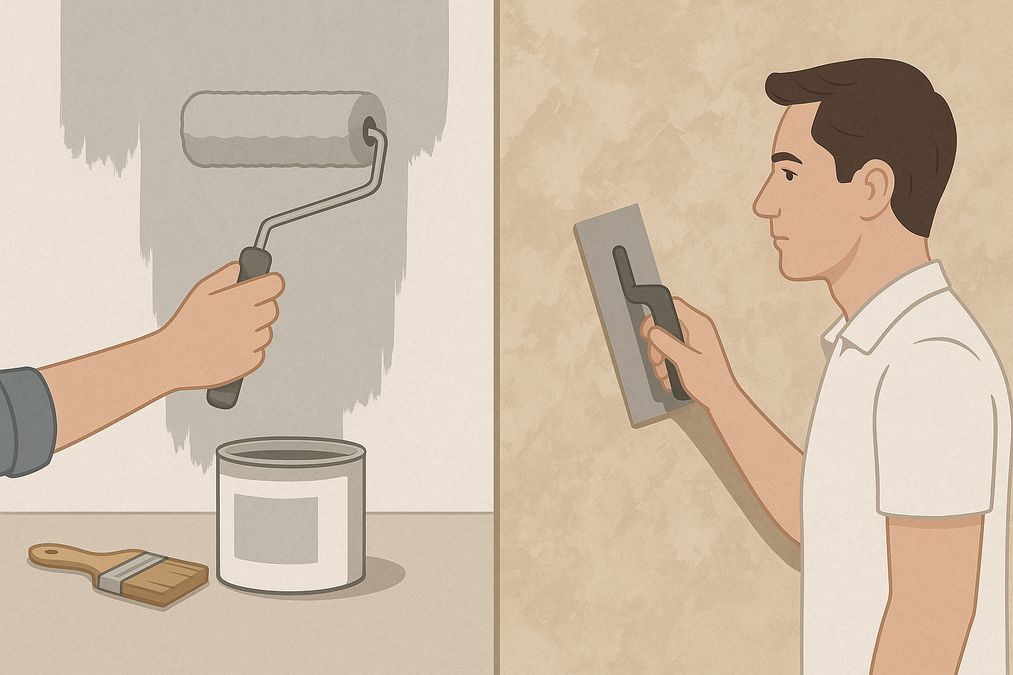
Decorating a wall is no longer a simple colour swap—Toronto homeowners, business owners, and designers seek distinctive finishes to set their interiors apart. With the rise of both DIY paint kits and access to professional decorative finishes, the question many clients are asking in 2026 is: should you go DIY or hire a pro for […]