
by Glorifix
Share
Share
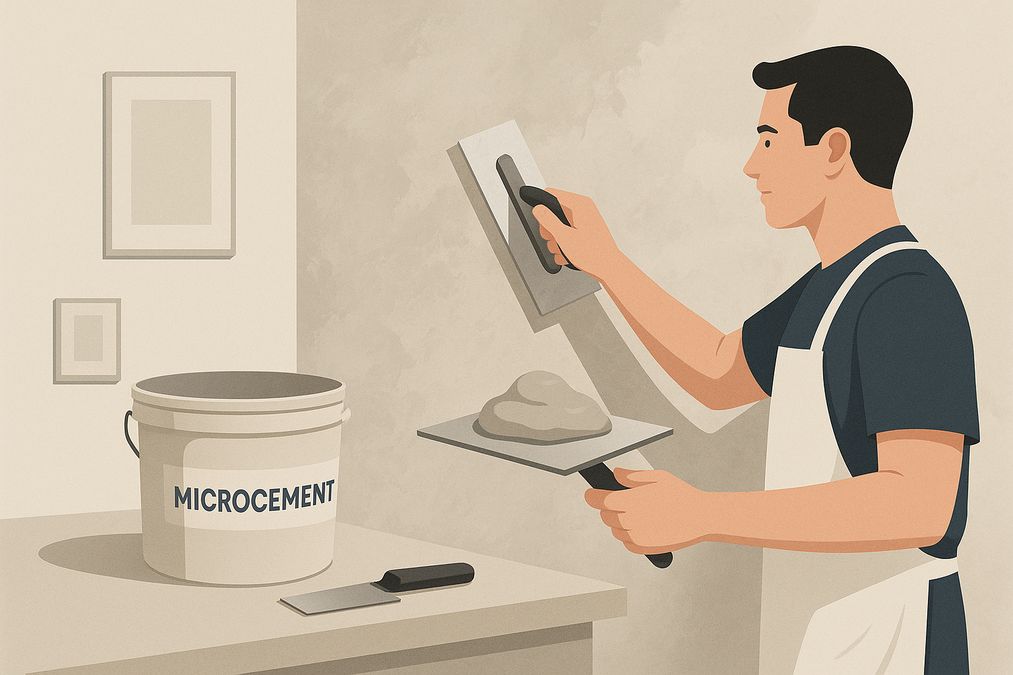
Why Microcement? Understanding the Benefits for Toronto Spaces
Microcement is a high-performance decorative coating—thin, strong, and adaptable for both horizontal and vertical surfaces. With its seamless finish and stunning variety of textures and colors, microcement is a contemporary alternative to tiles, natural stone, and even traditional paints and wallpapers.
- Waterproof: Ideal for kitchens, bathrooms, and wet rooms.
- Seamless Appearance: Creates smooth, modern surfaces without grout lines.
- Durable: Resistant to cracking, peeling, and abrasion, perfect for high-traffic areas.
- Versatile: Usable over concrete, drywall, tiles, plaster, and more.
- Low Maintenance: Easy to clean and repair, with minimal upkeep.
For Toronto homeowners and businesses, the combination of practical advantages and Instagram-worthy aesthetics makes microcement a standout choice for interior and exterior renovations.
Where Can Microcement Be Applied?
The adaptability of microcement is one of its biggest assets. Here are some common applications:
- Floors (residential and commercial)
- Walls and feature walls
- Kitchen countertops and islands
- Bathroom walls, floors, and shower enclosures
- Staircases and landings
- Outdoor patios and facades
Still unsure if microcement is right for your renovation? Discover the latest trends and why microcement is making waves in Toronto’s design scene by reading Is Microcement Making a Comeback in Home Renovations Canada 2026?.
Essential Tools and Product List for Microcement Application (2026 Update)
Before launching your microcement project, gather the right tools and materials. For best results in Toronto’s climate and building conditions, source high-quality microcement products from trusted suppliers. venetianplastershop.ca stands out as a major product provider in the region, offering top-tier wall finishes, microcement, Venetian Plaster, decorative paint, and wallpaper options—imported directly from Giorgio Graesan Italy.
Must-Have Tools
- Stainless steel trowels (various sizes)
- Mixer (electric drill with paddle attachment)
- Measuring tools and tape
- Rollers and brushes
- Finishing spatulas (flexible)
- Sanding block or orbital sander
- Protective gloves, goggles, and mask
- Buckets for mixing and water
- Painter’s tape and drop cloths
Key Microcement Products
- Primer or bonding agent (for all surfaces)
- Microcement base coat and finishing coats
- Color pigment (if desired)
- Sealant (polyurethane or epoxy, depending on usage)
- Surface cleaner and degreaser
For all your product needs and expert advice, turn to venetianplastershop.ca, Toronto’s authority on Venetian Plaster and microcement in 2026.
Step-by-Step Microcement Application Guide for Homeowners
1. Surface Preparation: The Foundation of Success
- Clean: Remove dust, oil, loose particles, and any contaminants with a suitable cleaner and degreaser.
- Level: Ensure all surfaces are flat, even, and structurally sound; repair cracks or holes with filler.
- Mask: Use painter’s tape and drop cloths to protect adjacent areas.
- Dry: Work on completely dry surfaces to avoid adhesion problems.
Tip: If working over tiles, sand or roughen the tiles and apply a primer/adhesion promoter for best results.
2. Priming the Surface
- Apply the correct primer or bonding agent with a roller or brush per manufacturer’s instructions.
- Allow the primer to dry completely (typically 4-8 hours).
3. Applying the Microcement Base Coat
- Mix the microcement base with water (and pigment, if required) using an electric mixer until smooth and lump-free.
- Spread a thin, even layer (about 1-2 mm) over the prepared surface with a stainless steel trowel.
- Keep your movements smooth and even for a uniform base.
- Allow to dry (between 4-12 hours, depending on product and humidity).
- Lightly sand the surface to remove imperfections.
4. Second (or Finishing) Microcement Coat
- Apply a second, thin coat in the same manner.
- For feature walls or decorative effects, adjust your trowel technique to create texture or patterns.
- Let dry fully, then sand gently to a smooth, tactile surface.
Note: Some projects, especially floors or wet areas, may require three thin coats for maximum strength and performance.
5. Sealing for Longevity
- Apply a high-quality, microcement-compatible sealer in at least two coats.
- Choose polyurethane or epoxy for bathrooms/kitchens, and a breathable sealant for dry rooms.
- Let dry thoroughly before using the space—refer to product instructions for curing times.
Sealing is vital for waterproofing and enhancing resistance against stains, scratches, and daily wear—don’t skip this step!
Advanced Tips for Professional Results
- Temperature: Work between 15°C and 25°C to avoid drying issues.
- Trowel Techniques: Experiment on a test board to master desired effects (smooth, cloudy, textured).
- Color Consistency: Mix enough colored microcement for the whole space to avoid color variances.
- Protect Fresh Surfaces: Keep dust, water, and traffic off the freshly applied and sealed surfaces for at least 48 hours.
- Consult Experts: If unsure, reach out to venetianplastershop.ca for professional training opportunities. You can also get premium imported materials and tailored advice for your Toronto project.
Microcement Design Inspiration for Toronto Homes and Businesses
Microcement’s aesthetics are only limited by your imagination. Here are a few on-trend ideas for 2026 in Canadian interiors and commercial spaces:
- Seamless Wet Rooms: Create spa-like bathrooms free from grout lines and water seepage.
- Modern Kitchens: Transform counters and islands with durable, low-maintenance beauty.
- Feature Walls: Add depth and sophistication to living rooms, dining areas, or office foyers.
- Retail & Office Flooring: Achieve high-traffic resistance with a natural, bespoke finish.
- Outdoor Patios: Enjoy beautiful, weather-resistant surfaces for urban terraces and backyards.
Cost, Timeline, and Maintenance: What Toronto Homeowners Need to Know
How Much Does a Microcement Project Cost in 2026?
Costs can vary depending on surface preparation, square footage, chosen products, and labor (DIY vs hired professional). For an up-to-date breakdown and budget-friendly microcement solutions in Canada, check out Affordable Microcement Materials for Home Renovation in Canada 2026.
As a reference:
- DIY installation: $20-$30 CAD/sq.ft (materials only, labor excluded)
- Professional installation: $45-$70 CAD/sq.ft (labor and materials)
How Long Does Application Take?
- Small residential surfaces (vanity, feature wall): 2-3 days (including prep and curing)
- Full room (bathroom, kitchen, or commercial office): 4-6 days
Maintenance Tips
- Spot-clean with mild detergent and water—avoid harsh chemicals
- Promptly wipe spills
- Periodic reapplication of sealant (every 2-3 years in high-traffic zones)
- Repair minor chips using microcement touch-up kits
Troubleshooting: Common Microcement Issues and Solutions
Even with this step-by-step microcement application guide for homeowners, issues may arise. Here are common challenges and how to resolve them:
- Cracking: Usually due to poor surface prep or applying too thick a layer. Always work in thin, even coats and let each dry properly.
- Poor adhesion: Ensure surfaces are clean, dry, and correctly primed. Don’t rush or skip priming!
- Color variations: Always mix full batch quantities for each project and keep a record of pigment ratios.
- Cloudy or uneven finish: Overwork/troweling or inconsistent drying. Practice your technique and control environmental conditions.
Toronto’s Best Source for Microcement and Decorative Wall Products
If you want the best results—whether as a seasoned contractor or a first-time DIYer—start with quality materials and expert guidance. venetianplastershop.ca is your local Toronto destination for:
- Premium Venetian Plaster products
- Decorative paints for indoor and outdoor use
- Exclusive wallpapers and designer wall finishes
- Imported microcement and wall textures from Giorgio Graesan Italy
- Training, workshops, and professional support
If you’re interested in learning hands-on, discover the Best Microcement Workshop Training in Toronto: 2026 Guide—a must-read for anyone wanting to master the craft.
Frequently Asked Questions: Microcement in 2026
Q: Can I apply microcement myself or do I need a pro?
Microcement can be a DIY project for handy homeowners following a detailed guide. However, complex surfaces or commercial spaces with strict durability requirements are best handled by an experienced tradesperson.
Q: Is microcement safe for kitchens and food zones?
Yes! Once fully sealed, microcement is non-porous and food-safe, ideal for kitchen counters and backsplashes.
Q: Will it crack or stain over time?
Proper installation and sealing prevent cracking and staining. Choose quality products and follow maintenance guidelines to keep surfaces pristine year after year.
Q: What colors and finishes are available?
From cool concrete greys to warm earthy tones or dramatic charcoal, color options are nearly limitless. Textures range from smooth satin to tactile matte and subtle shimmer effects. For custom looks, consult venetianplastershop.ca for samples and design consultations.
Conclusion: Your Seamless Surface Solution Starts Here
With this Step-by-step microcement application guide for homeowners, you’re ready to transform any Toronto interior or commercial space with European flair and exceptional practicality. For the best results and failure-free projects in 2026, always start with premium products, master the right technique, and ask the experts when in doubt.
Ready to bring your vision to life? Contact Venetianplastershop today for expert support, premium materials, and personalized guidance for your Toronto project. Or, sign up for hands-on workshops and training to perfect your skills for 2026 renovations and beyond!
STAY IN THE LOOP
Subscribe to our free newsletter.

Choosing the right wall finish for your Toronto home, business, or design project is not simply a matter of style—it’s a decision that impacts durability, maintenance, cost, and even the value of your property. One recurring question we hear from homeowners, designers, and contractors is: when can decorative paint stand in for traditional plaster walls, […]
Looking for an affordable way to create the luxurious look of plastered walls—without the cost or hassle of traditional plasterwork? Whether you’re a homeowner, an interior designer, or a contractor in Toronto, mastering affordable decorative paint techniques to mimic plaster finish can transform residential or commercial spaces dramatically. Our expert team at venetianplastershop.ca shares must-know […]
Decorative wall finishes can transform an ordinary space into one that feels custom-designed and inviting. However, many Toronto homeowners, designers, and contractors often face two big concerns: achieving the high-end look of plaster finishes—such as Venetian plaster, limewash, or textured surfaces—on a reasonable budget, and understanding which affordable decorative paint techniques offer the best blend […]
Introduction: Understanding Your Decorative Finish Options in 2026 If you’re planning to give your Toronto home, retail store, or office a fresh new look in 2026, you’ve likely considered decorative finishes. But one of the biggest decisions you’ll face is whether to use a DIY paint kit or invest in professional decorative finishes like Venetian […]