
by Glorifix
Share
Share
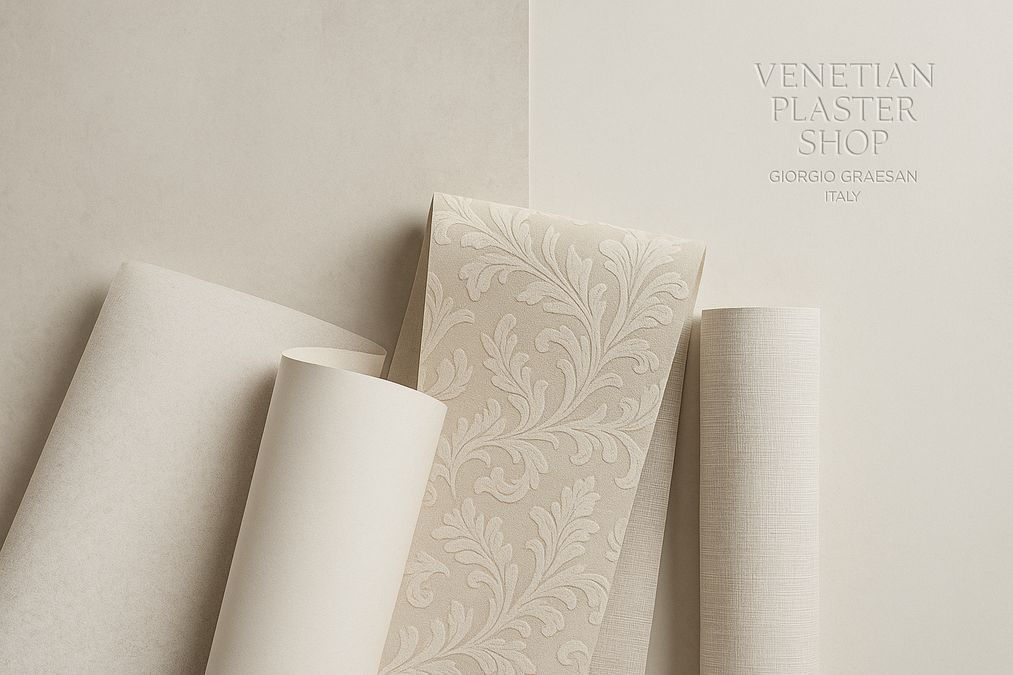
In this article, we’ll share hands-on insights from years of helping Toronto clients select, install, and maintain beautiful wall finishes. You’ll learn which materials hold up best in real-life projects, what causes yellowing, what to avoid, and which alternatives offer superior durability—so you can create lasting interiors with confidence.
Wallpaper Yellowing: Why It Happens & Why It Matters
Yellowing is a common frustration, especially in sunny spaces, kitchens, or homes with older wallpaper. In our experience, the most common causes for wallpaper yellowing in the Toronto climate include:
- Poor-quality materials: Low-cost vinyl or paper-based wallpapers often contain fillers or plasticizers that discolour with UV exposure.
- Improper adhesives: Cheap, oil-based glues can seep through and stain the wallpaper surface, especially with humidity and temperature fluctuations.
- Moisture and humidity: Bathrooms, kitchens, and basements are especially prone to yellowing unless the material and installation method are carefully chosen.
- Sunlight exposure: South-facing rooms or large windows increase UV degradation, affecting both natural and synthetic wallcoverings.
We’re often asked, “Is yellowing preventable everywhere?” With the right products and proper planning—yes, in most Toronto interiors. However, the longevity and appearance are always influenced by product selection, application skill, and ongoing maintenance.
Choosing the Best Wallpaper Materials to Avoid Yellowing Over Time (2026)
When guiding clients, we always start with two questions: What is the room’s function, and how much maintenance are you prepared for? Some wallpaper types offer gorgeous texture but require vigilance, while others offer impressive resilience—even in direct sunlight or humid conditions.
Top Wallpaper Materials That Resist Yellowing
- High-Performance Vinyl: Modern, non-PVC, phthalate-free vinyl wallpapers are durable, waterproof, and highly UV-resistant. They are excellent choices for kitchens, bathrooms, and commercial settings. However, always check for warranty coverage against yellowing in the Canadian climate.
- Non-Woven Wallpapers: These combine synthetic and natural fibres (like cellulose and polyester), resulting in dimensionally stable, breathable, and washable wallcoverings. Non-wovens are often the go-to for busy households and high-traffic spaces.
- Premium Textile-Faced Wallpapers: Grasscloth, linen, and silk papers crafted with modern, fade-resistant dyes and stabilized backings offer designer texture plus surprising longevity when sourced from reputable brands. Learn which grasscloth and linen wallpapers excel in Toronto homes for detailed product recommendations.
- Specialty Washable Coated Papers: Modern washable wallpapers employ acrylic or water-based coatings that protect against stains without yellowing, especially in light, neutral colours.
- Fibre Glass Wallcoverings: Increasingly found in high-end renovations, glass fibre wallpapers are extremely stable, moisture-resistant, and virtually immune to yellowing. They’re ideal for hospitals, hotels, and luxury retail installations.
Wallpaper Materials Pros, Cons & Real-Life Suitability
| Material Type | Durability | Yellowing Resistance | Installation Difficulty | Best Applications | Downsides |
|---|---|---|---|---|---|
| High-Performance Vinyl | Very High | Excellent | Easy (for pros) | Bathrooms, Kitchens, Hallways | Some lack texture, can be less eco-friendly |
| Non-Woven | High | Very Good | Easy DIY | Living Rooms, Bedrooms, Offices | Occasionally lacks true luxury texture |
| Grasscloth/Linen (premium only) | Moderate | Good (premium only) | Difficult | Feature Walls, Statement Rooms | Staining from spills, higher professional install costs |
| Fibre Glass | Exceptional | Excellent | Professional-only | Commercial/Retail, Hospitality, High-traffic homes | High cost, fewer design options |
| Washable Coated Paper | Moderate | Good | Medium | Kids’ Rooms, Offices | Can feel less tactile, avoid low-quality brands |
What to Avoid If Yellowing Is a Concern
One of the most common mistakes Toronto homeowners make is choosing low-cost, unbranded wallpapers or opting for outdated PVC vinyls that are prone to plasticizer migration—leading to yellowing and cracking over time.
- Avoid bargain rolls with generic or unclear material origins—the price savings rarely compensate for the cost of premature replacement.
- Beware paper-based wallpapers in damp areas: These absorb humidity and are typically the first to yellow, especially if paired with cheap adhesives.
- Be cautious with peel-and-stick products: While popular for DIY, many inexpensive peel-and-stick wallpapers can discolour if exposed to ongoing sunlight or warmth from radiators/heating systems.
When in doubt, request product data sheets from your supplier or ask a specialist, like our team at venetianplastershop.ca, about long-term performance.
How Professionals Minimize Wallpaper Yellowing in 2026 Projects
Our experience as decorative wall finish specialists has shown that prevention is a blend of material selection, installation expertise, and tailored advice based on Toronto conditions.
Key Professional Tips
- Specify UV-resistant products: If sunlight is anticipated, we always recommend professional-grade wallcoverings with documented fade and yellowing performance.
- Choose high-quality, pH-neutral adhesives: These resist migration and reduce future staining. Oil- or solvent-based adhesives are rarely suitable for residential use.
- Order from reputable suppliers: We work closely with Giorgio Graesan Italy and other top brands, ensuring product authenticity and performance details are transparent.
- Schedule installation in climate-controlled periods: Toronto’s humidity spikes (particularly in summer) require cautious timing to prevent glue-related yellowing or warping.
- Finish edges and seams properly: This is often overlooked in DIY installations. Poorly sealed seams allow moisture ingress and adhesive exposure, leading to edge yellowing.
Room-by-Room Material Recommendations (Toronto, 2026)
Living Areas
- Non-woven or premium linen wallpapers offer a blend of durability and style for family rooms, dining, and lounge areas.
- Pair with decorative paints or metallic finishes for feature walls that contrast in sheen and texture.
Kitchens & Bathrooms
- Opt for high-performance vinyl or specialist glass fibre wallpapers only. Avoid paper-based products entirely.
- Consider Venetian plaster or decorative plaster finishes for splash zones—they’re naturally water-resistant and can be wiped clean.
Bedrooms
- Non-woven, textile, or washable coated papers are excellent for headboards, accent walls, or full rooms—so long as light exposure is moderate.
- Luxury grasscloth can be used for dramatic statements but is best reserved for low-touch, formal settings.
Commercial Spaces and Offices
- Ask about contract-grade vinyl and fibre glass wallcoverings for optimal performance, especially in retail, hospitality, and open-plan workplaces.
- Many businesses combine designer wallpapers with decorative plasters for zoning and branded feature walls.
Wallpaper vs Alternative Wall Finishes: What to Consider
“Should I use wallpaper, decorative paint, or Venetian plaster?” This is a common question in our consultations here in Toronto. While the best wallpaper materials to avoid yellowing over time in 2026 can deliver modern style and easy updates, there are situations where an alternative wall finish may be the better investment.
| Finish Type | Durability/Longevity | Yellowing Risk | Maintenance | Ideal Use |
|---|---|---|---|---|
| Wallpaper | 5-10 years (premium up to 15+) |
Moderate to Low (with proper selection) |
Wipeable/washable in most cases | Most residential, retail, and office spaces |
| Decorative Paint | 10+ years | Very Low | Easy touch-up/refinishing | Feature walls, ceilings, creative spaces |
| Venetian Plaster | 20+ years | None | Minimal (occasional re-burnishing) | Kitchens, bathrooms, luxury spaces |
For customers prioritizing a truly maintenance-free, non-yellowing solution—especially in demanding environments—a premium Venetian plaster or mineral-based decorative paint is often our top recommendation. But when easy pattern changes and rich textures are the goal, modern wallpapers (especially non-woven and vinyl) remain highly competitive, provided you avoid low-end options.
Essential Buying & Planning Advice: What Most People Miss
- Order extra for repairs: Many wallpapers have batch-specific colours. Ordering a surplus roll prevents visible patchwork if you ever need to replace a section.
- Carefully inspect your substrate: Stains, nicotine, and even minor wall damage can telegraph through light-coloured wallcoverings, accelerating visible yellowing. Always prime with a stain-blocking primer, or consult an expert for substrate prep.
- Room orientation matters: South and west-facing rooms experience far more sun and UV—use caution with all-natural or lightly coloured textiles here.
- Professional installation outweighs DIY savings: Many yellowing and seam issues we see are due to hurried or inexperienced application. For long-term performance, skilled installation is essential.
Designer Tips: Styling for Longevity in 2026
From a design perspective, the “best” wallpaper is one that complements your architecture and lifestyle—while being practical in Toronto’s climate. Here are some additional tips from our projects:
- Choose mid-to-dark hues or patterned wallpapers in high-touch or sunny spaces; these better disguise gradual discolouration, even if it occurs.
- Mix textures: Pairing a resilient, washable wallpaper on main walls with Venetian plaster or limewash on accent zones creates dynamic, layered effects—and strategic durability.
- Modulate lighting: Harsh direct sunlight accelerates fading and yellowing. We often advise customers to add sheers, UV film, or low-iron glass to protect investments in wallpaper and furnishings.
For those exploring statement textures, don’t miss our expert guide: Discover the most durable wallpaper types for Toronto homes.
Maintenance Tips to Prolong Wallpaper Colour & Life
- Dust regularly using a dry microfiber cloth or vacuum with a soft brush attachment—avoid excessive wiping of natural/textile wallcoverings, but regular dusting prevents dirt and oil buildup that can attract staining.
- Clean gently with a lightly dampened cloth (avoid abrasive scrubbers). Test in an inconspicuous area first.
- Address moisture fast: In case of water exposure (leaks or spills), use fans to dry the area and inspect for adhesive breakdown or seam lift.
- Touch-up as needed: Keep spare wallpaper in a dry, dark place; for minor damage or early yellowing, spot-replacement is much easier with product on hand.
FAQs: Best Materials to Prevent Wallpaper Yellowing (2026)
Q: Is it worth investing in premium wallpaper materials in Toronto?
A: Absolutely. In our experience, paying more upfront for established brands and verified installers saves thousands down the road in replacement costs. Yellowing, bubbling, and seam failure are much more common with mass-market, generic wallpapers.
Q: How do I know if a wallpaper is UV-resistant?
A: Always check for manufacturer documentation and warranty. Our showroom can provide certified samples and detailed performance specifications.
Q: What’s the best choice for condos and new builds?
A: Non-woven wallpapers are ideal—easy to install, highly breathable, and available in a huge range of styles. For lobby and corridor walls, contract vinyl or fibre glass wallcoverings hold up best to cleaning and sunlight.
Q: Where can I get installation training or hands-on workshops?
A: We offer regular workshops and pro training sessions for homeowners and industry professionals—perfect for those new to wallcovering installation or wanting to expand their expertise.
How to Choose the Best Fit: Your Home, Your Style, Your Needs
Every project is unique. A consultation helps match not just the right product, but the best installation method, budget, and design. Our 2026 guide to choosing durable wallpaper breaks this process down step by step, covering everything from lighting to maintenance planning.
Conclusion: Finding the Best Wallpaper Materials to Avoid Yellowing Over Time in 2026
In Toronto’s evolving market, the quest for wallpapers that won’t yellow is rooted in practical decisions—not just design trends. In summary:
- Choose premium non-woven, textile, or specialty vinyl/fibre glass products.
- Work with reputable suppliers like venetianplastershop.ca, who offer authentic, high-quality finishes from Giorgio Graesan Italy and other top brands.
- Always pair great materials with skilled, professional installation.
- If room conditions aren’t ideal, consider alternatives like Venetian plaster or decorative paints for a resilient, elegant result.
Have questions or want help planning your next wallpaper, paint, or plaster project? Contact the decorative wall specialists at Venetianplastershop today for expert advice and showroom samples—so your Toronto home or business can look its best for years to come.
P.S. Interested in learning hands-on? Sign up for our latest Venetian plastering and wallpaper workshops for homeowners, contractors, and designers!
STAY IN THE LOOP
Subscribe to our free newsletter.
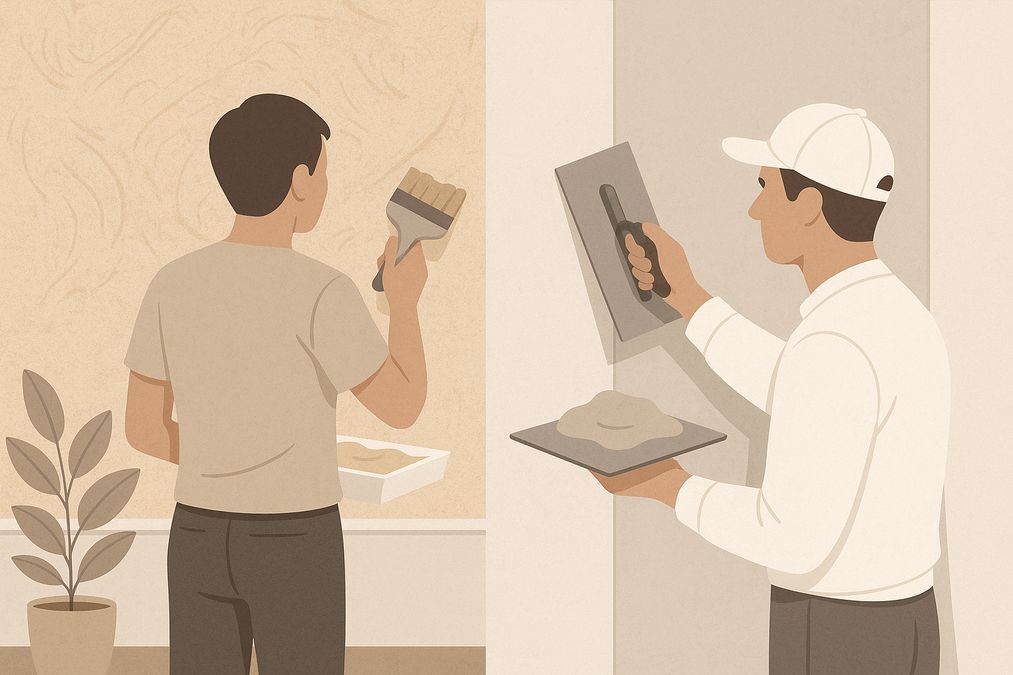
Choosing the right wall finish for your Toronto home, business, or design project is not simply a matter of style—it’s a decision that impacts durability, maintenance, cost, and even the value of your property. One recurring question we hear from homeowners, designers, and contractors is: when can decorative paint stand in for traditional plaster walls, […]
Looking for an affordable way to create the luxurious look of plastered walls—without the cost or hassle of traditional plasterwork? Whether you’re a homeowner, an interior designer, or a contractor in Toronto, mastering affordable decorative paint techniques to mimic plaster finish can transform residential or commercial spaces dramatically. Our expert team at venetianplastershop.ca shares must-know […]
Decorative wall finishes can transform an ordinary space into one that feels custom-designed and inviting. However, many Toronto homeowners, designers, and contractors often face two big concerns: achieving the high-end look of plaster finishes—such as Venetian plaster, limewash, or textured surfaces—on a reasonable budget, and understanding which affordable decorative paint techniques offer the best blend […]
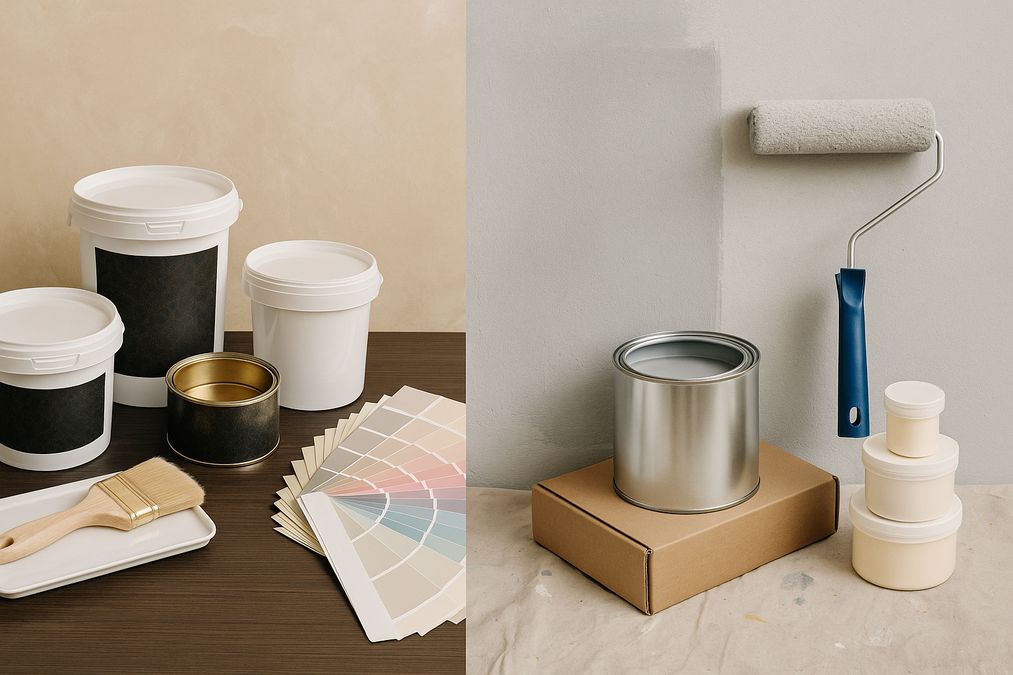
Introduction: Understanding Your Decorative Finish Options in 2026 If you’re planning to give your Toronto home, retail store, or office a fresh new look in 2026, you’ve likely considered decorative finishes. But one of the biggest decisions you’ll face is whether to use a DIY paint kit or invest in professional decorative finishes like Venetian […]