
by Glorifix
Share
Share
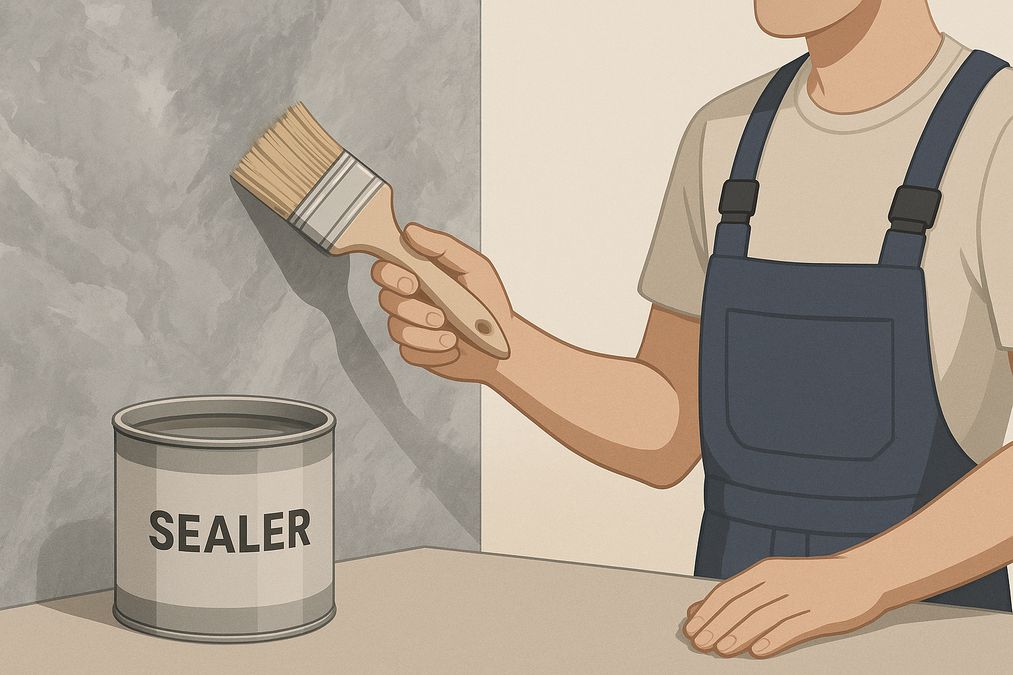
Understanding Decorative Paints: More Than Colour
Decorative paints are a broad category, ranging from classic matte paints to artisanal finishes such as Venetian plaster, metallics, pearlescents, textured and limewash effects. In our experience at venetianplastershop.ca, the selection of decorative paint is typically influenced by design goals, room function, and practical requirements—much more than simply choosing a trendy colour.
- Venetian plaster delivers a marble-like depth using natural lime-based materials.
- Metallic and pearlescent paints add shimmer, perfect for feature walls.
- Limewash and matte paints provide softness and subtle texture.
- Textured and specialty coatings create unique tactile surfaces.
Each comes with unique requirements for installation, maintenance, and, critically, durability.
Why Some Decorative Paints Require Sealing for Durability
Sealing is often essential for maximizing longevity, cleanability, and the protective qualities of decorative wall finishes. Here’s why expert professionals insist on this extra step:
1. Porous Surfaces and Stain Risks
Many decorative paints are naturally porous (especially lime, clay, plaster, and matte finishes). This means they absorb spills, dirt, and even airborne particles much more readily than standard paint. Unsealed, these surfaces can show stains or watermarks that are almost impossible to clean without damaging the finish.
2. Moisture and Humidity in Toronto Homes
Our city’s climate—dry winters, humid summers—can cause moisture to penetrate walls, especially in kitchens, bathrooms, entryways or commercial spaces with lots of traffic. Sealing acts as a barrier against water, preventing peeling, blistering, or fungal growth underneath the decorative layer.
3. High-Traffic and Commercial Applications
In high-traffic spaces, frequent touching, cleaning, and even abrasion (think: retail, offices, restaurants, hallways) quickly wear down an unsealed decorative surface. As professionals, we always assess intended use—if in doubt, a sealant is the safest route for maintaining beauty under strain.
4. Enhancing Depth, Sheen, and Washability
Some finishes appear chalky or flat when unsealed, while sealing can deepen colour, add a subtle sheen, and make future cleaning easy and safe—even on delicate effects like metallics, suede, or mother-of-pearl.
Popular Decorative Paints & Their Sealing Requirements
Below is our practical summary for Toronto-based projects—insights that come from countless customer consultations and real-life installations:
| Finish Type | Sealing Recommended? | When/Ways to Apply |
|---|---|---|
| Venetian Plaster (natural, lime-based) | Usually, yes | Natural, breathable wax for living rooms/bedrooms; stronger sealants for kitchens and bathrooms |
| Textured Finishes (e.g. sand, trowel-on) | Yes, especially on accent walls or commercial spaces | Sealer enhances pattern, prevents dust trapping |
| Metallic Paints & Pearlescents (see options) | Often, yes | Protects delicate brilliance and prevents tarnishing or rubbing off |
| Matte/Chalk/Limewash Paints | Yes, unless desired patina is the goal | Adds washability and prevents oily stains |
| Standard Latex or Acrylic Paints | Usually not required | High-quality paints designed for durability alone |
Expert Answers: Common Customer Questions on Sealing
As a specialty supplier, we hear a wide range of questions from Toronto homeowners, contractors and designers. Here are some of the most frequent—along with our best advice:
“Do I really need to seal my decorative walls?”
If your paint is porous, delicate, or installed in a high-traffic/moisture-prone area, sealing is highly recommended. Many customers are surprised to learn that some of the most beautiful finishes are also the most vulnerable to everyday wear.
“Will sealing change the look or feel of my walls?”
In most cases, sealers are chosen to be nearly invisible—but note that certain waxes or water-based sealants can subtly intensify colour, sheen, or emphasize texture. Always test a small area or consult a professional.
“Can I apply sealants myself?”
DIY-friendly for small spaces and select finishes, but professional application guarantees even coverage, proper compatibility and no streaking—especially important for large walls, intricate troweled plasters or high-sheen specialty products.
For deeper insights into common concerns, see Common Decorative Paint Questions Answered for Toronto Homeowners.
Choosing the Right Sealant: What Pros Recommend
There’s no universal solution—matching the right sealer to your product and room matters. Here are some expert tips:
- Wax Sealants: Classic for Venetian plaster; leaves a soft lustre and retains breathability.
- Acrylic Sealers: Good for most decorative paints, including metallics and limewash. They increase washability but may add sheen.
- Water-based Topcoats: Best for areas needing daily cleaning; less chemical smell during application.
- Oil-based or Polyurethane: Rarely used for interior walls, but effective for high-abuse commercial spaces or stairs.
One of the most common mistakes homeowners make is picking an incompatible sealer, resulting in peeling, yellowing, or texture change. If unsure, bring your product details to a trusted supplier for advice.
When is Sealing Unnecessary?
Not all situations call for a sealant. For example:
- Rooms with minimal traffic and indirect sunlight
- Feature walls above reach, where risk of scuffs is low
- Pre-sealed or specialty paints designed for maximum durability
In low-risk areas, skipping sealing can preserve the velvety finish that makes some decorative products so appealing. But always weigh this against cleaning needs and local conditions—Toronto’s fluctuating humidity can surprise even seasoned renovators.
Comparing Decorative Paint and Wallpaper: Sealant Considerations
| Decorative Paint (with/without sealing) | Wallpaper | |
|---|---|---|
| Durability* | High if sealed; lower if unsealed, especially in busy spaces | Very durable; depends on material/quality |
| Cleanability | Excellent when sealed; delicate if unsealed | Varying—washable types excel |
| Installation Difficulty | Varies; some finishes DIY-friendly, others require specialty tools | Professional installation advised for premium looks, pattern match |
| Cost (typical project) | Mid to high (depends on labour and sealer) | Mid to high (material plus installation) |
| Ideal Applications | Accent walls, feature ceilings, commercial foyers | Bedrooms, offices, retail, powder rooms |
*For the most rugged finish, pro-installed, sealed Venetian plaster is the market standard in upscale Toronto homes and shops. Learn more about modern wallpaper options in our wallpaper selection.
Sealing Decorative Paints: Maintenance and Cleaning Insights
Once properly sealed, decorative finishes can be maintained with a soft, damp cloth and gentle, non-abrasive cleaners. Unsealed or poorly sealed walls often suffer permanent damage from an overzealous scrub. This is especially important in homes with kids, pets, or allergy concerns—an investment in sealing pays back over many years.
Cost and Budgeting for Sealing in Toronto (2026)
In planning a project, many clients underestimate the impact of sealant quality and application cost. For realistic Toronto numbers in 2026, sealant (including labour) typically adds:
- 15-35% to material cost—depending on specialty product, area size, and finish complexity
- DIY sealing is possible for small rooms (saves labour), but high-end results require skill
However, the cost of resealing or repainting due to skipping this step is far higher. Our advice: invest once, enjoy for years. For a list of trusted sources, see Best Stores for Decorative Paint in Toronto 2026: Top Picks & Guide.
Where to Buy Quality Decorative Paints and Sealers in Toronto
Choosing professional-grade products is the foundation for achieving beautiful, durable results. At venetianplastershop.ca, we supply decorative paints, Venetian plaster, wallpapers, and protective sealers—all sourced directly from top brands such as Giorgio Graesan Italy. We provide in-person consultations and samples for Toronto homeowners, designers and contractors.
If you’re searching for high-end colorants and sealers, find more details in Where to Find High-Quality Decorative Paint in Toronto Canada.
Expert Installation and Professional Workshop Training
Sealing is just one step in the decorative finish journey—proper installation makes all the difference. We regularly provide practical advice on prepping, priming, and working with special finishes, both for professional installers and passionate DIYers. For hands-on training in the latest application techniques—including sealing—join one of our upcoming Venetian plastering workshops in Toronto.
Conclusion: Making the Right Choices for Lasting Beauty
Understanding why certain decorative paints require sealing for durability is key to successful decorating in Toronto’s demanding climate and environments. We recommend always considering the finish, room use, likelihood of impact or moisture, and your preference for maintenance over time. When in doubt, consult a local specialist who knows which products and techniques actually work best in the field.
Ready to start or need tailored advice for your project? Contact Venetian Plaster Shop today for personalized recommendations, samples, or to schedule a design consultation. Let us help you protect your investment for years of beautiful, worry-free walls.
STAY IN THE LOOP
Subscribe to our free newsletter.

Choosing the right wall finish for your Toronto home, business, or design project is not simply a matter of style—it’s a decision that impacts durability, maintenance, cost, and even the value of your property. One recurring question we hear from homeowners, designers, and contractors is: when can decorative paint stand in for traditional plaster walls, […]
Looking for an affordable way to create the luxurious look of plastered walls—without the cost or hassle of traditional plasterwork? Whether you’re a homeowner, an interior designer, or a contractor in Toronto, mastering affordable decorative paint techniques to mimic plaster finish can transform residential or commercial spaces dramatically. Our expert team at venetianplastershop.ca shares must-know […]
Decorative wall finishes can transform an ordinary space into one that feels custom-designed and inviting. However, many Toronto homeowners, designers, and contractors often face two big concerns: achieving the high-end look of plaster finishes—such as Venetian plaster, limewash, or textured surfaces—on a reasonable budget, and understanding which affordable decorative paint techniques offer the best blend […]
Introduction: Understanding Your Decorative Finish Options in 2026 If you’re planning to give your Toronto home, retail store, or office a fresh new look in 2026, you’ve likely considered decorative finishes. But one of the biggest decisions you’ll face is whether to use a DIY paint kit or invest in professional decorative finishes like Venetian […]