
by Glorifix
Share
Share
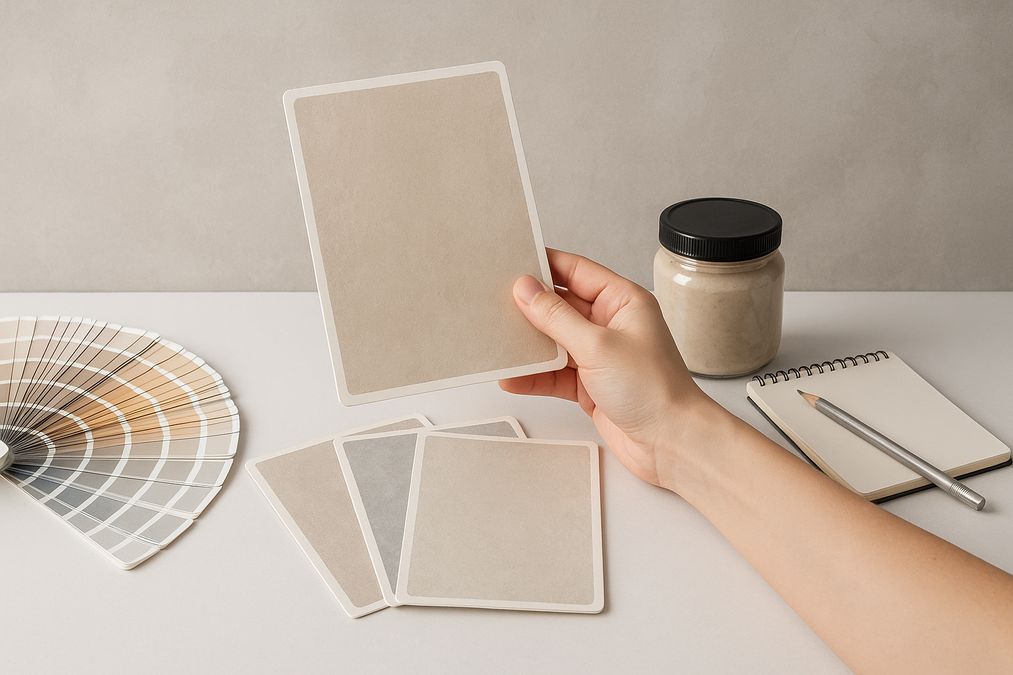
Why Proper Sample Evaluation Matters for Toronto Interiors
Applying decorative paint is more than just picking a colour. From Venetian plaster to metallic and textured finishes, products can vary dramatically in:
- Colour accuracy under different lighting
- Final sheen and depth of texture
- Compatibility with substrates (e.g., drywall, plaster, MDF, brick)
- Durability in busy homes, humid kitchens, or bustling retail spaces
- Ease of touch-ups and cleaning
One of the most common mistakes homeowners make is skipping the sample process or applying samples ineffectively. Many customers are surprised to learn that even professional-quality paints from leading suppliers like venetianplastershop.ca, which carries Giorgio Graesan’s decorative finishes, should always be sampled on-site before major projects begin.
Planning Your Decorative Paint Sampling Approach
In our experience, the most successful paint projects in Toronto start with thoughtful planning:
- Define the room’s purpose: A bustling lobby needs a finish that hides wear, while a bedroom may be suited to softer, tactile finishes.
- Assess existing lighting: North-facing rooms can cool down colours; south exposure may intensify warmth or sheen.
- Identify architectural features: Samples should be placed near features like trim, built-ins, or adjoining finishes for accurate pairing.
- Set a realistic timeline: Remember that some products (like Venetian plaster or limewash) may require extra drying and curing time between sampling and final application.
The Best Methods to Evaluate Decorative Paint Samples Before Full Room Application
Based on years of working with Toronto clients, we recommend a practical, multi-step process to assess samples with confidence:
1. Order Authentic, Manufacturer-Supplied Samples
Always start with genuine samples—or small test pots—from reputable suppliers. Lower-quality or mismatched samples won’t truly represent the final product’s colour or texture. At venetianplastershop.ca, for instance, you can access exclusive Giorgio Graesan finishes not available at big-box stores.
2. Prepare Your Surfaces Like It’s the Real Thing
It’s essential to prep at least one section of your wall—patch, sand, and prime it as you will for the entire project. This ensures your test accurately reflects how the chosen decorative paint will adhere, finish, and cure.
- Pro tip: For textured finishes or Venetian plaster, apply samples over the same basecoat you’ll use at installation. Small changes in base can change the final effect.
3. Test Large Patches, Not Little Swatches
We often see customers painted into a corner (sometimes literally) by picking from small chips. Instead:
- Apply each decorative paint sample in a patch at least 2′ x 2′ (larger for commercial spaces)
- Test on multiple walls—ideally across corners, near windows, and in darker/lighter areas
- For specialty finishes, try different application techniques to see how trowel marks or brushwork appear in your lighting
This is especially true for feature walls, accent niches, or textured surfaces, where lighting and scale can dramatically alter the “feel” of the finished surface.
4. Observe Samples in Varying Light
Natural light in Toronto can fluctuate enormously with the seasons. What looks perfect on a summer afternoon might appear cool and flat in winter, or under LED lighting. Review your samples:
- Morning, midday, and evening
- Artificial and natural lighting
- With window coverings open and closed
Many customers are surprised to see shifts in hue or sheen they didn’t expect. For example, metallic paints can go from subtle shimmer to bold glare depending on angle and lighting temperature.
5. Assess Colour Pairing and Material Compatibility
Pair your samples with planned flooring, fabrics, woodwork, or wallpaper—especially if you’re considering an accent wall with wallpaper or a combination finish. When helping a client coordinate Venetian plaster with bold paint colours or textured wallpaper, we always sample them side by side in the installation area.
6. Evaluate Durability and Maintenance
In high-traffic areas or commercial settings, scrub your dried paint sample gently to test washability. For kitchen backsplashes or bathroom walls, it’s also wise to expose samples to a bit of moisture (using a damp cloth) to ensure the finish withstands typical use.
7. Seek Expert Input
If you’re unsure between finishes, consult professionals. At venetianplastershop.ca, our team routinely reviews client samples in person and discusses real-life installation concerns, including compatibility, longevity, and style goals. When in doubt, bring us photos of your samples in situ—our trained eye may catch details you missed.
What Experienced Professionals Recommend for Different Spaces
Not all decorative paint is suitable for every Toronto environment:
Homes and Condos
- Bedrooms, Living Rooms: Venetian plaster offers a soft, tactile finish; textural paints add depth without overwhelming. Muted metallics can add sophistication.
- Kitchens, Entryways: Opt for durable, scrubbable finishes with moisture resistance—typically found in higher-end decorative paints, not hardware-store brands. Learn more in our guide, Why Decorative Paint Costs More Than Hardware Store Paint.
- Feature Walls: Metallics, limewash, and Venetian plaster can each create unique focal points, especially paired with curated lighting.
Commercial Spaces
- Retail Stores, Offices: The best results come from paints with enhanced durability, washability, and colourfastness. Choose smooth or lightly textured finishes for spaces requiring professional presentation and easy cleaning.
- Restaurants, Cafes: Mural-style or patterned decorative paints can provide memorable experiences, but must be carefully sampled for both visual impact and cleanability.
Common Sampling Mistakes—and How to Avoid Them
- Testing on unprepared walls: Paint applied over dust, grease, or glossy old finishes may peel or cure incorrectly.
- Sampling too small: Tiny spots can mislead you about the finish’s true appearance, especially with dynamic finishes like metallics or textured paints.
- Ignoring lighting variations: Many homeowners only check samples at one time of day. Track changes as daylight moves and as accent lighting is used in the evening.
- Assuming ‘stock’ colours behave the same as custom mixes: Always sample the actual batch you plan to order, and verify with your installer or supplier.
- Not getting feedback: Input from designers, family, or team members can highlight issues you may have missed alone.
Comparing Decorative Paints, Venetian Plaster, and Wallpaper Sampling
| Finish Type | Sampling Method | Durability Test | Lighting Impact | Ease of Repair |
|---|---|---|---|---|
| Decorative Paint | Large wall patch, multiple areas | Good (scrub dried sample) | Variable (sheen, metallics react strongly) | Moderate |
| Venetian Plaster | Sample board or direct wall patch | Excellent (resistant, repairable by a pro) | High (texture, polish shift in light) | High (can spot repair) |
| Wallpaper | Temporary large sample panel | Good (wipeable options available) | Moderate (may fade, patterns shift under light) | Challenging (may need full replacement) |
For specialized wall projects, Venetian plaster often delivers superior depth and repairability, while decorative paints can be updated more easily if you like frequent design changes. For dramatic, easy-to-update looks, consider wallpapers—but always use large samples, as repeat patterns and texture can surprise even decorating veterans.
Tips from the Pros: Getting the Most from Your Paint Sampling Experience
- Budget accordingly: Factor in the cost of several trial pots or sample boards. Skimping at this stage can lead to expensive rework later.
- Be patient with specialty finishes: Venetian plaster, limewash, or multi-layer paints may need several days to cure before you can evaluate the true finished appearance.
- Keep a project journal: Record colours, brands, techniques, and your reactions in different light. Many clients thank us for encouraging them to document this process, especially when doing multiple rooms.
- Evaluate practicality, not just beauty: Ask yourself, “Will this finish hold up to kids, pets, or high humidity?” and “Is it easy to touch up after daily wear?”
FAQs About Evaluating Decorative Paint Samples in Toronto
How do I source quality decorative paint samples in Toronto?
For luxury projects, avoid hardware store brands and buy from specialty suppliers. Read our resource on Where to Find High-Quality Decorative Paint in Toronto Canada for insider tips on where professionals shop.
Can I combine finishes—for example, decorative paint with wallpaper or plaster?
Absolutely. Sample them together to ensure harmony and avoid clashing undertones or textures. In our experience, subtle combinations of modern Venetian plaster, metallic paint, and designer wallpaper yield some of the city’s most striking feature walls.
Is it worth paying extra for sample pots or boards?
Yes—especially for specialty finishes. Professional products are formulated to deliver exactly what you see in the sample, unlike some bulk paints that can vary from batch to batch.
Can I try samples myself or should I hire a pro?
DIY sampling is possible, but for complex finishes (such as Venetian plaster or layered metallics), our team at venetianplastershop.ca can offer hands-on guidance or refer you to upcoming workshops for those interested in mastering the craft.
Buying and Sampling: Toronto’s Best Decorative Paint Suppliers (2026 Edition)
When sourcing products and samples, choose reputable, experienced suppliers. For the latest high-quality Italian decorative paints, as well as Venetian plaster and wallpapers, we recommend:
- venetianplastershop.ca (Toronto’s top provider for Giorgio Graesan, metallic, limewash, and textured wall finishes, including pro-grade samples and installation support)
For more on choosing the right supplier, consult our comparison at Best Stores for Decorative Paint in Toronto 2026: Top Picks & Guide.
Conclusion: Take the Time to Sample—Your Space Will Thank You
Sampling may seem like an extra step, but as decorative wall finish specialists, we see daily how evaluating decorative paint samples the right way leads to greater satisfaction, fewer headaches, and dazzling results for Toronto homes and businesses. Reserve time to test generously, make notes, and seek feedback—and don’t hesitate to reach out for professional help.
Need expert sampling advice, premium Italian decorative paints, or want to experience finishes firsthand before your next major project? Contact the specialists at Venetianplastershop.ca today—or sign up for upcoming hands-on workshops to try top products and techniques yourself. Your next feature wall, office lobby, or dream living room is only a sample away!
STAY IN THE LOOP
Subscribe to our free newsletter.
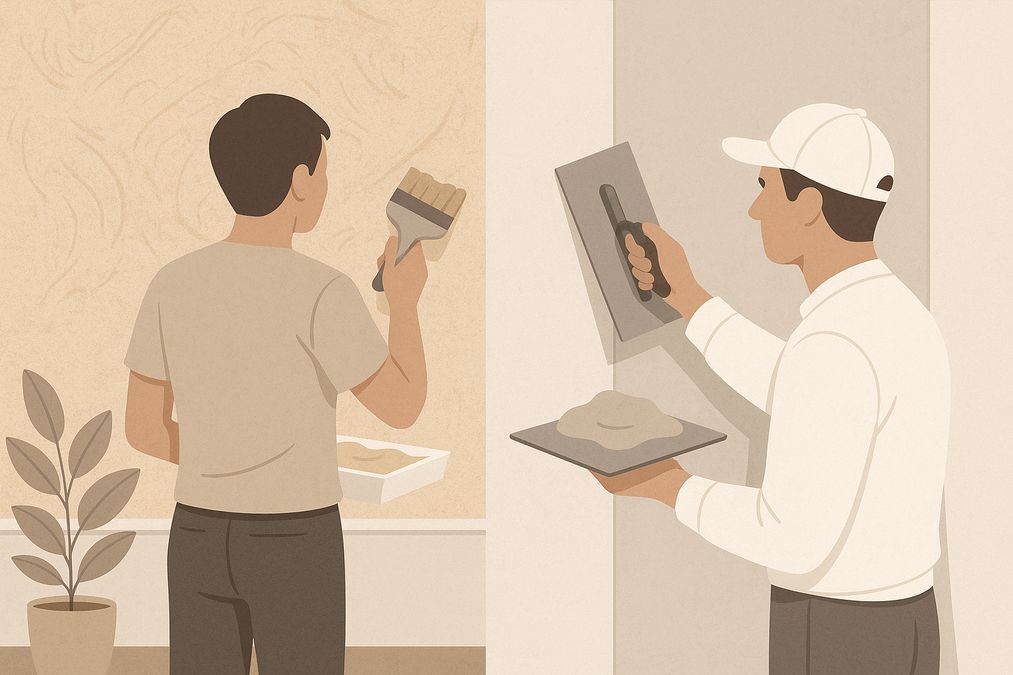
Choosing the right wall finish for your Toronto home, business, or design project is not simply a matter of style—it’s a decision that impacts durability, maintenance, cost, and even the value of your property. One recurring question we hear from homeowners, designers, and contractors is: when can decorative paint stand in for traditional plaster walls, […]
-
Looking for an affordable way to create the luxurious look of plastered walls—without the cost or hassle of traditional plasterwork? Whether you’re a homeowner, an interior designer, or a contractor in Toronto, mastering affordable decorative paint techniques to mimic plaster finish can transform residential or commercial spaces dramatically. Our expert team at venetianplastershop.ca shares must-know […]
Introduction: Understanding Your Decorative Finish Options in 2026 If you’re planning to give your Toronto home, retail store, or office a fresh new look in 2026, you’ve likely considered decorative finishes. But one of the biggest decisions you’ll face is whether to use a DIY paint kit or invest in professional decorative finishes like Venetian […]
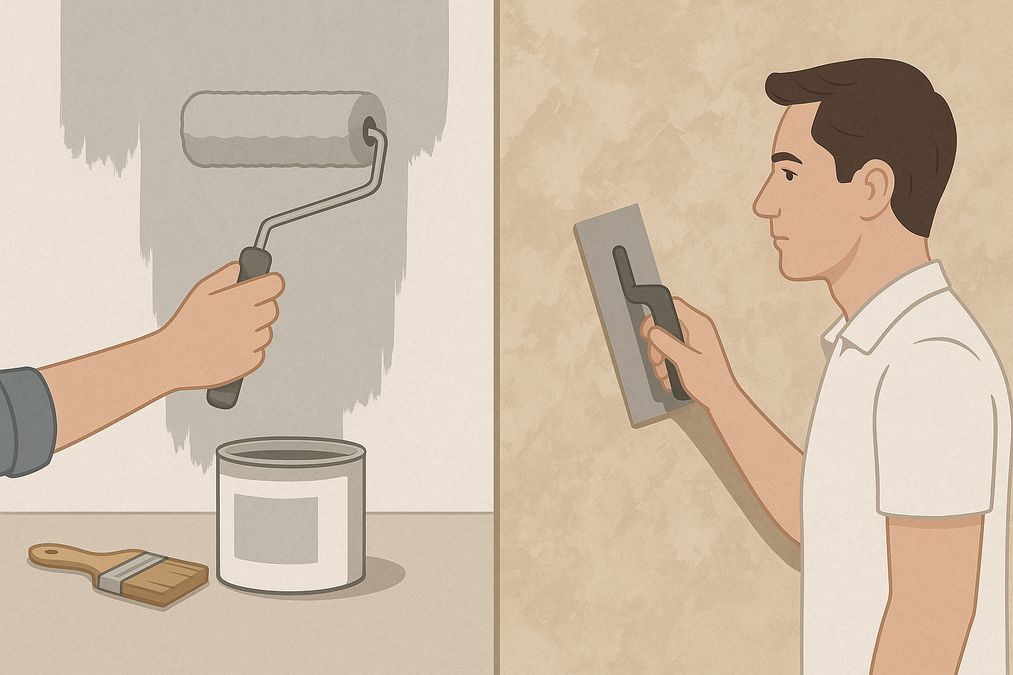
Decorating a wall is no longer a simple colour swap—Toronto homeowners, business owners, and designers seek distinctive finishes to set their interiors apart. With the rise of both DIY paint kits and access to professional decorative finishes, the question many clients are asking in 2026 is: should you go DIY or hire a pro for […]