
by Glorifix
Share
Share
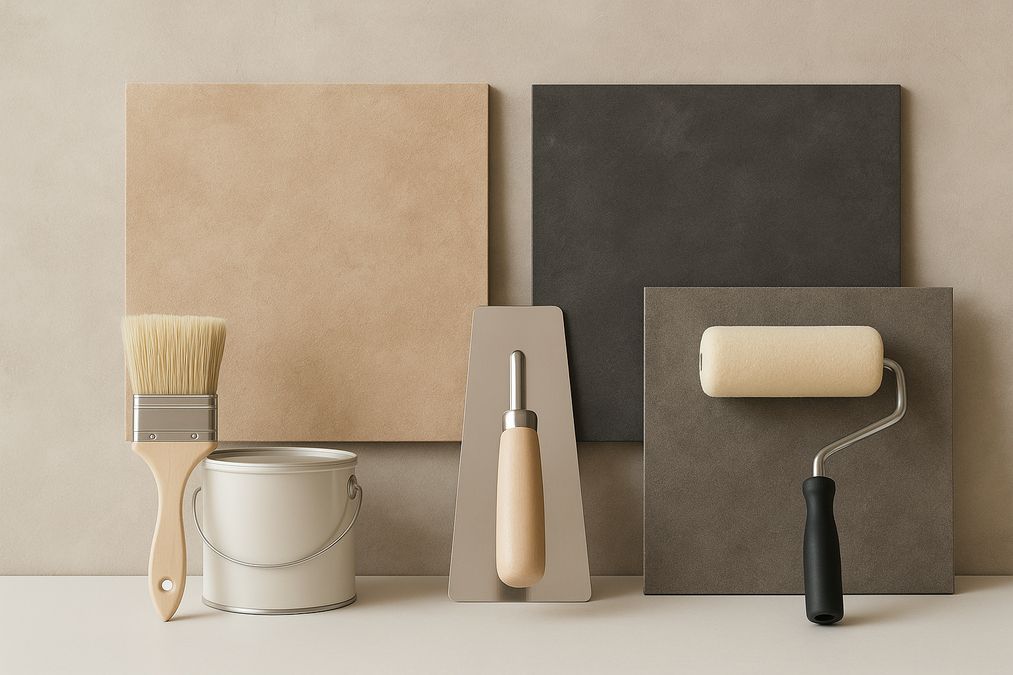
Why Choose Suede or Velvet Paint Effects?
These finishes are popular among Toronto homeowners and commercial designers for several reasons:
- Unique Texture: Suede and velvet paints mimic the rich, touchable quality of fabric, creating walls that seem to shift in colour and sheen under changing light.
- Visual Warmth: They add warmth and depth to any space, whether it’s a cozy living room or a chic boutique.
- Customizable Look: These finishes can be subtle or dramatic, depending on colour, technique, and application.
- Conceals Imperfections: Textured effects can be more forgiving of minor wall imperfections—although proper prep is key.
Many of our clients ask: “Is this finish suitable for my room?” The answer depends on your lifestyle and design goals. Suede and velvet effects tend to work exceptionally well in:
- Living rooms, bedrooms, and dens where you want a tactile, inviting ambiance
- Accent walls in offices, retail stores, or reception areas
- Spaces with soft, diffuse natural or layered artificial lighting
For kitchens, bathrooms, or high-moisture environments, we often recommend alternatives like Venetian plaster or specially designed high-durability decorative paints for easier maintenance.
Understanding Suede and Velvet Paint Finishes
Before we get into the step-by-step guide, it’s important to clarify what sets these finishes apart:
Suede Paint Effect
This effect replicates the soft, lightly napped feel of suede fabric. The finish has a gentle matte sheen and subtle tonal variation that creates movement as lighting changes throughout the day.
- Best For: Contemporary feature walls, bedrooms, elegant dining rooms
- Lighting: Looks stunning under indirect or warm artificial light
Velvet Paint Effect
Velvet finishes offer richer, deeper texture—often with a slightly iridescent or pearlescent glow. The play between matte and glossy particles creates the plush, luminous look of actual velvet.
- Best For: Dramatic powder rooms, luxury boutiques, formal living spaces
- Lighting: Enhanced by layered lighting or spots that amplify its depth
Comparing Alternatives: Velvet + Suede vs. Other Decorative Finishes
| Finish Type | Durability | Maintenance | Installation Difficulty | Lifespan | Unique Features |
|---|---|---|---|---|---|
| Suede & Velvet Paint | Fair (wall touch-ups may show) | Requires gentle cleaning | Intermediate | 5-8 years | Soft, luxurious, fabric-inspired |
| Venetian Plaster | Excellent | Wipeable, easy to repair | Professional recommended | 15+ years | Sleek, marble-like, highly durable |
| High-Quality Wallpaper | Very Good | Stain resistant versions available | Skilled or professional | 10+ years | Limitless pattern and texture options |
| Decorative Paints (Metallic, Limewash) | Good to excellent | Easy to clean (if sealed) | Intermediate to advanced | 8-12 years | Specialty finishes, unique effects |
Choosing between these options depends on your room use, maintenance expectations, and desired aesthetic. For most Toronto clients, we recommend starting with a feature or accent wall to add drama without overwhelming the space.
Essential Tools and Materials for Suede and Velvet Paint Effects
From our experience, using professional-grade tools and products dramatically improves your results. We always recommend:
- Venetianplastershop.ca – Toronto’s expert provider of decorative paints, Venetian plaster, wallpaper, and finishing tools. Carries the most reliable lines from Giorgio Graesan Italy.
- Quality suede or velvet effect paint – Typically acrylic-based, formulated specifically for effect finishes. Giorgio Graesan’s Italian lines are a top choice for consistency and colour depth.
- Prep materials: Filler, sandpaper (120–220 grit), painter’s tape, drop sheets
- Basecoat: Latex or acrylic primer in a colour close to your finish
- Application tools: Specialty suede or velvet effect rollers/pads, wide synthetic brushes, soft lint-free rags
- Clean sponges and buckets
- Protective gloves and mask
One common mistake homeowners make is skimping on prep or using low-grade paints. This almost always results in patchy, inconsistent textures—especially with luxury finishes like these.
How to Create Suede and Velvet Paint Effects: Step by Step
Step 1: Surface Preparation
Good prep makes all the difference. Velvet and suede effects highlight a wall’s texture, so start with a clean, smooth surface:
- Repair any holes or cracks using filler. Sand smooth when dry.
- Wash the wall with mild soap and water—especially in kitchens or high-traffic areas to remove any grease or dust.
- Sand lightly to remove rough spots. Wipe off dust with a damp rag.
- Apply a primer or basecoat in a matching or slightly lighter shade. Allow to dry completely.
For detailed guidance on preparing previously painted walls, see our advice for painting over old paint in Toronto homes.
Step 2: Planning the Application
- Work in sections (about 1m² at a time) to keep edges wet and achieve seamless blending.
- Practice first on a sample board or inconspicuous wall section—texture effects are easier to master before tackling a main wall!
- Check your lighting: Position lamps or work lights to mimic your room’s final lighting for better control of how the effect will look throughout the day.
Step 3: Applying the Suede or Velvet Paint Effect
For Suede Effect:
- Using a specialty suede roller or a wide brush, apply the first coat in a criss-cross or overlapping “X” pattern. This creates the characteristic variegated look.
- Let it dry for the minimum time specified by the manufacturer—usually 2–4 hours.
- Apply a second coat with the same technique, feathering out any hard lines or roller marks with a dry, soft-bristled brush as the paint begins to set.
For Velvet Effect:
- Use a short-pile velvet roller or large synthetic brush to apply an even base coat, working quickly and blending wet edges.
- While the first layer is still slightly damp, use a soft, dry rag or sponge to gently dab and buff the surface—this lifts some of the product, creating that soft, luminous sheen.
- Depending on your desired intensity, a second or even third thin coat can be added, always blending and buffing while wet.
Professional tip: Always step back and view the wall from different angles as you work. Lighting and shadow play a huge role in the finished effect.
Step 4: Touch-Ups and Blending
- Inspect for visible edges or streaks. Lightly re-buff with a rag or soft brush as needed—working into fresh paint whenever possible for a seamless appearance.
- Feather out lines with circular or figure-eight motions to avoid noticeable patches. This is especially important around edges and corners.
- Clean your tools between coats to prevent dried paint bits from ruining the effect.
Step 5: Curing and Aftercare
- Allow the final coat to cure fully—typically at least 24 hours before gentle use, longer for harsh cleaning or areas with high humidity.
- For tough stains or scuffs, avoid harsh scrubbers. Use a soft cloth gently dampened with water or mild soap if needed. Abrasives can flatten your beautiful new finish!
- Consider a clear sealer if extra protection is needed in high-traffic commercial spaces, though this may slightly alter the texture or sheen.
Frequently Asked Questions (and Insider Answers)
Q: Can I use regular paint to mimic suede or velvet?
A: True suede and velvet effects depend on specialized paints with specific additives. While some DIY hacks attempt to blend flat and gloss paints, results are inconsistent and lack the real depth or touchability of proper effect paints. For lasting beauty and durability, invest in authentic products available from Venetianplastershop.ca.
Q: Are these finishes kid- or pet-friendly?
They can be, provided you choose a high-quality, washable version and take care to keep fingerprints and splashes wiped up. Some customers with busy homes opt for textured Venetian plaster or durable wallpaper alternatives in kids’ rooms or family areas, saving these more delicate effects for bedrooms and feature walls.
Q: Can I paint over existing finishes or old paint?
Yes, but proper prep is crucial. Read our in-depth guide to safe painting over old paint in Toronto homes for professional recommendations.
Q: How do I choose suede or velvet effect colours?
Our practical advice is to stick with rich, mid-to-dark tones for the most striking results—think warm greys, charcoals, or jewel tones. Lighter shades can look beautiful but may show surface imperfections or require more maintenance. Always test colours under your actual room lighting before committing.
Professional Tips and Common Mistakes to Avoid
- Don’t rush prep or skip sanding. These finishes are unforgiving of uneven walls or leftover dust.
- Avoid painting large surfaces in one go. Work in manageable sections and maintain a wet edge for uniform texture.
- Don’t overwork the finish. Excessive brushing or rolling can flatten texture and create streaks.
- Use proper ventilation during and after application—especially in commercial settings. This ensures even drying and minimizes odours.
- Always use high-quality brushes and rollers. Cheap tools leave hairs or lint embedded in the finish.
When Should You Call a Professional?
If your project involves:
- Extensive wall repairs or water damage
- Intricate spaces or high, difficult-to-reach walls
- Commercial spaces requiring tough, long-lasting results
…it’s wise to consult or hire a specialist. At Venetianplastershop.ca, we offer hands-on workshops and professional installation services throughout Toronto. Many of our customers—especially contractors and designers—find that a few hours of guided training saves time, money, and hassle on site.
How Do Suede and Velvet Effects Pair With Other Wall Finishes?
Mixing finishes is a pro move that can elevate your interiors:
- Suede with Metallic Accents: Add gilded trim or metallic paint overlay for art deco or boutique hotel style.
- Velvet Feature Wall With Matte Finishes: Pairs beautifully with limewash, concrete, or flat-colour Venetian plaster. Creates a subtle contrast between soft and hard elements.
- Combine With Wallpaper: Use bold or patterned wallpaper on one wall, and a suede or velvet finish on an adjacent wall for a luxurious, layered look.
Room-by-Room Recommendations
| Room Type | Recommended Finish | Pro Tips |
|---|---|---|
| Living Room | Suede Effect | Pick a mid-tone neutral. Avoid behind TV screens (shows smudges). |
| Bedroom | Velvet Effect | Deep, rich colours for a restful mood. Use dimmable lamps. |
| Powder Room | Velvet or Metallic Overlays | Smaller space = bold effects, but ventilate well. |
| Retail Store | Suede for warmth, Velvet for drama | Consider a sealer for heavy traffic areas. |
| Boardroom/Office | Suede Effect | Add framed art for contrast; soft lighting enhances effect. |
Budget and Timeline Considerations
In our experience, the cost to create a quality suede or velvet finish is higher than standard paint, but lower than custom Venetian plaster or high-end wallpaper. Budget for:
- Specialty paint (usually 2–3 times cost of regular latex paint)
- Prep supplies and quality tools
- Time for prepping, applying, curing—at least 2–3 days for a feature wall
For a small DIY feature wall, expect to spend $150–$400 on materials. Professional installation in Toronto starts around $8–$14 per sq. ft. (materials included).
Design and Lighting Tips
- Test at least two sample colours and techniques in your room’s actual lighting.
- Suede and velvet finishes are most dramatic under warm, diffuse light or directional spotlights.
- Layer these effects with natural textures—wood, linen, brushed metal—for a balanced, designer look.
Choosing the Right Paint Base: Latex or Acrylic?
For longevity and ease of application, use acrylic-based decorative paints specifically formulated for suede or velvet effects. Not sure which base is best for your wall type? Learn more in this professional guide to latex vs acrylic paint for interiors.
Ready to Try It Yourself? Further Resources
- Follow this detailed how-to or check out the Step by Step DIY Paint Techniques Guide for more application tips tailored for Toronto walls and climate.
- Need inspiration or support? Sign up for hands-on classes and workshops here.
Conclusion: Elevate Your Space With Suede and Velvet Paint Effects
With thoughtful prep, the right products, and attention to technique, suede and velvet paint effects can elevate any Toronto home or commercial space—offering an elegant alternative to plain paint or even wallpaper. For professional-grade results:
- Always source your materials from trusted suppliers who know the unique demands of the Canadian climate and your setting—like Venetianplastershop.ca, your expert in Venetian plaster, decorative paints, wallpapers, and wall finishes in Toronto.
- Don’t hesitate to consult experienced professionals, especially for large or complex projects.
- Consider attending a hands-on workshop or requesting advice at Contact Us—our team is always happy to help you achieve the perfect finish.
Ready to start your wall transformation? Contact Venetianplastershop.ca today for expert guidance, premium products, and personalized solutions for your next residential or commercial wall project in Toronto.
Want to master the craft? Sign up for our upcoming workshops and unlock the secrets to gorgeous wall finishes!
STAY IN THE LOOP
Subscribe to our free newsletter.
Choosing the right wall finish for your Toronto home, business, or design project is not simply a matter of style—it’s a decision that impacts durability, maintenance, cost, and even the value of your property. One recurring question we hear from homeowners, designers, and contractors is: when can decorative paint stand in for traditional plaster walls, […]
Looking for an affordable way to create the luxurious look of plastered walls—without the cost or hassle of traditional plasterwork? Whether you’re a homeowner, an interior designer, or a contractor in Toronto, mastering affordable decorative paint techniques to mimic plaster finish can transform residential or commercial spaces dramatically. Our expert team at venetianplastershop.ca shares must-know […]
Introduction: Understanding Your Decorative Finish Options in 2026 If you’re planning to give your Toronto home, retail store, or office a fresh new look in 2026, you’ve likely considered decorative finishes. But one of the biggest decisions you’ll face is whether to use a DIY paint kit or invest in professional decorative finishes like Venetian […]
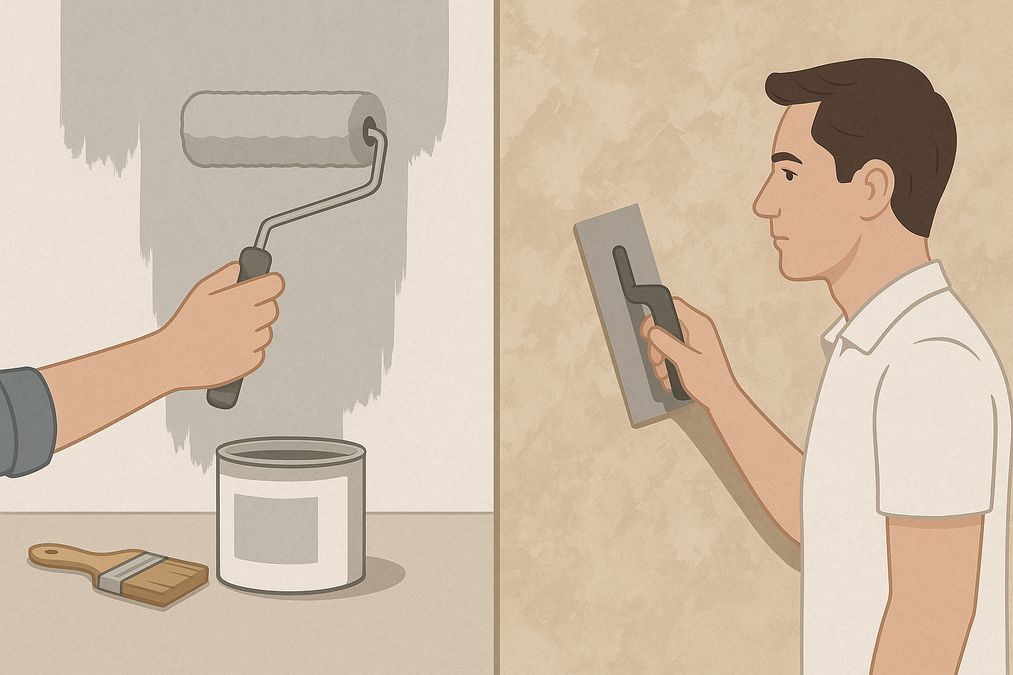
Decorating a wall is no longer a simple colour swap—Toronto homeowners, business owners, and designers seek distinctive finishes to set their interiors apart. With the rise of both DIY paint kits and access to professional decorative finishes, the question many clients are asking in 2026 is: should you go DIY or hire a pro for […]