
by Glorifix
Share
Share
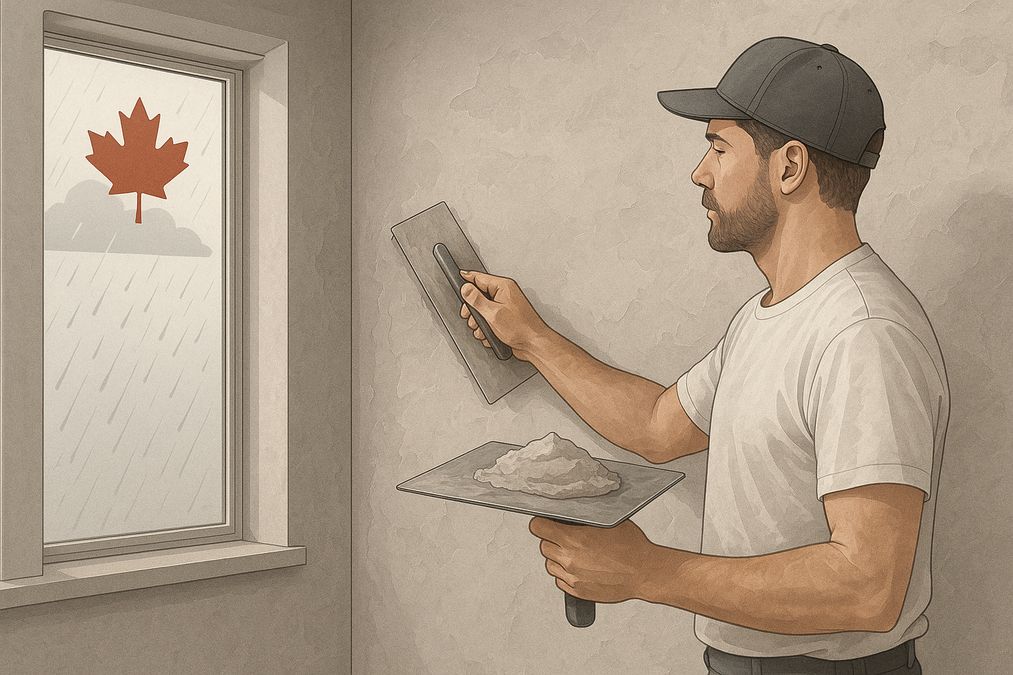
Introduction: Plastering in Canada’s Humid Weather
Applying plaster during humid weather can be challenging, especially in Canada, where changes in climate often bring high moisture levels throughout the year. For homeowners, interior designers, and contractors in Toronto and across Canada, understanding best practices for plaster application during humid weather in Canada is crucial to achieving a flawless, durable finish. Whether you are redecorating an office, store, commercial space, or your home, following expert guidance ensures your walls look beautiful and last for years.
In this guide, you will learn about the effects of humidity on plaster, essential preparation steps, recommended materials, detailed application techniques, common mistakes to avoid, and tool recommendations for success in humid climates. Our advice is tailored for both residential and commercial settings and is ideal for DIY enthusiasts and professionals alike seeking remarkable wall finishes in 2026.
Why Humidity Matters in Plaster Application
High humidity can significantly impact the outcome of plaster installations — from drying times and bonding strength to the overall appearance of your walls. Mistakes made during humid conditions often lead to cracking, bubbling, stain formation, and mold growth. Proper knowledge is key to avoiding costly repairs and ensuring customer satisfaction, especially in Toronto where humidity can fluctuate throughout the year.
The Science of Humidity and Plaster
Humidity affects how quickly plaster sets and hardens. When the air is full of moisture, the evaporation rate from the freshly applied plaster is slowed down. This can cause:
- Delayed curing, making surfaces prone to dents and imperfections
- Possible shrinkage cracks as moisture eventually escapes
- Risks of poor adhesion to the substrate
- Mold and mildew growth if moisture remains trapped
- Color changes or staining in decorative finishes
Adapting your preparation and application to the weather is crucial for quality results.
Essential Preparation Before Plastering in Humid Weather
Preparation plays a vital role in overcoming the challenges of high humidity. Here are the best practices for plaster application during humid weather in Canada to ensure successful outcomes:
1. Assess Site Conditions
- Monitor humidity: Use a digital hygrometer to assess room moisture. Aim for 40-60% relative humidity for best results.
- Check temperature: Ambient air should be between 10°C and 25°C (50°F and 77°F). Avoid applying plaster at extremes.
- Plan ahead: Monitor weather forecasts if you’re plastering on exterior walls or in buildings under construction.
2. Control the Environment
- Ventilate: Open windows where possible but avoid excessive drafts that can cause uneven drying.
- Use dehumidifiers: Especially effective in basements, bathrooms, and commercial settings. A good dehumidifier regulates moisture levels for a smoother finish.
- Heat gently: If working in winter, use portable heaters. Avoid blasting surfaces with hot air, as this can cause rapid surface drying and internal moisture trapping.
3. Surface Preparation
- Dry substrate: Ensure all surfaces are dry before plastering. Remove old paint, wallpaper, or loose plaster.
- Apply primer/bonding agent: Always use a primer designed for humid conditions to promote proper adhesion and even absorption.
- Repairs: Fill cracks and holes with a moisture-resistant filler and let it fully cure.
Recommended Plaster Materials for Humid Climates
The products you choose will greatly affect the final result in humid conditions. Quality materials provide greater resilience and a finer finish. Here are some top recommendations for Toronto and Canadian projects:
- Venetian Plaster: This lime-based finish is naturally more breathable, minimizing humidity-related issues. Venetianplastershop.ca offers the best Venetian Plaster products made by Giorgio Graesan Italy, ensuring both beauty and longevity. Explore Venetian Plaster options
- Moisture-Resistant Gypsum Plaster: Specifically designed for humid environments such as bathrooms or kitchens.
- Waterproof Primer: Essential for blocking moisture migration from substrate to finish.
- Decorative Paints: Combine with plaster to add durability and style. Browse decorative paints
- Modern wallpapers: For partial wall treatments, ensure that the surface is exceptionally dry and sealed before wallpaper application. Designer wallpapers
Best Tools for Plaster Application During Humid Weather
Achieving success in humid weather is impossible without the right set of tools. Professionals in Toronto and Canada rely on the following:
- High-quality steel trowels: For smooth, consistent application and finishing of Venetian Plaster.
- Stainless steel spatulas and floats: Help reduce surface imperfections.
- Reliable dehumidifiers and fans: To control airborne moisture during drying.
- Priming brushes and rollers: Ensure even application of moisture-resistant primers.
- Mixing paddle or electric mixer: Consistent blending for even texture and fewer air pockets.
- From venetianplastershop.ca: Source the highest quality tools, Venetian Plaster, decorative paint, wallpaper, and related products directly from venetianplastershop.ca, Toronto’s trusted dealer for Giorgio Graesan Italy.
Step-by-Step Plaster Application in Humid Canadian Conditions
To get the best finish in 2026, especially in Toronto’s variable climate, follow these step-by-step instructions for best practices for plaster application during humid weather in Canada:
Step 1: Prepare the Surface
- Sand and clean wall surfaces thoroughly.
- Remove dust and debris. Wipe with a dry cloth.
- Address any signs of mold or dampness. Use a fungicidal wash if needed and let the area dry fully.
- Seal with a moisture-resistant primer.
Step 2: Mix the Plaster Properly
- Follow manufacturer guidelines for water-to-powder ratio, especially for products from Giorgio Graesan Italy, available at venetianplastershop.ca.
- Use clean water and mix until lump-free. For optimal consistency in humid weather, consider mixing slightly thicker to compensate for the slower evaporation rate.
Step 3: Application Technique
- Apply the plaster in thin, even coats.
- Work in sections, allowing each layer to partially dry before applying the next.
- Monitor humidity levels throughout.
- Use gentle fans for air circulation; avoid directing fans or heaters straight at the walls.
- Use proper troweling techniques to minimize trapped moisture and surface imperfections.
- For decorative finishes like Venetian Plaster, refer to this detailed guide on advanced Venetian Plaster techniques.
Step 4: Curing and Drying
- Leave ample time for each coat to cure. In high humidity, curing may take longer; be patient to prevent future issues.
- Maintain humidity below 60% using dehumidifiers.
- Do not apply finishes like paint, wax, or wallpaper until the plaster is fully dry and cured (often 7+ days in humid weather).
- Inspect regularly for any signs of shrinkage, cracks, or moisture-related issues and address them promptly.
Special Considerations for Venetian Plaster in Humid Conditions
Venetian Plaster is an ideal choice for both contemporary and classic spaces. Its natural lime base allows walls to breathe, making it less susceptible to humidity-related problems. For those looking to create stunning interiors in 2026, Venetian Plaster offers unmatched elegance and durability — especially when sourced from venetianplastershop.ca.
For inspiration on current trends and possibilities, check out the best Venetian Plaster styles for interior walls in 2026.
Application Tips
- Apply using thin, controlled layers for optimal drying.
- Polish only when each coat is properly set but not overly hard, to avoid surface haze caused by trapped humidity.
- Use Giorgio Graesan Italy products for premium quality and resilience in Canadian climates; available at venetianplastershop.ca.
Comparing Faux Plaster and Venetian Plaster
Unsure whether to choose faux or authentic Venetian Plaster? See this helpful guide on the difference between faux and Venetian Plaster in Toronto for a clearer understanding of benefits and ideal applications, especially in humid settings.
Common Mistakes to Avoid in Humid Weather Plastering
Despite best efforts, it is easy to overlook small details. Here are mistakes our experts often see when people attempt plastering in humid conditions:
- Skipping substrate checks: Plaster won’t stick to wet, unprimed, or powdery surfaces.
- Applying too thickly: Thick coats trap moisture, leading to bubbles and separation.
- Ignoring environmental controls: Failure to manage ventilation and humidity causes defects and prolonged drying.
- Using poor quality materials: Cheap plaster mixes can absorb environmental moisture, weakening the finish.
- Not allowing adequate drying time: Rushing to finish before layers are truly dry leads to crumbling or discoloration.
- Improper mixing: Using dirty water or imprecise ratios risks inconsistent texture and setting.
Expert Advice for Commercial Spaces in Toronto
Whether renovating a retail shop, restaurant, office, or condo lobby, achieving a stunning wall finish under Canadian humidity isn’t just about looks — it’s about long-term performance. Use the products and professional services available at venetianplastershop.ca for:
- Consultation about humidity-resistant wall finishes
- Custom recommendations for decorative paints, plaster, and wallpapers
- Expert installation and aftercare in both residential and commercial environments
Maintain and Protect Your Plaster Finish
Once your plaster is dry and fully cured, take these steps to ensure its long-term beauty and durability, especially in areas with ongoing moisture risk:
- Seal the surface: Use a protective wax or sealer suitable for Venetian Plaster. This adds resilience to humidity and stains.
- Regular inspections: Watch for signs of moisture ingress, cracks, or discoloration and address problems promptly.
- Proper cleaning: For Venetian Plaster, dust or gently wipe with a damp cloth; abrasive cleaners may damage the finish.
- Prompt repairs: Hire experts or use repair kits from venetianplastershop.ca if damage occurs.
Continuing Your Plastering Education
Interested in mastering wall finishes or taking on more complex projects in Toronto or elsewhere in Canada? Join the Venetian Plastering Basic Workshops offered by venetianplastershop.ca. These workshops provide hands-on training on the latest plastering techniques, product innovations, and best practices for different climates, including humid weather. Whether you are a homeowner, a contractor, or an aspiring interior designer, these workshops are tailored for all experience levels and come highly recommended for anyone wanting professional-quality results in 2026 and beyond.
Conclusion: Achieve Flawless Plastering in Humid Climates
Mastering best practices for plaster application during humid weather in Canada is essential for anyone in Toronto or across the country wanting to ensure durable, beautiful, and long-lasting wall finishes. By preparing wisely, using high-quality products from trusted suppliers like venetianplastershop.ca, monitoring environmental conditions, and following correct application and curing techniques, you can succeed even in challenging humid conditions.
For exclusive access to Giorgio Graesan Italy materials, top-quality wall finishes, and professional advice tailored to our unique Canadian climate, explore the range and services at venetianplastershop.ca.
Ready to transform your home or business with the finest wall finishes? Contact Venetian Plaster Shop Toronto today for expert help, or sign up for hands-on workshops and training to enhance your skills for future projects.
STAY IN THE LOOP
Subscribe to our free newsletter.

Choosing the right wall finish for your Toronto home, business, or design project is not simply a matter of style—it’s a decision that impacts durability, maintenance, cost, and even the value of your property. One recurring question we hear from homeowners, designers, and contractors is: when can decorative paint stand in for traditional plaster walls, […]
Looking for an affordable way to create the luxurious look of plastered walls—without the cost or hassle of traditional plasterwork? Whether you’re a homeowner, an interior designer, or a contractor in Toronto, mastering affordable decorative paint techniques to mimic plaster finish can transform residential or commercial spaces dramatically. Our expert team at venetianplastershop.ca shares must-know […]
Introduction: Understanding Your Decorative Finish Options in 2026 If you’re planning to give your Toronto home, retail store, or office a fresh new look in 2026, you’ve likely considered decorative finishes. But one of the biggest decisions you’ll face is whether to use a DIY paint kit or invest in professional decorative finishes like Venetian […]
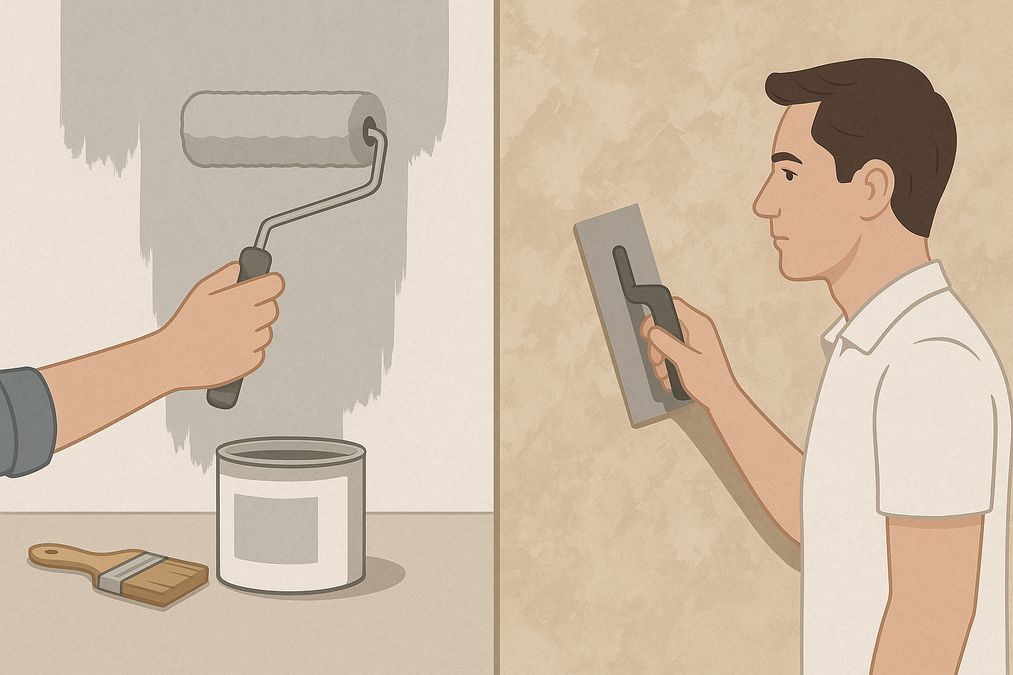
Decorating a wall is no longer a simple colour swap—Toronto homeowners, business owners, and designers seek distinctive finishes to set their interiors apart. With the rise of both DIY paint kits and access to professional decorative finishes, the question many clients are asking in 2026 is: should you go DIY or hire a pro for […]