
by Glorifix
Share
Share
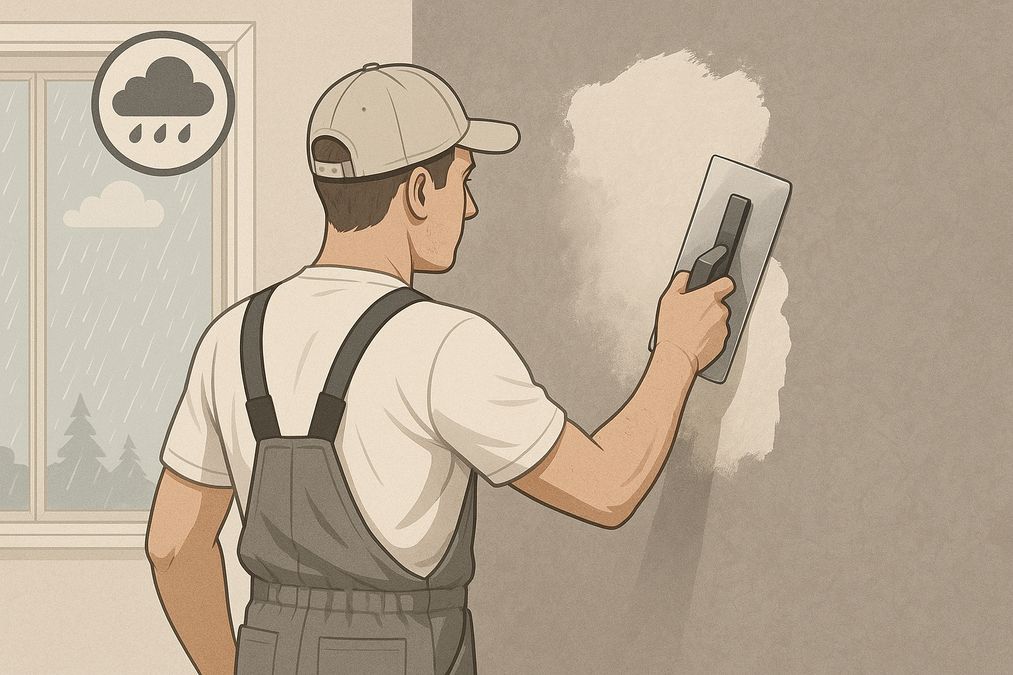
Introduction: Mastering Plastering in Humid Canadian Weather
Whether you’re a homeowner in Forest Hill, an interior designer shaping luxury condos in downtown Toronto, or a contractor renovating commercial spaces, knowing the best practices for plaster application during humid weather in Canada is crucial. Canadian summers and unpredictable spring and fall days can involve high humidity, making it challenging to achieve a flawless plaster finish on your walls and ceilings. Moisture in the air can affect drying times, adhesion, and the long-term durability of your wall surfaces. In this comprehensive guide tailored for Toronto and the broader Canadian climate, you’ll learn how to navigate these challenges like a pro – ensuring your plaster, whether traditional or Venetian, stands the test of time and changing seasons.
This article will walk you through:
- Prepping surfaces and controlling indoor environments for plastering in humid weather
- Best products and tools for superior results
- Expert tips for residential, commercial, and decorative plaster finishes
- How to avoid common pitfalls in high moisture conditions
With Toronto’s ever-changing weather, transforming homes, offices, and stores with beautiful plaster finishes requires knowledge and preparation. Let’s get started!
Understanding the Effects of Humidity on Plaster Application
Humidity refers to the amount of moisture in the air. In Canada, especially during late spring, summer, and early autumn, humidity levels can spike. This excess moisture poses several hurdles during plaster work:
- Extended Drying Time: Plaster needs to evaporate water as it dries and binds to your wall. Humidity slows this process, leading to longer curing and higher chances of imperfections.
- Reduced Adhesion: Moist air can inhibit the plaster from bonding securely to the substrate, causing issues down the road such as bubbling, cracking, or even delamination.
- Mildew and Mold Risk: Damp conditions provide a breeding ground for mold and mildew, especially if the substrate is improperly sealed.
- Surface Imperfections: Excessive moisture can lead to efflorescence, a white powdery deposit that mars flawless finishes.
Recognizing these risks is the first step to counteracting them and ensuring that your walls, ceilings, or feature elements remain stunning and durable for years to come.
Why Plaster Remains Popular in Toronto Homes and Commercial Spaces
Plaster, especially artisanal and decorative types like Venetian plaster, is prized across Toronto for its durability, beauty, and versatility. It’s used for everything from elegant living room accent walls to luxury store interiors and modern office boardrooms. Plaster finishes offer:
- Superior Aesthetics: Smooth, polished surfaces or rich textured effects
- Longevity: Properly applied finishes can outlast paint or wallpaper
- Customization: Endless color and texture options to complement any style
- Healthy Walls: High-end plasters like lime or Venetian types are naturally mold- and mildew-resistant when installed correctly
Given these advantages, mastering the best practices for plaster application during humid weather in Canada becomes essential for anyone looking to enhance their space.
Essential Tools and Materials for Humid Weather Plaster Application
No matter your level of experience, having the right products and equipment is step one. Here’s what every Toronto-based applicator should keep handy:
- Professional-Grade Plaster Mix: Choose high-quality, humidity-adapted options like those available from venetianplastershop.ca. Look for plasters sourced from Giorgio Graesan Italy for best-in-class results.
- Flexible Trowels and Finishing Tools: Stainless steel trowels, spatulas, and floats for various textures
- Electric Fans and Dehumidifiers: To help regulate room conditions before, during, and after application
- Quality Primers and Sealers: Moisture-blocking primers prevent substrate absorption
- Moisture Meter: To test wall moisture before you start
- Plastic Sheeting and Masking Tape: To protect surrounding areas from splatter
For the absolute best brands, technical advice, and material selection, visit or contact venetianplastershop.ca, a trusted provider for all plaster, decorative paint, wallpaper, and wall finish needs in the GTA.
Preparing the Surface: Step-by-Step Guide for Success in Humid Conditions
1. Check Surface Moisture
Use a moisture meter to ensure drywall, cement, or previous plaster surfaces have a moisture content below 12%. Applying over damp substrates can trap moisture, causing future issues.
2. Control the Environment
Keep windows closed and use dehumidifiers for at least 24 hours before plastering. Ideal indoor relative humidity is 40-60% for plaster work. For commercial projects, coordinate with property managers to adjust HVAC systems accordingly.
3. Prime and Seal Properly
Select a primer designed for humidity resistance. Two coats may be necessary for troublesome areas (basements, bathrooms, high-traffic commercial zones).
4. Clean and Mask
Remove all dust, grease, and existing flaking paint. Use plastic sheeting to mask off features like moldings, outlets, and floors to ensure clean lines and easy cleanup.
Mixing and Applying Plaster in Humid Weather: Best Practices for 2026
Select the Right Plaster Type
- Lime-Based Plasters: Superior vapor permeability (like Venetian and Marmorino plasters) allow walls to “breathe,” resisting humidity damage better than ordinary gypsum-based products.
- Synthetic or Modified Plasters: Certain acrylic or resin-enhanced plasters hold up well but may not offer the same eco-friendly benefits as natural options.
Mixing Tips
- Only mix as much plaster as can be applied in 30-40 minutes.
- Use cold, clean water and follow product-specific instructions to avoid over-dilution.
- Allow mixed plaster to rest for 5-10 minutes before application; this helps hydrate the compound fully.
- If using color-infused plasters, blend pigment thoroughly for even results.
Application Techniques for Humid Conditions
- Apply thin coats (1-2mm each). Thick applications dry unevenly, increasing the risk of defects.
- Work in sections no wider than arm’s reach.
- Allow each layer to dry fully before applying the next.
- Keep air gently circulating with fans, but avoid direct, forceful airflow on fresh plaster, which can cause surface cracks.
- Monitor the room’s humidity continuously; keep at or just under 60% through cure time.
Expert Advice: Venetian and Decorative Plaster Styles
For homeowners and designers who love the elegance of Venetian or faux plasters, explore the Best Venetian Plaster Styles for Interior Walls in 2026 for ideas. These finishes are not only resilient when applied correctly but also bring timeless Italian-inspired sophistication to Toronto residences and businesses alike.
Drying and Curing Properly: Avoiding the Most Common Mistakes
Allow Ample Drying Time
Humidity slows moisture evaporation. It’s essential to extend drying times between coats:
- Allow at least 24 hours per coat in moderate humidity (50-60%). Longer if conditions are above 70% RH.
- Do not rush by applying subsequent coats to plaster that isn’t dry to the touch throughout the application area.
Watch for Warning Signs
- Soft spots or discoloration may indicate retained moisture.
- Efflorescence (white powdery spots) usually signals excess trapped moisture. If observed, wait longer and improve ventilation/dehumidification.
Seal for Lasting Protection
Once the final plaster coat is fully cured (up to 7 days in humid weather), apply a breathable sealer suitable for your plaster type. This locks out future moisture without trapping vapor inside the wall.
Expert Strategies for Commercial and High-Traffic Projects
For large retail spaces, offices, or multi-unit residential buildings, weather-related delays can be costly. Here are a few time-saving and quality-assurance strategies:
- Use Professional-Grade Dehumidification: Invest in industrial-grade equipment for consistent results.
- Stage Application: Divide large areas into zones to allow for proper drying times and minimize the impact of outdoor weather swings.
- Coordinate with HVAC Teams: Adjust air conditioning and ventilation schedules during application and cure periods.
- Train Your Team: Consider staff workshops or external training (like those occasionally offered at venetianplastershop.ca) to stay updated on climate-adaptation techniques in plastering.
For advanced tips on achieving flawless, showstopping effects, explore Advanced Venetian Plaster Techniques for Interior Walls in Toronto 2026.
Decorative Finishing Touches: Elevate Your Walls in 2026
After conquering the challenges of humid weather, it’s time to choose the perfect finish:
- Marmorino: Velvety, stone-like finish – ideal for standout feature walls
- Stucco Veneziano: Ultra-polished, high-gloss effect suited for elegant living rooms, hotel lobbies, or chic commercial spaces
- Textured & Faux Effects: Replicate concrete, marble, or metallic sheens with specialty plasters and glazes
Curious about how faux and Venetian plasters compare? Read Difference Between Faux Plaster and Venetian Plaster in Toronto for an in-depth look at which is best for your project.
If you want to browse or source top-shelf Venetian plaster, browse Venetian Plasters from venetianplastershop.ca, including exclusive collections from Giorgio Graesan Italy. Also, discover elegant wallpapers and decorative paints to complete your interior transformation.
Common Mistakes to Avoid When Plastering During Humidity
- Skipping Moisture Testing: Starting on walls that seem dry by touch but have high internal moisture
- Insufficient Surface Prep: Plaster delaminates if old coatings aren’t fully removed or substrates not sealed properly
- Applying Too Thick: Leads to uneven drying and potential cracking
- Overusing Heat: Direct heat or forced air can cause surface skinning, hiding uncured layers beneath
- Ignoring Drying Schedules: Rushing through coats to speed up the project increases long-term risk
Follow manufacturer’s instructions. Consult local experts like those at venetianplastershop.ca for technical advice specific to the GTA climate and Italian plaster materials.
Frequently Asked Questions: Plastering in Humid Toronto Weather
- Can I plaster in summer if it’s raining outside?
Technically yes, as long as your interior humidity is controlled. Close windows and use dehumidifiers. Avoid opening windows during heavy rain or high humidity periods. - How can I speed up plaster drying?
Use fans set to circulate (not direct) air and portable dehumidifiers. Do not use heaters that could cause rapid surface drying and skinning. - Which plaster is best for humid areas like washrooms?
Lime-based and Venetian plasters offer superior breathability and mold resistance. Check out the offerings at Venetian Plasters.
Conclusion: Achieve Beautiful, Long-Lasting Results in Any Weather
Plastering in humid weather doesn’t have to be intimidating. By adopting the best practices for plaster application during humid weather in Canada, you can achieve stunning, resilient walls and ceilings that elevate any interior space. The keys are careful planning, strict environmental controls, adhering to proper techniques, and using high-caliber materials from trusted suppliers.
Ready to start your Toronto renovation, build, or redesign? Have questions about which plaster or wall finish is right for you?
Contact the experts at Venetianplastershop for personalized advice, product recommendations, or to schedule your next project consultation. Transform your home, office, or retail location with confidence, no matter the season!
STAY IN THE LOOP
Subscribe to our free newsletter.

Choosing the right wall finish for your Toronto home, business, or design project is not simply a matter of style—it’s a decision that impacts durability, maintenance, cost, and even the value of your property. One recurring question we hear from homeowners, designers, and contractors is: when can decorative paint stand in for traditional plaster walls, […]
Looking for an affordable way to create the luxurious look of plastered walls—without the cost or hassle of traditional plasterwork? Whether you’re a homeowner, an interior designer, or a contractor in Toronto, mastering affordable decorative paint techniques to mimic plaster finish can transform residential or commercial spaces dramatically. Our expert team at venetianplastershop.ca shares must-know […]
Introduction: Understanding Your Decorative Finish Options in 2026 If you’re planning to give your Toronto home, retail store, or office a fresh new look in 2026, you’ve likely considered decorative finishes. But one of the biggest decisions you’ll face is whether to use a DIY paint kit or invest in professional decorative finishes like Venetian […]
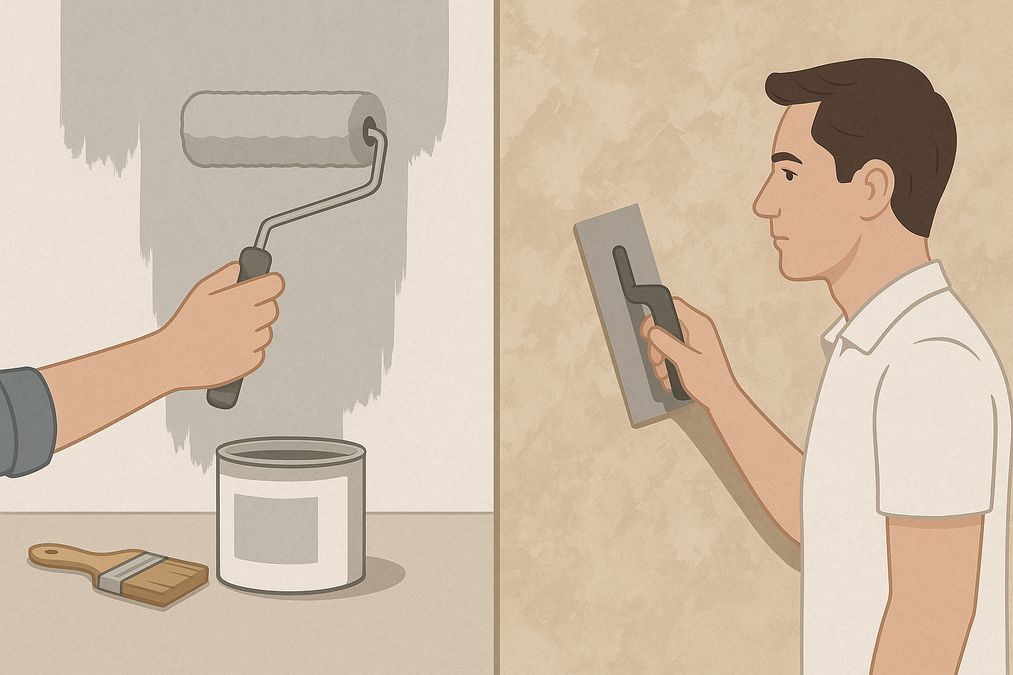
Decorating a wall is no longer a simple colour swap—Toronto homeowners, business owners, and designers seek distinctive finishes to set their interiors apart. With the rise of both DIY paint kits and access to professional decorative finishes, the question many clients are asking in 2026 is: should you go DIY or hire a pro for […]