
by Glorifix
Share
Share
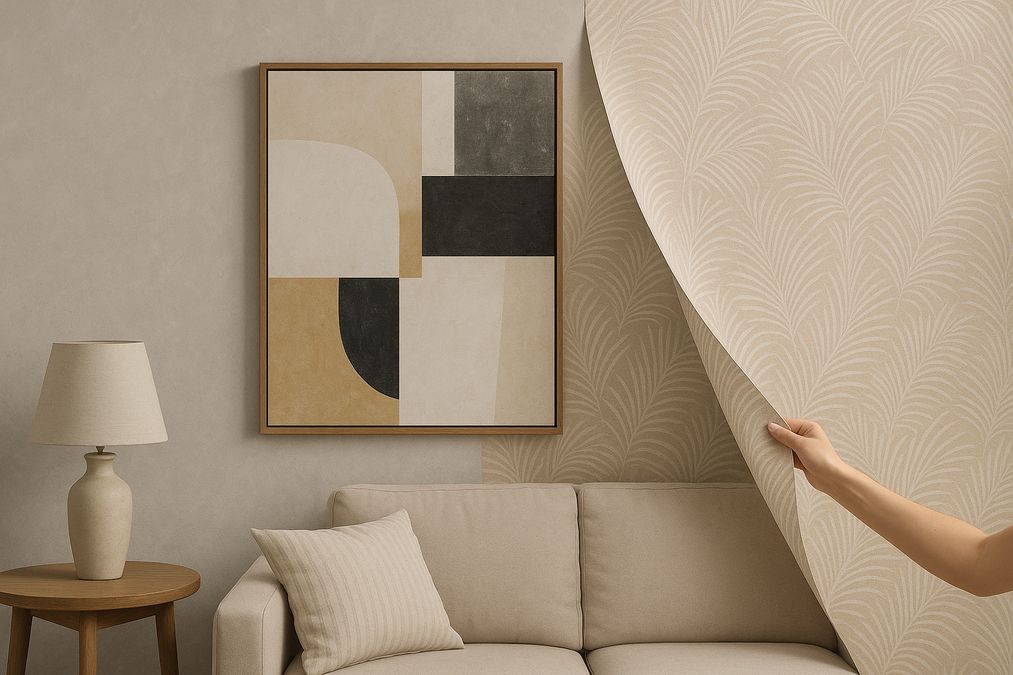
Layering wallpaper around art and furniture is one of the most transformative ways to enhance the character of any space – from Toronto homes to retail stores and office interiors. Done right, it can create an environment that feels curated, dynamic, and completely unique. But achieving a professional, seamless look goes beyond simply picking a pattern: it requires technique, planning, and an understanding of how wall treatments interact with furniture, art, and lighting. In 2026, with new materials and more complex spaces, getting this right is both an art and a science.
Why Layer Wallpaper Around Art and Furniture?
Most homeowners and designers come to us wanting a space that feels cohesive yet personal. Layering wallpaper around furniture and art lets you:
- Frame statement pieces with harmonizing backdrops
- Visually anchor furniture groupings within open concept spaces
- Balance focal points against creative wall coverings
- Create depth, contrast, and interest without overloading a room
But in our experience, a common mistake is to treat wallpaper solely as a background—ignoring how patterns, textures, and color interact with what’s already in the room. The real magic happens when you use professional techniques to layer these elements, producing a look that elevates both your finishes and your curated objects.
Key Considerations Before You Begin
- Wall Condition: Ensure surfaces are smooth, dry, and properly primed—even high-end wallpaper materials reveal flaws.
- Lighting: Natural and artificial light dramatically impact how wallpaper looks behind glass-framed art or next to matte furnishings.
- Room Usage: Busy commercial interiors often require more durable or cleanable finishes, especially around high-traffic areas.
- Furniture Placement: Do a thorough furniture layout first—unplanned changes after wallpapering can expose unfinished areas or disrupt focal points.
Choosing the Best Wallpaper Materials for 2026 Layering Projects
With the evolution of wallcoverings, there’s now a huge range to consider. Based on years of helping homeowners, designers, and contractors in Toronto, here’s what we recommend for layering projects:
1. Grasscloth & Textured Wallpaper
Grasscloth varieties add subtle dimension and are especially stunning behind minimalist art or floating shelving. However, “one of the most common mistakes homeowners make” is not factoring in their sensitivity to stains or seams. For retail or high-traffic office uses, opt for synthetic blends that replicate natural texture but offer better performance. Learn more about standout natural options in our guide on the best grasscloth wallpaper materials in Toronto for 2026.
2. Linen and Fabric-Backed Wallpaper
These are excellent for layering because their tactile quality absorbs glare and provides a soft backdrop for both brightly coloured art and metallic finishes. Many customers worry about durability; in our experience, quality vinyl-backed linens give the best of both worlds for homes and commercial installs.
3. Metallic and Foil Wallpapers
Metallic finishes amplify light and add glamour, but glare can overpower art with glass. Use them behind low-profile art or furniture, or consider a matte venetian plaster finish for areas directly adjacent to high-gloss furnishings.
4. Peel-and-Stick Options
Peel-and-stick wallpaper is popular for DIYers and renters, but for layering around permanent millwork, artwork, or for seamless, professional installations, we recommend traditional wallpaper with expert installation to avoid peeling or bubbling around corners and trims.
For a detailed breakdown on durability, cost, and suitability, see our best durable wallpaper types guide for Toronto homes in 2026.
Planning Your Layering Strategy: Professional Advice
Step 1: Identify Focal Points and Flow
- Map out your major sightlines—where does your eye naturally go as you enter?
- Anchor your most visually striking art or furniture on these axes.
- Use wallpaper to accentuate, not compete. Subtle patterns let bold art shine; intricate or large-scale prints are best paired with simpler furnishings.
Step 2: Coordinate Colours and Styles
- Pull accent colours from your artwork or key pieces—repeat these in wallpaper or accessories for visual cohesion.
- When in doubt, choose a neutral texture or tone for wallpaper. Layer brighter colours or busy patterns in discrete, controlled areas like behind a shelving vignette or above a wainscot.
- If you want to mix wall finishes, Venetian plaster or decorative paints can be combined with wallpaper to break up large rooms and highlight special features. Explore our Venetian plaster solutions for unique texture and depth.
Step 3: Measure and Prepare With Care
- Order extra wallpaper to allow for precise alignment around frames, light switches, and built-ins.
- For wall-to-wall installs, consider how multiple art pieces will be rehung after wallpapering—mark positions before starting and photograph for reference.
- If installing behind cabinetry or shelving, paper the entire wall whenever possible, even behind hidden areas—otherwise, future changes may expose unpapered surfaces.
Expert Techniques for Layering Wallpaper in 2026
The “Float and Frame” Approach
This involves floating artwork away from the wall using spacers or shadow box frames. It’s ideal for heavily textured wallpapers—grasscloth, silks, or linen—because it minimizes direct contact. Tips:
- Use acrylic glass to reduce static and clouding on glass in high-humidity rooms.
- Install art hooks or cleats after wallpaper is fully installed and set.
- When centering art, always measure from the ceiling—not the floor—especially in Toronto’s older homes where floors may be uneven.
Wallpaper as a Panel or Backdrop
Applying accent wallpaper as a panel—framed with moulding or painted borders—can spotlight an important piece of art or sculpture. Professional tips:
- Use pre-painted, removable panels for commercial settings and pop-up retail installations.
- For permanent installs, professionally prime seam edges behind the trim to prevent fraying or seam splitting over time.
Bookending Furniture with Wallpaper
Place patterned wallpaper behind beds, credenzas, or sofas to create a “headboard effect”. In open spaces, wallpapered nooks can visually anchor groupings, giving cohesion to otherwise floating pieces.
- For offices, try “zoning” meeting tables or lounge areas with wallpaper to subtly distinguish workspaces without installing walls.
- In children’s rooms, mural wallpaper behind reading chairs or beds establishes distinct activity areas while remaining removable as tastes change.
Common Mistakes to Avoid
- Ignoring Scale: Don’t select large motifs for tiny spaces or micro patterns for large walls—this throws off proportions, especially around oversized art or furniture.
- Overcrowding Walls: Let wallpapers with bold patterns breathe; avoid adding too many frames which can make a space look cluttered and unplanned.
- Poor Edge Finishing: Carefully finish edges around architectural features with a sharp blade and even pressure—jagged, lifting edges draw attention for all the wrong reasons.
- Skipping Sample Boards: Always test wallpaper samples alongside your actual art and furniture in natural daylight and evening light before making a final choice.
Frequently Asked Questions
What are the best wallpaper materials for layering in high-traffic zones?
Our experts usually recommend extra-durable, washable vinyls, or linen-backed wallcoverings for environments like commercial foyers, busy corridors, and retail zones. For a full breakdown, see our materials guide for 2026.
Can I use decorative paint instead of wallpaper for layering effects?
Absolutely—decorative paints offer enormous flexibility for layering behind art and furniture. Techniques like metallic washes, faux finishes, or even a custom limewash can provide soft visual texture and depth without pattern seams. For inspiration, visit our Decorative Paints section.
How do I protect wallpaper behind furniture from scuffs or spills?
For dining areas, entryways, or kids’ playrooms, choose washable or vinyl-backed wallpapers and use felt pads on furniture backs. For added durability and repairability, consider Venetian plaster—especially in locations prone to knocks or water splashes (discover more).
What maintenance is required?
Dust wallpaper regularly with a microfiber cloth and spot-clean stains gently with a damp sponge (avoid saturating seams). Store a roll or sample for future repairs—this is especially important for grasscloth and linen, which can be hard to match later. For Venetian plaster or decorative paint finishes, follow the recommended care regimen provided by your installer.
Wallpaper vs Venetian Plaster vs Decorative Paint: Which Is Best for Layering?
| Wallpaper | Venetian Plaster | Decorative Paint | |
|---|---|---|---|
| Durability | Medium-High (depends on material) | High (especially in moisture areas) | High |
| Maintenance | Low to Medium | Very Low | Very Low |
| Design Flexibility | Extensive patterns & textures | Rich texture, subtle pattern | Customizable colour/wash |
| Installation Difficulty | Medium-High (professional recommended) | High (requires skilled applicator) | Medium |
| Lifespan | Up to 10-15 years | 15+ years | 10-15 years |
| Repairability | Easy-moderate for plain designs | Challenging but can be patched invisibly | Can be touched up |
| Ideal Applications | Feature walls, behind art, retail displays | Bathrooms, kitchens, feature walls | Public spaces, kids’ rooms |
For most Toronto homes and offices, wallpaper is usually the best choice for dramatic layering effects, especially for feature walls or when pairing with cherished art. But for environments needing robust moisture resistance or frequent cleaning, Venetian plaster or decorative paints may be the better long-term solution.
Product and Service Recommendations From Our Experts
When tackling a complex layering project around furniture and framed art, consider working with an experienced supplier and installer like venetianplastershop.ca in Toronto. As the official local distributor for Giorgio Graesan Italy, we offer:
- Premium Venetian plaster, decorative paints, and unique wall finishes
- A curated selection of stunning wallpapers—from grasscloth, linen, and silks to contemporary vinyls
- Guidance on product compatibility and maintenance for every project type
- Professional installation services—and hands-on workshops for DIYers
You’ll find our complete wallpaper collection here for Toronto and the GTA.
Conclusion: Your Next Steps for a Professional Result
Achieving the best results when layering wallpaper around art and furniture in 2026 depends on combining thoughtful design with practical installation techniques:
- Always plan around your existing (or intended) art and furniture layout before choosing wallpaper.
- Choose materials based on durability, lighting, and how the space is used.
- Don’t hesitate to mix materials: integrating Venetian plaster and decorative paints can offer superior performance and beauty for specific zones.
- Work with trusted professionals who understand the nuances of wallpapering—and who can demonstrate expertise working with both residential and commercial environments.
Ready to transform your space or have questions about selecting the right materials? Contact the experts at Venetianplastershop.ca today for personalized advice, samples, and a quote on your next residential or commercial project in Toronto.
STAY IN THE LOOP
Subscribe to our free newsletter.
Layering wallpaper with existing art and furniture is one of the most effective ways to refresh the look of any Toronto home, office, or commercial space—without starting from scratch. Yet, as wall finish specialists with years of experience assisting Toronto homeowners, interior designers, and contractors, we see the same questions and challenges come up over […]
Layering wallpaper with existing art and furniture is both an art and a science, especially in Toronto’s diverse homes and workplaces. Successful layering means achieving visual harmony, maximized impact, and practical longevity. Drawing on decades of hands-on experience serving Toronto homeowners, designers, and contractors, this guide delivers expert strategies for integrating new wallpaper with your […]
Decorating your home or business space in Toronto is a commitment—especially if you want your updates to stand the test of time. Whether you’re a homeowner renovating your living room, an interior designer planning a retail store transformation, or a contractor outfitting a new office, you want solutions that are beautiful, cost-effective, highly durable, and […]
Wallpaper vs Wall Decals Quality Comparison in Toronto 2026 As Toronto’s decorative wall finish specialists, we’re often asked whether wallpaper or wall decals offer better quality for homes, offices, and retail spaces. From Queen Street condos to Forest Hill estates and commercial spaces in Yorkville, both solutions are more popular than ever for freshening up […]