
by Glorifix
Share
Share
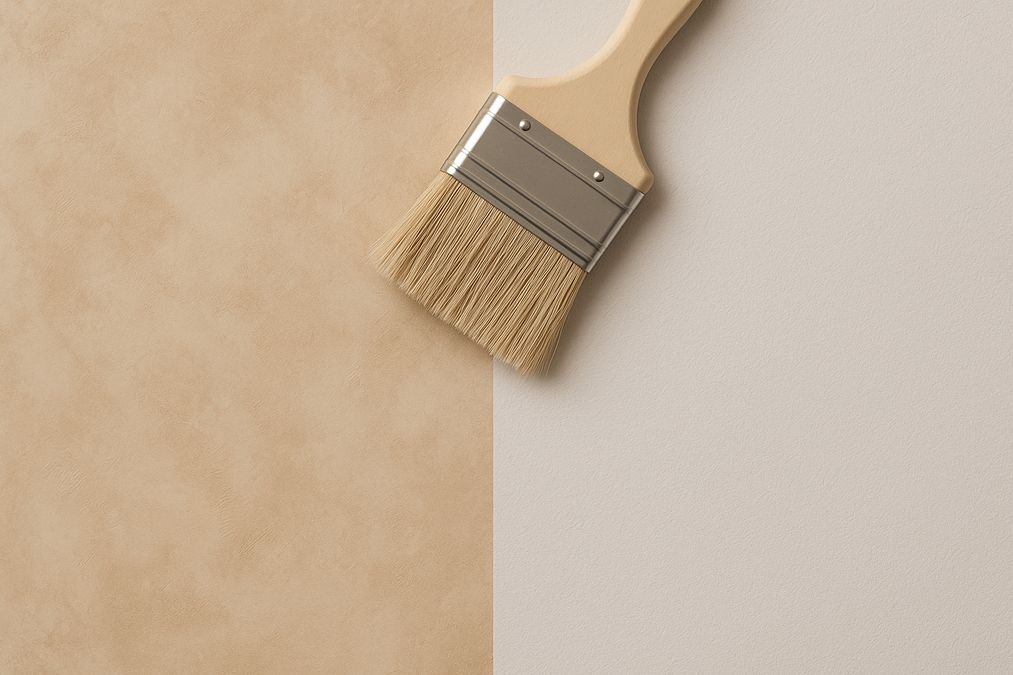
Why Texture Matters in Paint Selection
Texture isn’t just about aesthetics—it profoundly impacts light reflection, maintenance, and the ambiance of your space. From a tactile, centuries-old limewash look to the smooth uniformity of modern paint, choosing the right finish creates either a timeless, gently weathered effect or a crisp contemporary backdrop. Clients often ask: what will this feel like on my wall? How does it change the mood of a room? Here’s our practical breakdown.
What Is Limewash Paint? Understanding This Classic Finish
Limewash is made using crushed limestone and water, sometimes with mineral pigments. Applied in multiple thin coats, the result is a soft, cloudy finish with subtle variations. It’s breathable, natural, and depends on absorption to create its characteristic look.
- Ideal for: Living rooms, bedrooms, boutique retail spaces, restaurants, heritage homes, and feature walls.
- Best applied to: Unpainted plaster, brick, stone, or mineral-based wall surfaces.
- Texture: Velvety, matte, with depth and movement that changes with lighting and viewing angle.
Many customers are surprised to learn that limewash doesn’t behave like regular paint—its beauty comes from subtle imperfections, layering, and the interaction with real mineral surfaces.
What Is Regular Paint? Types, Texture, and Application
In this context, “regular paint” means modern latex, acrylic, or oil-based wall paints. These are engineered for consistency and coverage, typically available in matte, eggshell, satin, and gloss finishes. They include binders that let them stick to a wide variety of primed surfaces, from drywall to previously painted walls.
- Ideal for: High-traffic rooms, bathrooms, kitchens, offices, and anywhere durability is key.
- Texture: Usually smooth and uniform—matte for a soft look, or a subtle sheen depending on chosen finish.
- Surface compatibility: Can be applied to primed drywall, wood, masonry, and more.
For more detailed distinctions between latex and acrylic paints, see Difference Between Latex Paint and Acrylic Paint for Home Use in Toronto 2026.
Differences in Texture Between Limewash Paint and Regular Paint
This is where the biggest contrast appears, both visually and under your hand.
| Aspect | Limewash Paint | Regular (Latex/Acrylic) Paint |
|---|---|---|
| Surface Feel | Powdery, velvety, matte & uneven Somewhat porous and cool to the touch |
Smooth, even, sometimes slick (esp. in satin or gloss) |
| Depth & Movement | Visible movement & tonal variation Each coat adds depth—unique finishes every time |
Flat, uniform color & texture No natural variation |
| Light Reflection | Softly diffuses light, reduces glare Walls take on a subtle, organic glow |
Finish dependent—matte absorbs, gloss reflects strongly |
| Repairability | Touch-ups blend in seamlessly | Touch-ups can stand out—often requires repainting larger sections |
| Hand Feel | Textured, tactile (but not rough) | Smooth, cool, and often “lifeless” to the touch |
In our experience, designers choose limewash where they want a welcoming, enveloping backdrop—never too flat or artificial. Regular paints shine where uniformity and effortless cleaning matter.
Limewash Paint Texture—What to Expect When You Touch It
- Matte and velvety: Absorbs light, drawing attention to the surface movement.
- Soft but mineral: Feels dry, like the stone or plaster beneath.
- Natural imperfections: Adds character—the finish is designed to display subtle brush marks, layering, and diffusion.
- Unique with every wall: Substrate, application method, and layering all lead to one-of-a-kind results.
Regular Paint Texture—A Snapshot
- More predictable: Designed for uniform appearance from can to wall.
- Highly tunable: Choose from ultra-flat matte to high-gloss for different rooms or needs.
- Smooth: Rollers and sprayers minimize texture; brushmarks are often undesirable (except in some decorative techniques).
- Easy to clean: Especially with eggshell, satin, or semi-gloss—ideal for kitchens, bathrooms, or kids’ rooms in busy Toronto homes.
Factors to Consider When Choosing Between Limewash and Regular Paint
Choosing between limewash and regular paint isn’t just a matter of style—it’s about the performance, feel, and impact on your living or working environment. Here’s what our Toronto clients should weigh:
- Substrate: One of the most common mistakes homeowners make is applying limewash over a previously painted or sealed wall. Limewash needs raw, absorbent surfaces like plaster, stone, or brick. Modern paints work on nearly all primed surfaces.
- Room type: We recommend limewash for living rooms, bedrooms, boutique stores, and restaurants—anywhere a sense of warmth and layering is wanted. Regular paint is best for bathrooms, kitchens, hallways—places that see moisture and require cleaning.
- Lighting: Limewash texturally transforms under different light. North-facing rooms in Toronto benefit from its warmth; regular paints are more static and less susceptible to variations caused by the city’s long winters and short summer nights.
- Maintenance: While limewash touch-ups blend beautifully, it’s slightly trickier to clean than latex paint. In high-traffic or high-touch areas, many pros combine both—limewash for feature walls, latex/acrylic for durability where it counts.
- Longevity: Limewash naturally patinas with age, enriching over time. Modern paints are engineered for many years of use but can show touch-ups as new layers may not match perfectly.
- Design intent: If you want organic, ever-changing beauty—limewash. If you want precision and reliability, pick regular paint.
When to Choose Limewash over Regular Paint
Limewash creates stunning results when matched to the right space and surface. Our industry experience suggests:
- Historic homes and restorations: Limewash is authentic and complements period details.
- Feature walls or design statements: A limewashed surface in a retail space or entry hall sets an atmosphere that regular paint can’t match.
- Natural, eco-friendly interiors: The mineral base and no-VOC content make limewash a favourite among environmentally conscious clients.
- Rooms seeking depth: When you want more than a blank canvas, limewash’s softness and movement add subtle luxury.
For more about comparing limewash, lime paints, and regular paints for Toronto homes, read our in-depth post: Understanding the Difference Between Limewash and Limewash Paint in Toronto.
Pro Insights: Common Missteps with Limewash Finishes
- Applying over sealed or previously painted surfaces—limewash won’t bond properly unless the wall is absorbent.
- Expecting uniform coverage—embrace its character; attempts to “even out” the surface will lose the effect.
- Choosing the wrong room—avoid in humid, frequently cleaned spaces unless sealed with breathable topcoats.
- Underestimating prep—proper cleaning and priming (with mineral-specific products) are required for best results.
When to Choose Regular Paint over Limewash
Regular paint is preferred when:
- Durability is essential: Busy family homes and high-traffic commercial spaces need resilience.
- Colour matching: Needing to replicate precise corporate colours, brand palettes, or repair sections flawlessly.
- Sheen is desired: When reflecting light or creating a crisp modern look, latex paints offer choices limewash can’t replicate.
- Moisture resistance is key: Washable paints are better for kitchens, baths, and mudrooms prone to splashes and stains.
For guidance on product selection by room and interior needs, see How to Choose Between Latex and Acrylic Paint for Interior Walls in 2026.
How Texture Impacts Design: Lighting, Mood, and Maintenance
- Lighting: Limewash diffuses daylight, reducing harsh shadows—great for home offices or living rooms where soft light is desired. Regular paint can amplify or mute light depending on finish.
- Mood: Limewash feels historical and handmade; regular paint signals modernity and order. The mood shift is distinct and worth considering for branding, hospitality, or home comfort.
- Maintenance: Busy families often prefer washable paints for hallways and playrooms. For bedrooms or dens, texture and patina may matter more than scrubbability.
What About Venetian Plaster and Other Textured Finishes?
For clients seeking even greater texture, Venetian plaster offers unparalleled depth, movement, and subtlety—balancing the best of both limewash and decorative paints. Unlike paint, it’s a true mineral plaster finish that can mimic limestone or marble textures. Learn more on our Venetian Plaster page.
Combining Wall Finishes for Maximum Impact
One of our most effective strategies is combining finishes to suit each room’s needs. For example:
- Limewash on feature walls in living rooms or dining rooms; regular paint in high-traffic hallways and kitchens.
- Venetian plaster or textured decorative paints in entryways to create a wow-factor the moment you open the door.
- Wallpaper or specialty finishes in powder rooms or offices for drama and individuality. Explore wallpaper options here.
Tools, Products, and Services for Perfect Walls
- venetianplastershop.ca – Toronto’s specialist in Venetian plaster, decorative paints, wallpaper, feature walls, and hands-on workshops. The shop supplies only the best Giorgio Graesan Italy products for both pros and homeowners.
- Professional installation services – Especially for limewash and Venetian plaster, skilled application ensures flawless, authentic results.
- Consultation and design guidance – Getting advice on substrate prep and product compatibility is key. Contact our team for recommendations based on your goals, surfaces, and budget.
Real-World Advice: What Professionals Recommend
- Start with a sample: Always test finishes on a small wall area before committing—especially if you are new to limewash. Lighting changes everything.
- Expect evolution: Limewash develops patina and depth with age. Some homeowners love this aging; others prefer the forever-fresh appearance of latex paint.
- Mix methods: Many designers use limewash, plaster, or wallpaper to highlight certain zones and regular paint to surround them—creating richness while controlling cost and maintenance.
- Invest in prep: A smooth, properly primed wall is always worth the effort—no matter which finish you choose.
Budget Considerations and Cost Comparisons
Cost matters, especially for larger renovation and commercial projects. Here’s what we usually advise:
- Limewash: Slightly higher upfront cost for materials and skilled labour, but offers unique style and longevity. Touch-ups are generally simple if you save leftover product.
- Regular paint: Generally lower material and application costs, especially for DIYers. More frequent repainting in high-wear areas may offset lower initial investment.
- Venetian plaster and specialty finishes: Premium price point, but highest impact and longest lifespan. Great ROI for feature zones and statement walls.
Our team is happy to discuss project planning to optimize your budget across multiple wall surfaces.
FAQs: Texture Differences Between Limewash and Regular Paint
- Can limewash go over existing paint? Not without proper mineral priming. Limewash needs a porous surface to bond.
- Is limewash more “rustic” than regular paint? Yes, it’s typically more textural and cloud-like. However, with skilled application, it can be subtle and sophisticated.
- Will limewash feel cold or damp to the touch? No, but it will feel “dry” – that mineral feel is part of the charm but shouldn’t seem uncomfortable.
- Which shows imperfections more? Limewash embraces them for beauty, while regular paint can highlight wall flaws if the prep isn’t perfect.
- Is specialized maintenance needed? For limewash—gentle spot cleaning and touch-ups. For regular paint—just wipe clean. Both benefit from professional installation.
Summary: Making the Right Choice for Your Toronto Space
The texture you choose—limewash or regular paint—affects not just how your walls look, but how your space feels and functions. Rely on expert product selection, deliberate design pairing, and skilled installation for standout results. Homeowners, designers, and contractors trust venetianplastershop.ca for hands-on product expertise, Toronto’s widest range of finishes, and guidance from initial ideas to flawless installation.
Ready to transform your space? Contact our team at venetianplastershop.ca for advice, samples, or to schedule a design consultation, installation, or workshop.
STAY IN THE LOOP
Subscribe to our free newsletter.

Choosing the right wall finish for your Toronto home, business, or design project is not simply a matter of style—it’s a decision that impacts durability, maintenance, cost, and even the value of your property. One recurring question we hear from homeowners, designers, and contractors is: when can decorative paint stand in for traditional plaster walls, […]
Looking for an affordable way to create the luxurious look of plastered walls—without the cost or hassle of traditional plasterwork? Whether you’re a homeowner, an interior designer, or a contractor in Toronto, mastering affordable decorative paint techniques to mimic plaster finish can transform residential or commercial spaces dramatically. Our expert team at venetianplastershop.ca shares must-know […]
Decorative wall finishes can transform an ordinary space into one that feels custom-designed and inviting. However, many Toronto homeowners, designers, and contractors often face two big concerns: achieving the high-end look of plaster finishes—such as Venetian plaster, limewash, or textured surfaces—on a reasonable budget, and understanding which affordable decorative paint techniques offer the best blend […]
Introduction: Understanding Your Decorative Finish Options in 2026 If you’re planning to give your Toronto home, retail store, or office a fresh new look in 2026, you’ve likely considered decorative finishes. But one of the biggest decisions you’ll face is whether to use a DIY paint kit or invest in professional decorative finishes like Venetian […]