
by Glorifix
Share
Share
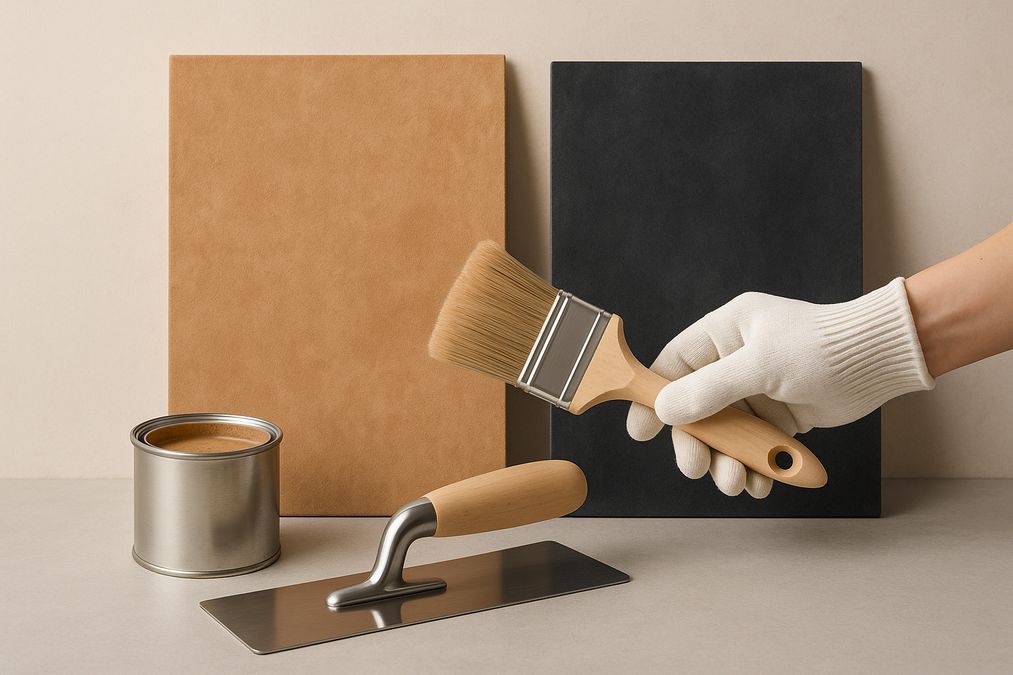
Why Choose Suede or Velvet Paint Effects?
For clients seeking elegance, warmth, and subtle drama, few finishes compare with the nuanced texture of suede or the plush depth of velvet effects. These looks work especially well in:
- Living rooms and bedrooms: for comfort and visual interest
- Offices and commercial spaces: to add sophistication and dimension without overwhelming the decor
- Accent walls or feature panels: when you want a conversation piece
- Retail settings: for a luxurious, memorable ambiance
Many customers ask about the difference between authentic suede/velvet materials and paint effects. While nothing can exactly replicate the hand-feel of real fabric, high-quality decorative paints come impressively close—and require less maintenance, are easier to clean, and don’t trap dust or allergens like fabrics. Suede and velvet effects are also more flexible to install than heavy wall fabric or paneling, especially in tricky Toronto condos or older homes with uneven walls.
Understanding Suede vs Velvet Paint Effects
In our experience, it’s important to clarify terminology before shopping:
- Suede paint effects mimic the lightly napped texture and soft shading of real suede leather. The look is subtle, matte, and absorbs light, making it ideal for cozy, relaxing spaces. The effect is created via application technique and specialty paint loaded with fine fillers.
- Velvet paint effects offer a deeper, plush look with enhanced colour richness. Some products include mica or pearlescent particles for a gentle sheen and reflective quality that changes under light.
Comparison Table: Suede vs Velvet Paint Effects
| Feature | Suede Effect | Velvet Effect |
|---|---|---|
| Texture | Soft, matte, napped | Plush, gently iridescent |
| Light Reflection | Absorbs, minimal sheen | Subtle glow, thin reflective layer |
| Durability | Good, can touch up easily | Good, may show marks if dark colour |
| Installation | Requires technique, forgiving | Requires skill, less forgiving |
| Best Rooms | Bedrooms, home offices, living rooms | Feature walls, retail, formal dining, lobbies |
| Maintenance | Easy, cleans like matte wall paint | Easy, but beware scuffs on darker tones |
| Cost | $$ | $$$ (slightly higher due to finishes) |
Essential Tools & Products for Suede and Velvet Paint Effects
While some Toronto DIYers try to improvise these effects with standard latex paint and sponges, professionals use specific tools and products designed for consistency and a refined finish. Here’s what we recommend—and what’s available locally:
- High-quality specialty paints:
Look for trusted suppliers like venetianplastershop.ca, which carries Italy’s Giorgio Graesan suede and velvet effect lines. These are engineered for easy application, deep colour, and stain resistance. - Synthetic suede/velvet applicators:
Often included in DIY kits, but better results come from large, flat wall brushes with soft bristles or dedicated microfiber pads. - Prep tools: 120-180 grit sandpaper, fillers for patching, painter’s tape, and drop cloths.
- Basecoat paint: Coordinating eggshell or matte finish for adhesion and uniformity.
- Optional: Trowels or spatulas for more dramatic texturing, and plastic sheeting to protect adjacent surfaces.
- Professional installation: For large or commercial jobs, we suggest involving a Toronto-based finisher familiar with the techniques and products.
Step by Step: How to Create Suede and Velvet Paint Effects
If you’re planning a DIY project, or overseeing contractors, follow these expert-approved steps for best results in 2026:
- Surface Prep – The Foundation of Any Lasting Finish
- Repair cracks, holes, or loose plaster. Uneven texture or surface flaws will be highlighted by specialty finishes.
- Lightly sand glossy or patched areas to a uniform finish.
- Clean surfaces to remove dust, grease, or residue. Even in newly renovated Toronto homes, dust and construction residue are common culprits for adhesion failure.
One of the most common mistakes homeowners make is skipping this stage—be thorough to ensure durability.
- Prime with Compatible Basecoat
- Apply a base colour in an eggshell or matte finish close to your final effect. This means fewer coats of expensive specialty paints and a truer colour.
- Allow full drying time (overnight in humid Toronto basements or winter months).
- In high-traffic or commercial spaces, consider an additional primer for stain blocking.
- Mark Off Edges and Protect Surroundings
- Use painter’s tape along ceilings, baseboards, and around outlets. For accent panels, use levels and chalk lines for precision.
- Many pro installers in Toronto use plastic sheeting since decorative paints can splatter if overworked.
- Apply the First Coat of Suede/Velvet Paint
- Load the specialty brush or pad sparingly and roll/brush the product onto the wall in ‘X’ or criss-cross motions to organically build texture.
- Work in smaller sections (about 1m x 1m), maintaining a wet edge to prevent visible lines.
- Some velvet effect paints include reflective particles that float to the surface; avoid over-brushing, which can dull the effect.
- Let It Dry Thoroughly (Usually 4-8 Hours)
- Add the Second Coat for Depth and Texture
- Using a clean, dry tool, repeat the same pattern, but focus on softening and blending any harsh lines.
- This ‘broken’ or overlapping strokes technique is what creates that touchable suede or opulent velvet look. Many customers are surprised by how forgiving and enjoyable this process can be.
- Inspect and Touch Up
- Once dry, examine from side angles to ensure an even texture and colour.
- Touch up patchy or heavy areas with a light hand—less is more.
- Cure and Protect
- Avoid cleaning, taping, or brushing against the wall for at least 7 days after final application.
For detailed visual demonstrations suited to Toronto’s climate and construction, explore our step by step DIY paint techniques guide.
Professional Tips and Common Mistakes
- Test colours in your room’s actual lighting—suede and velvet paints look different under cool north-facing light than direct sunlight.
- Don’t skip the basecoat stage—it reduces the ‘patchwork’ effect and saves money on specialty paint.
- Watch for lap marks—if your roller or brush starts to drag or the wall feels sticky, stop and reload with fresh paint to keep texture flowing.
- Select the right sheen—velvet effects with pearlescent qualities work best on smooth, prepped walls without major surface inconsistencies.
- Be careful in high-traffic corridors—these finishes can mark more easily if deep, bold shades are used; opt for mid-tones or specify a durable topcoat if needed.
- For touch-ups, feather gently—over-brushing can flatten the effect and create visible touch-up marks.
Choosing Products: Key Buying Advice
- Buy from experienced suppliers: venetianplastershop.ca stocks curated lines proven to perform in Toronto’s climate and with easy-to-understand instructions in English and Italian.
- Ask about sample pots before committing to large cans—colours and finishes look very different under LED, halogen, and natural light.
- Always check compatibility with base paints/primers—incompatible brands may not bond properly or show ‘ghosting’ (especially in Toronto’s older plaster and lath homes).
- Look for washability ratings if the finish is for kids’ rooms, kitchens, or public spaces—better products handle regular cleaning.
How Does Decorative Paint Compare to Other Wall Finishes?
| Finish Type | Durability | Appearance | Maintenance | Ideal Rooms |
|---|---|---|---|---|
| Suede/Velvet Decorative Paint | Good | Textured, soft, elegant | Easy | Living, bedrooms, feature walls, lobbies |
| Venetian Plaster | Excellent | Marbled, highly luxurious, depth | Very easy; wipeable | Entrances, bathrooms, kitchens, luxury spaces |
| Wallpaper | Varies (moderate to high) | Printable texture, patterns, metallics | Spot clean or wipe | Hallways, accent walls, retail, offices |
| Standard Emulsion Paint | Good | Flat or low-sheen; no texture | Easy | General use, rapid installation |
When helping homeowners choose between wall finishes in 2026, we often recommend suede or velvet paint for projects where you want tactile appeal and visual softness, but want to keep costs below Venetian plaster or want a faster installation than wallpaper. Sometimes, combining finishes—like a single velvet accent wall with smooth matte paint—creates the most dynamic rooms.
Budgeting and Planning Advice
- Expect to pay more than for standard paint—specialty finishes cost more per litre but cover similar square footage.
- Labour is the key variable—professional application costs more, but the result is more seamless and durable, especially for velvet effects on large walls or with multiple colours.
- Order extra paint for future touch-ups—batch variation is common, and colour shifts can be more apparent with textured finishes.
- Plan for downtime—rooms may be out of action for 24–48 hours to allow for proper curing and off-gassing, particularly relevant in Toronto condo renovations or commercial spaces needing quick turnarounds.
Care and Maintenance Tips
- Gently dust with a microfiber cloth—avoid rough sponges that can flatten the effect or leave shiny patches.
- For stubborn marks, use a soft cloth dampened with mild soapy water. Avoid abrasive cleaners.
- Repaint or feather touch-up areas every 5–7 years, depending on wear and UV exposure.
- In high humidity spaces (like Toronto’s lakefront condos), maintain good circulation to prevent mildew, although most modern suede/velvet paints include anti-mould additives.
Can You Paint Over Old Decorative Paint?
Many Torontonians are keen to refresh walls with new trends but are unsure if they need to fully strip old suede, velvet, or faux effects. The short answer: Provided the old finish is sound, clean, and adhered well, you can usually prime and apply new decorative paint right on top. For more on this, see: Is it safe to paint over old paint in Toronto homes?
Frequently Asked Questions from Toronto Homeowners & Designers
- Can these finishes be used in kitchens or bathrooms?
- Yes, but use a high-performance product and consider a protective clear topcoat for areas prone to splashes or steam. Venetian plaster is often a more robust choice for bathrooms and kitchens due to its moisture resistance. Learn about Venetian Plasters.
- Will the effect hide or highlight wall imperfections?
- Suede and velvet paint effects can slightly disguise minor surface flaws due to diffuse light reflection. However, severe damage (deep cracks, ridges) should always be patched and sanded first.
- Which colours look best?
- Earth tones, greys, and soft jewel colours deliver the most authentic suede look. Deep blues, emeralds, and rich reds create a striking velvet effect. It’s always best to test several samples on your wall in the actual room’s light before purchasing.
- Can I apply wallpaper over suede or velvet paint?
- Yes, but ensure the wall is clean, smooth, and primed for wallpaper adhesion. Learn more about statement wallpapers at Venetian Plaster Shop’s wallpaper selection.
- How long does the finish last?
- With good prep and quality paint, expect 5–7 years of vibrant texture. High-traffic or sun-exposed spaces may show wear sooner but can be easily refreshed with a single new coat.
When to Hire a Professional vs DIY?
- If you want a flawless, show-stopping feature wall or a high-traffic commercial installation, we recommend professional application—especially for velvet effects or multi-colour finishes.
- DIY is achievable for small rooms, accent walls, or if you enjoy hands-on projects. Start with smaller, less visible spaces to build skill before taking on large walls or commercial jobs.
- Consider attending a hands-on workshop before starting a big job. Expert-led classes at Venetian Plaster Shop provide live demonstration, material guidance, and insider tips that videos can’t replace.
Other Decorative Wall Solutions to Consider
If you’re exploring your options, here’s when we recommend alternative finishes:
- Venetian plaster: For a marble-like, ultra-durable finish with depth and movement. Best in residences or commercial spaces needing a statement wall or moisture resistance.
- Textured wallpapers: If you want bold patterns or a metallic look that can’t be achieved with paint alone.
- Metallic or limewash decorative paints: For unique, modern looks that pair well with minimalist or industrial design.
Get Started with Suede and Velvet Paint Effects in Toronto
Suede and velvet paint effects offer Toronto homeowners, designers, and contractors a tactile, inviting alternative to plain painted walls or wallpaper. With the right products, techniques, and planning, you can achieve truly impressive results that last. For premium-grade decorative paints, Giorgio Graesan products, expert guidance, certified workshops, and professional installation, Venetian Plaster Shop is your trusted local supplier.
Ready to transform your space? Contact us today for personalized product, design, and installation advice. If you’re interested in mastering hands-on applications, sign up for our upcoming workshops and learn directly from Toronto’s leading wall finish specialists.
STAY IN THE LOOP
Subscribe to our free newsletter.
Choosing the right wall finish for your Toronto home, business, or design project is not simply a matter of style—it’s a decision that impacts durability, maintenance, cost, and even the value of your property. One recurring question we hear from homeowners, designers, and contractors is: when can decorative paint stand in for traditional plaster walls, […]
Looking for an affordable way to create the luxurious look of plastered walls—without the cost or hassle of traditional plasterwork? Whether you’re a homeowner, an interior designer, or a contractor in Toronto, mastering affordable decorative paint techniques to mimic plaster finish can transform residential or commercial spaces dramatically. Our expert team at venetianplastershop.ca shares must-know […]
Introduction: Understanding Your Decorative Finish Options in 2026 If you’re planning to give your Toronto home, retail store, or office a fresh new look in 2026, you’ve likely considered decorative finishes. But one of the biggest decisions you’ll face is whether to use a DIY paint kit or invest in professional decorative finishes like Venetian […]
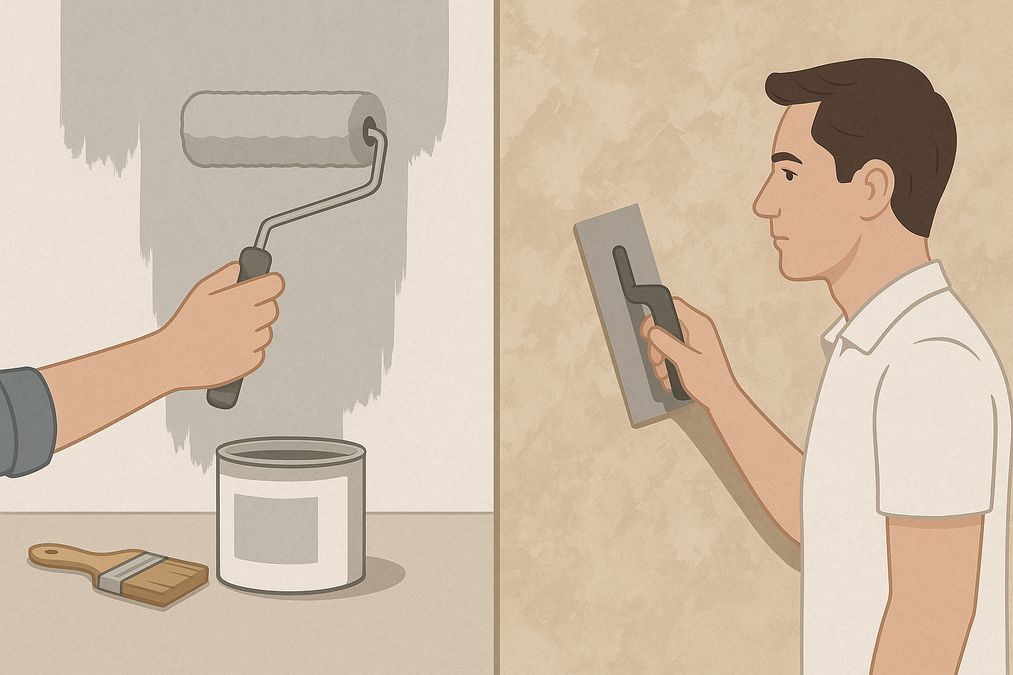
Decorating a wall is no longer a simple colour swap—Toronto homeowners, business owners, and designers seek distinctive finishes to set their interiors apart. With the rise of both DIY paint kits and access to professional decorative finishes, the question many clients are asking in 2026 is: should you go DIY or hire a pro for […]