
by Glorifix
Share
Share
Introduction: Decorative Painting Techniques That Transform Toronto Spaces
Every homeowner, designer, and contractor in Toronto faces the same critical question when planning a renovation or refresh: how do you create a memorable, beautiful space without overwhelming your budget? Over years helping clients in residential and commercial projects, we’ve seen one answer consistently stand out—decorative paint techniques applied using simple tools like sponges, rags, and combs. These artisanal techniques create depth, character, and a sense of custom artistry, often replicating the look of luxury wall finishes at a surprisingly accessible price point. But mastering these finishes requires far more than just buying a sponge at a hardware store. In this post, our Toronto-based experts break down how to use sponge, rag, and comb for decorative paint techniques—with practical advice, common mistakes to avoid, and creative recommendations built on years of real-world experience.
What Are Sponge, Rag, and Comb Decorative Paint Techniques?
Before you begin, it’s important to know what sets these techniques apart:
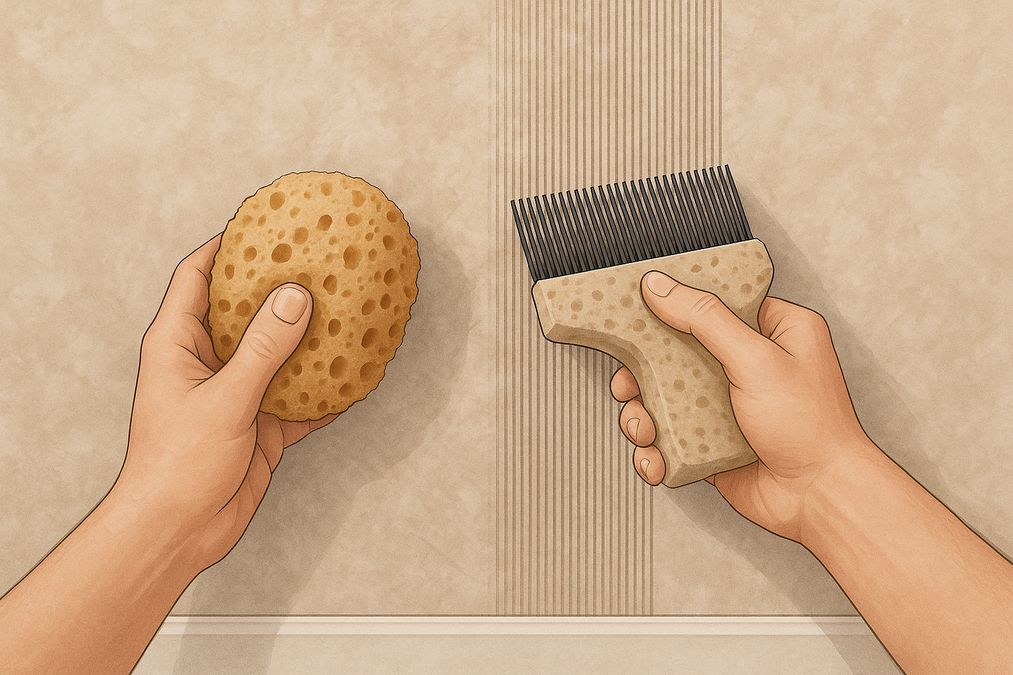
- Sponge Painting: Uses a natural sea sponge or special painting sponge to create gentle, organic textures and nuanced colour variations.
- Rag Rolling (Ragging): Involves rolling or dabbing a loosely twisted cloth or rag against wet paint for marbled, soft, or faux-aged effects.
- Combing: Pulls a tool with uniform (or artistic) teeth through still-wet glaze or paint, producing subtle stripes, woodgrain, or intricate patterning.
These methods are especially popular in Toronto’s historic homes, trendy condos, boutiques, and feature wall applications—where you want something more compelling than plain paint but less formal than wallpaper or Venetian plaster. Each technique delivers a custom look, and, with the right preparation, is suitable for DIYers as well as professionals.
Tools and Materials: Industry Recommendations from Toronto Professionals
Many homeowners make the mistake of using low-quality sponges or rags, resulting in uneven or unnatural textures. Based on our experience, here are the key materials you’ll need:
- High-quality decorative paints or glazes – Products from venetianplastershop.ca are highly recommended, especially those sourced from Giorgio Graesan Italy, for exceptional ease-of-use and visual impact.
- Natural sea sponge or high-density painting sponge (for sponging)
- Linen, cotton, or cheesecloth rags free of lint and dye (for ragging)
- Specialty paint combs or graining tools (available through professional suppliers and at venetianplastershop.ca)
- Quality painter’s tape and drop cloths – Always protect trims and floors.
- Multiple paint trays and buckets for mixing and feathering colours.
- Latex or nitrile gloves for clean, efficient work.
At venetianplastershop.ca, our specialists will happily advise on which tools work best for your desired effect and can supply everything needed in Toronto—including luxury Venetian plaster, metallics, and washable paints ideal for high-traffic commercial settings.
Step-By-Step: How to Use Sponge, Rag, and Comb for Decorative Paint Techniques
While each technique has its own nuances, the foundation for professional results is always thorough surface preparation and planning. Here’s how the process unfolds:
1. Assess and Prepare Your Walls
- Clean and repair: Fill holes, sand smooth, and ensure walls are free from grease, dust, or peeling paint.
- Prime: When working on previously painted, patched, or highly absorbent surfaces, a primer is essential for even absorption.
- Test Patch: Many Toronto homes have unique wall textures (e.g., old plaster); always test a hidden area first.
2. Base Coat Application
Most decorative finishes rely on a dry, solid-colour base coat. Choose a washable, low-sheen paint in your main background colour. Allow it to dry thoroughly. A common misstep is rushing this stage—paint must be fully cured to prevent smears and uneven effects.
3. Mixing and Preparing the Glaze or Topcoat
For subtle, layered looks, professionals mix decorative glaze with colourant. The ratio is typically 4 parts glaze to 1 part paint, but always check your product’s instructions. Mixing two or three tonally-related shades produces natural-looking depth—a technique we often recommend to clients wanting a luxury effect with less effort than Venetian plaster.
4. Applying the Decorative Finish
Sponge Painting Technique
- Dampen the natural sponge and wring out thoroughly (it should be barely moist).
- Dip lightly into the mixed glaze. Dab onto a paper towel to remove excess.
- Gently pounce the sponge against the wall, starting from a corner and working in manageable 1–2m2 sections. Rotate the sponge frequently for random, organic patterns. Avoid overloading—less is more.
- For complex effects, layer two or three glaze colours, allowing brief drying time between, or use a clean dry sponge to gently soften harsh spots.
Rag Rolling Technique
- Twist a damp lint-free cloth into a loose rope or pad.
- Dip lightly into glaze and offload the excess.
- Roll or dab the rag onto the wall in irregular motions. If rolling, gently rotate the cloth to vary the pattern and avoid lines.
- For finer textures, scrunch the rag tighter. For softer effects, open it up.
- Layer glazes for added depth or use complementary colours for dramatic, antique looks.
Combing Technique
- Quickly apply a thin, even coat of tinted glaze over the prepared base (work in small sections; glaze dries fast).
- Pull your comb tool through the glaze in straight or wavy lines, crossing as desired for effects like crosshatch, woodgrain, or chevron patterns.
- Wipe the comb clean after every pass for crisp, consistent results.
- Practice on cardboard first. Many homeowners rush this process, resulting in uneven or smeared lines—take your time and step back regularly to check the pattern.
Common Mistakes and How to Avoid Them
- Using poor-quality tools: Cheap sponges or rags will shed and create unsightly textures. Invest in professional-grade supplies from trusted specialists like venetianplastershop.ca.
- Skipping test patches: Wall texture and paint absorption vary by room and even season in Toronto homes—always trial your full process first.
- Overworking or repeating patterns: Try not to “overthink”—natural, imperfect applications are more appealing.
- Not working in small sections: Glaze can dry quickly, especially in heated modern homes or sunlight; stick to 1–2m2 at a time.
- Neglecting lighting effects: Always consider how your chosen finish appears under natural and artificial light—a beautiful effect can disappear if underlit or look stark in harsh daylight.
Choosing the Right Technique for Each Room and Application
One of the most common customer questions we hear in Toronto is, “Which finish is best for my space?” While all three techniques can elevate a project, here are some room-specific recommendations drawn from our team’s practical experience:
- Sponging works beautifully in living rooms and bedrooms where softer, subtle textures are desired. It also pairs well with feature wall sections in restaurants and boutiques.
- Rag Rolling is ideal for entryways or powder rooms where you want a unique, slightly antique feel—the layered translucency helps disguise minor wall imperfections.
- Combing excels in modern offices, dining rooms, or boardrooms where geometric or woodgrain patterns add sophistication. It’s frequently chosen for accent walls behind reception desks and main retail displays.
For those aiming for maximum impact, consider mixing techniques—sponge a base layer, rag gently over it, and finish with subtle combed details. Our professionals routinely help clients combine finishes for truly customized results.
Toronto Homeowners: When to Use Decorative Paint vs Wallpaper or Venetian Plaster?
| Finish | Look/Texture | Durability | Maintenance | Best Rooms | Cost Range |
|---|---|---|---|---|---|
| Decorative Paint (Sponge/Rag/Comb) | Custom textured, from subtle to bold | Good (washable topcoats recommended) | Easy (touch-up possible) | Living, bedrooms, feature walls, offices | $$ (DIY-friendly) |
| Wallpaper | Consistent pattern, huge design options | Varies; some peel, others highly durable | Can stain/tear; not all are washable | Kitchens, children’s rooms, statement walls | $$–$$$ (install labor can add cost) |
| Venetian Plaster | Ultra-luxurious, marble-like depth and shine | Excellent (decades with care) | Wipeable, low maintenance | Bathrooms, foyers, commercial lobbies | $$$–$$$$ (professional installation advised) |
The best choice depends on your goals, expected traffic, and personal taste. Decorative painting shines when you want custom, flexible looks and are working within a moderate budget. For high-moisture areas or high-traffic spaces, we often recommend Venetian plaster or specially designed wallpapers available from venetianplastershop.ca.
Expert Insights: Budgeting, Maintenance, and Longevity
Budget: If you’re budget-conscious but crave a luxe effect, start with sponging or rag rolling in smaller rooms or on a single feature wall. Factor in the cost of premium paints/glazes from Giorgio Graesan Italy for optimal results—the difference in coverage and finish is well worth it compared to hardware store brands.
Maintenance: Most decorative paint finishes require little more than gentle dusting and occasional spot cleaning. For kitchens, bathrooms, and entryways, use products specifically rated for enhanced washability available at Toronto’s top decorative paint suppliers.
Longevity: Proper surface prep, quality topcoats, and using glazes instead of watered-down paint all add years to the life of your paint technique—reducing the need for frequent touch-ups.
Design and Colour Tips from Toronto Decorative Finish Experts
- Layer tones within the same colour family for a high-end, subtle effect. Many customers assume bold contrast is necessary, but tonal gradations suit most Toronto interiors.
- Consider north vs. south-facing rooms: Cool-toned glazes work better in sunny rooms; warm glazes help brighten shaded, north-facing spaces.
- Accent with metallic or pearlescent glazes for upscale condos, boutiques and restaurants—these finishes are especially striking in low, warm lighting but should be used sparingly.
Not sure which paint or finish will suit your space best? Consult with venetianplastershop.ca for expert, room-specific guidance.
Where to Buy High-Quality Decorative Paint Supplies in Toronto
Many Toronto customers ask where to find pro-level paints and specialty tools. We strongly recommend sourcing from specialists who offer both hands-on advice and the right materials for these techniques. For Italian-made decorative paints, wide selection of glazes, and all tools needed for sponge, rag, and comb finishes, visit venetianplastershop.ca.
For more on selecting the best supplies, check our guide: Best Stores for Decorative Paint in Toronto 2026: Top Picks & Guide.
FAQs: Decorative Painting with Sponge, Rag, and Comb in Toronto (2026)
- Q: Can these paint techniques work over old paint or wallpaper?
A: Yes, with proper surface prep and priming, most walls can be transformed. Our team typically removes old wallpaper for best results—learn more about prep requirements in Common Decorative Paint Questions Answered for Toronto Homeowners. - Q: Is DIY application realistic or should I hire a pro?
A: Many Toronto homeowners successfully tackle feature walls with guidance. However, for larger projects or commercial settings, professional application ensures uniformity and longevity. - Q: What’s trending for 2026?
A: Toronto clients are requesting warm, earthy tones layered with subtle textural glazes, often combining sponging or ragging with sleek combed lines for visual contrast. Custom metallic details are on the rise for upscale spaces.
Additional Resources and Training
If you’re new to specialty wall finishes or want to deepen your skills, consider a hands-on workshop. Sign up for upcoming decorative painting and basic Venetian plaster workshops in Toronto at Venetian Plastering Basic Workshops.
Expand Your Decorative Finish Options
Beyond sponging, rag rolling, and combing, explore these other professional wall finishes offered by our Toronto specialists:
- Wallpaper – perfect for bold patterns or when repeatability is essential.
- Decorative Paints – a catalogue of specialty finishes including metallic, pearlescent, or limewash effects.
- Venetian Plaster – delivers exceptional depth, durability and timeless luxury, especially in high-impact areas.
Conclusion: Achieve Custom Decor with Confidence
Learning how to use sponge, rag, and comb for decorative paint techniques opens up a world of creative possibilities for both Toronto homeowners and commercial spaces. It’s not just about following a tutorial—it’s about working with the right products, understanding your room’s light, use, and style, and executing with care. In our years of experience, no two decorative finishes ever look exactly alike—and that’s where true artistry emerges.
Still have questions or need personalized advice on your Toronto project? Contact our team at Venetianplastershop.ca for expert consultations, product selection, workshops, and professional installation—we’re here to help you achieve stunning, durable results that elevate your space for years to come.
Ready to take the next step? Get in touch with us today and discover how decorative finishes can transform your home or business in 2026 and beyond!
STAY IN THE LOOP
Subscribe to our free newsletter.
Choosing the right wall finish for your Toronto home, business, or design project is not simply a matter of style—it’s a decision that impacts durability, maintenance, cost, and even the value of your property. One recurring question we hear from homeowners, designers, and contractors is: when can decorative paint stand in for traditional plaster walls, […]
Looking for an affordable way to create the luxurious look of plastered walls—without the cost or hassle of traditional plasterwork? Whether you’re a homeowner, an interior designer, or a contractor in Toronto, mastering affordable decorative paint techniques to mimic plaster finish can transform residential or commercial spaces dramatically. Our expert team at venetianplastershop.ca shares must-know […]
Decorative wall finishes can transform an ordinary space into one that feels custom-designed and inviting. However, many Toronto homeowners, designers, and contractors often face two big concerns: achieving the high-end look of plaster finishes—such as Venetian plaster, limewash, or textured surfaces—on a reasonable budget, and understanding which affordable decorative paint techniques offer the best blend […]
Introduction: Understanding Your Decorative Finish Options in 2026 If you’re planning to give your Toronto home, retail store, or office a fresh new look in 2026, you’ve likely considered decorative finishes. But one of the biggest decisions you’ll face is whether to use a DIY paint kit or invest in professional decorative finishes like Venetian […]