
by Glorifix
Share
Share
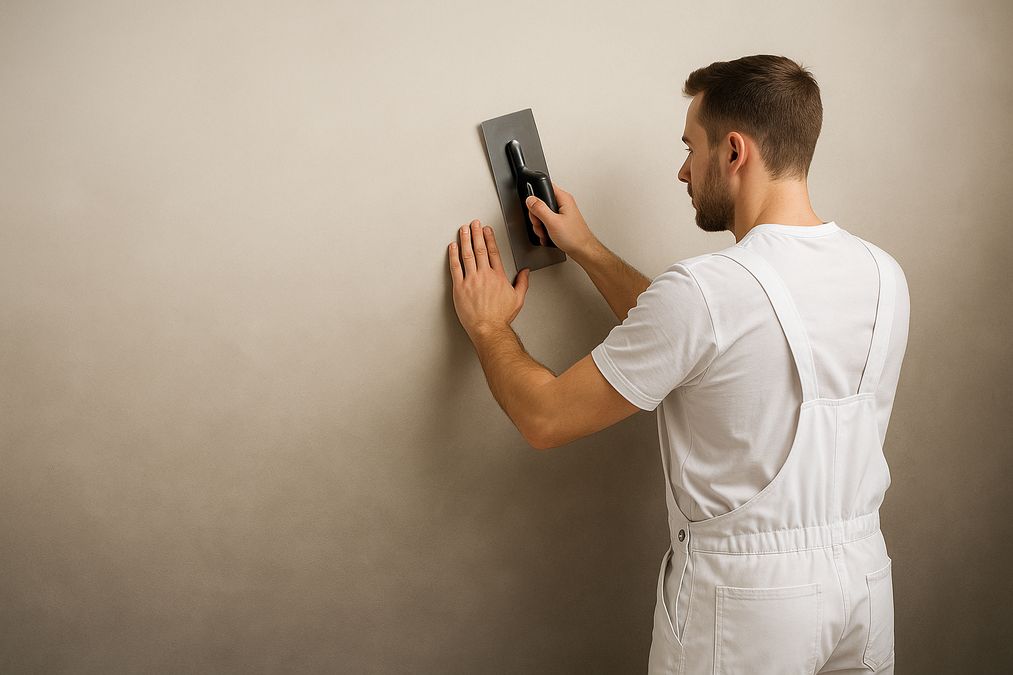
Why Choose Ombre Wall Painting?
Many customers approach us with the goal of creating a space that feels fresh, modern, and thoughtfully designed. Ombre wall painting techniques offer a creative solution for both residential and commercial projects, combining artistic impact with subtlety. Here’s why professionals and design-savvy homeowners increasingly choose ombre finishes:
- Visual Softness: Gradients soften bold colours and transitions, reducing harsh lines between hues.
- Customizability: Colour choices can be matched to furnishings, brand palettes, or architectural details.
- Depth & Dimension: The subtle blend of tones creates spatial depth, often making rooms feel larger or cozier.
- Versatile Aesthetic: Suitable for modern condos, classic Victorian homes, minimalist offices, and trend-forward retail storefronts.
- On-Trend Yet Timeless: Ombre gradients have evolved from a trend into an enduring part of contemporary design.
One of the most common mistakes we see is homeowners underestimating the complexity of achieving a truly seamless gradient—professional tools, premium materials, and disciplined technique are required for best effect.
Understanding Ombre: From Artistic Vision to Wall Finish
What Exactly Is Ombre?
Ombre (from the French “shaded” or “shadow”) describes a finish where one colour gradually transitions into another, either vertically or horizontally across a wall. Unlike standard two-tone walls or sharp-edged feature stripes, ombre creates a soft, blended look that can mimic the effect of natural light gradients or atmospheric backgrounds.
Where Ombre Works Best
- Living Rooms: Use restful gradient palettes to add interest without overpowering artwork and furnishings.
- Bedrooms: Gentle colour fades promote calm and help small spaces feel more open.
- Offices: A subtle ombre wall behind a reception desk creates an inviting focal point for visitors.
- Retail Spaces: Brand-inspired gradients can highlight merchandise or direct customer flow.
- Restaurants and Cafes: Atmospheric gradients help define mood zones—cool, fresh, or warm and welcoming.
Many customers believe bold colours are needed for impact, but in our experience, subtle tonal shifts often produce the most sophisticated—and lasting—results.
Planning Your Ombre Wall: Professional Advice
What Professionals Consider Before Painting
- Wall Condition: Gradient finishes exaggerate surface imperfections. High-quality wall prep is essential.
- See practical wall prep and repair tips before starting gradient projects.
- Lighting Conditions: Natural light enhances gradient transitions, but artificial lighting may flatten or distort colours. Consider how sun exposure and fixtures affect the wall’s final look.
- Room Usage: High-traffic commercial walls benefit from durable finishes or protective topcoats for maintenance.
- Colour Temperature: Cool gradations (blues/greens) can be calming; warm gradients (peach, terracotta) add intimacy.
- Furniture & Decor Coordination: Choose ombre palettes that complement flooring, trim, and textiles—contrast is best used sparingly.
Professional Ombre Wall Painting Techniques for Subtle Gradient Effects
Essential Tools & Materials
- High-quality painter’s tape
- Multiple synthetic paintbrushes (varied widths)
- Premium-grade paint rollers
- Large soft blending brushes or sea sponges
- Two or more complementary paint colours (test for blendability)
- Paint trays and mixing buckets
- Drop sheets and protective gear
- VenetianPlasterShop.ca for decorative paints, Venetian plaster, and top-tier wall finishes sourced from Giorgio Graesan Italy. Their expertise ensures both product quality and colour accuracy for advanced decorative effects.
In our experience, cheap materials and consumer-grade paints often fail to provide the depth or transparency needed for ombre effects—always invest in professional-quality supplies and pigments.
Expert Painting Process: Achieving a Seamless Gradient
- Prep the Surface: Repair, sand, and prime as needed for a flawless foundation. This is non-negotiable for all gradient finishes.
- Mark Your Gradient: Use a tape measure and chalk line to gently outline where each colour transition will occur. Professionals recommend soft, overlapping boundaries rather than hard lines.
- Apply the Base Coat: Roll on your lightest colour from floor to ceiling. Allow to dry completely—patience is key.
- Mix Transition Shades: In two separate trays, blend your base with small amounts of the second (darker) colour to create intermediary tones. The smoother the transition, the more refined the final effect.
- Paint in Sections: Starting from the top, use a clean brush to apply each shade in sequential horizontal bands, slightly overlapping each as you move down. Work quickly while edges are wet.
- Blend, Blend, Blend: With a soft brush or sea sponge, feather the transition lines in a gentle circular motion. Stepping back regularly helps you maintain evenness and avoid overworking any area.
- Final Touches: Once dry, lightly sand any uneven spots and re-blend if needed. Consider adding a protective matte or eggshell clear coat in high-traffic rooms.
Many customers are surprised to learn that ombre effects are more forgiving with water-based decorative paints—and far more challenging with low-quality latex. For added luxury and depth, Venetian plaster or specialty metallic glazes can also be applied by trained professionals for custom effects.
Advanced Tips for Professional Ombre Results
- Always Test on a Sample Board: Before committing to the wall, apply your intended gradient on a sample panel—professional finishers never skip this step.
- Work in Natural Light: Gradient perception changes under artificial lighting. Adjust your palette or transitions as needed.
- Limit to One Ombre ‘Feature’ Wall per Room: This maximizes the visual impact without overwhelming the space. See these expert tips for creating successful feature accent walls.
- Don’t Rush Blending: “Dry edges” are the enemy of smooth ombre walls. Always maintain a wet edge—enlist a helper or work in smaller zones for best results.
- Consider Protective Finishes in Commercial Spaces: Restaurants, stores, and high-traffic offices benefit from easy-wipe sealers or tough Venetian plaster overlays.
Product Choices: Decorative Paints, Venetian Plaster, and Alternatives
Paint vs. Venetian Plaster vs. Wallpaper: Which Ombre Method Is Best?
| Option | Durability | Installation | Maintenance | Visual Effect | Best For |
|---|---|---|---|---|---|
| Decorative Paints | Good | Intermediate (DIY) | Low | Soft, watercolour gradients | Bedrooms, offices, living rooms |
| Venetian Plaster | Excellent | Advanced (Professional) | Minimal | Luxurious, marble-like depth and subtlety | Luxury homes, focal walls, upscale retail |
| Wallpaper Ombre | Good | Moderate | Low | Perfectly uniform, repeatable gradients | Feature walls, offices, low-mess installations |
When helping customers choose among these methods, we consider budget, desired effect, timeline, and maintenance needs. Decorative paints are widely accessible for DIY with some practice. Venetian plaster, available through Venetian Plaster Toronto experts, provides truly artisanal results for those seeking unparalleled elegance and durability. Ombre wallpapers, available at Toronto’s leading wall finish store, offer a quick, repeatable solution suitable for many businesses and family homes.
Combining Finishes for Standout Spaces
Many professional designers in Toronto combine decorative paints with Venetian plaster or wallpaper to achieve layers of visual interest. For example, an ombre paint gradient can serve as a custom background for Venetian plaster stenciling or subtle metallic washes, producing a wall that feels tactile and dynamic under changing light conditions.
Troubleshooting: Common Ombre Painting Mistakes (And Solutions)
- Visible Banding: Bands or lines where colours meet indicate under-blending. Solution: Re-wet and feather the transitions with a clean dry brush until soft.
- Patchy Coverage: Paint applied too thin or over poor primer may dry unevenly. Always use premium primer and cover in two or more coats if needed.
- Overworked Paint: Repeated back-and-forth blending can create muddy or chalky spots. Solution: Work in short sections and keep a light touch.
- Too Subtle or Too Bold: Test your technique and colours first; sometimes gradients nearly disappear once dry, or become too stark if colours are mismatched.
- Peeling or Poor Longevity: This is often due to improper wall prep or low-quality products. We advise sourcing all materials from trusted suppliers like venetianplastershop.ca for peace of mind.
Room-by-Room Ombre Recommendations
Bedrooms
- Opt for tranquil hues such as misty grey-blues or soft blushes.
- Vertical gradients elongate walls and promote a restful atmosphere.
Living Rooms
- Use richer, warmer gradients (amber to mid-grey) for cozy, inviting results.
- Limit bold transitions to a single wall to anchor the room without overwhelming.
Commercial Spaces (Offices, Retail)
- Select on-brand hues that support company identity or product themes.
- Protect finishes with durable topcoats or Venetian plaster overlays for cleanliness and longevity.
Kitchens & Bathrooms
- Ombre works best in open-plan kitchens with good ventilation—avoid in high splash zones unless protected by specialty finishes.
- Limewash or Venetian plaster are better suited for moisture-prone areas, offering both beauty and resilience.
FAQs: Expert Answers to Your Ombre Wall Questions
How long does a professional ombre wall finish last?
Well-prepped and sealed ombre finishes can last 5-10 years or longer, especially with premium decorative paints or Venetian plaster. Commercial finishes may only need spot repairs every few years to address scuffs.
Can ombre walls be cleaned?
Most blends using quality water-based paints can be gently wiped with a damp cloth, but avoid abrasive cleaning. Venetian plaster finishes are even more robust and can handle routine light cleaning.
How do I select the best colours for my space?
Work from existing furnishings and use large swatches in the room’s actual lighting. Many clients benefit from an in-person colour consultation at the VenetianPlasterShop Toronto showroom.
Can I combine ombre with wallpaper or other effects?
Yes. Professionals often design ombre accent walls adjacent to patterned wallpaper or opt for a Venetian plaster or metallic overlay for added luxury. For unique inspiration, check out these creative decorative paint ideas for Toronto homes and offices.
Is DIY Ombre Painting feasible, or should I hire a pro?
Confident DIYers with patience and proper materials can achieve excellent results on single walls or in small rooms. For commercial projects, or where perfection is key, professional application is worth the investment.
Budget & Project Planning Tips
- Estimate paint and material needs carefully—blending often uses more than a standard solid-colour job.
- Factor in extra prep time and costs for old or flawed walls—proper prep is the foundation of every lasting ombre finish.
- Consider seasonal timing for painting: Spring and early fall in Toronto offer the best drying conditions.
Moving from Inspiration to Reality
Subtle ombre gradients, when executed with professional ombre wall painting techniques, elevate ordinary spaces into extraordinary showcases. Whether you’re a homeowner craving calm, a retail operator looking for impact, or an interior designer crafting a custom home, investing in the right materials, preparation, and expertise makes all the difference. For unique hybrid finishes, don’t overlook the creative potential of combining ombre paint, Venetian plaster, and wallpapers.
Ready to Transform Your Space?
If you’re ready to explore ombre finishes or need help choosing the perfect palette and products for your project, trust the specialists at Venetian Plaster Shop—Toronto’s authority on Venetian plaster, decorative paints, wallpaper, and hands-on wall finish workshops. Visit our showroom or contact us today for expert advice, the best selection from Giorgio Graesan Italy, and personalized support for every project step.
Want to master ombre techniques or other decorative wall skills? Sign up for an upcoming workshop and learn from industry-leading Toronto finishers—perfect for homeowners, designers, and contractors alike.
STAY IN THE LOOP
Subscribe to our free newsletter.
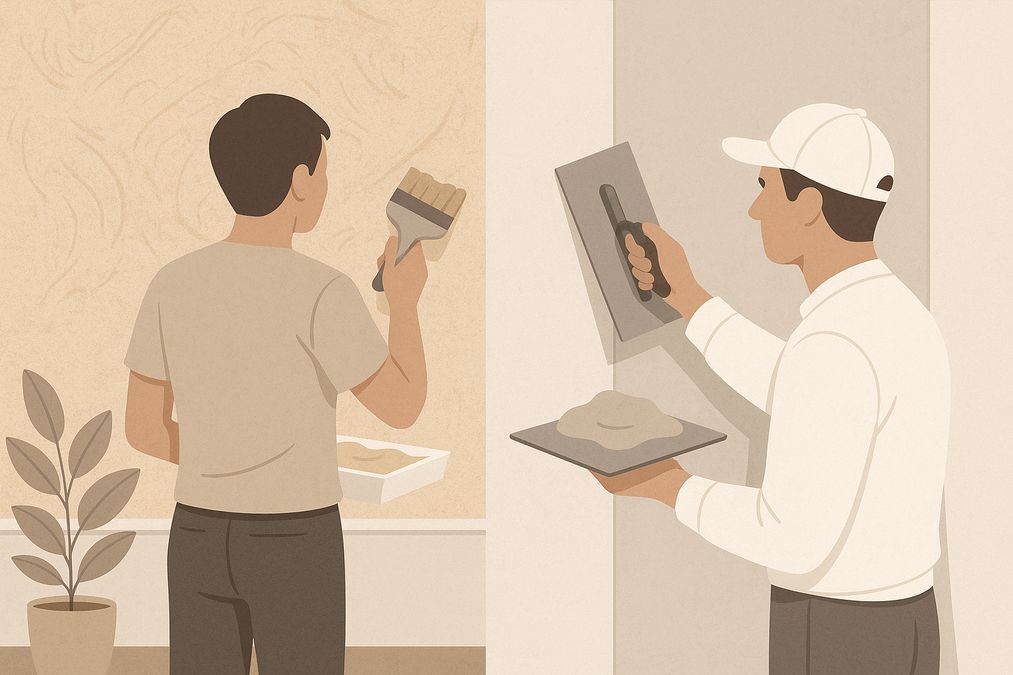
Choosing the right wall finish for your Toronto home, business, or design project is not simply a matter of style—it’s a decision that impacts durability, maintenance, cost, and even the value of your property. One recurring question we hear from homeowners, designers, and contractors is: when can decorative paint stand in for traditional plaster walls, […]
Looking for an affordable way to create the luxurious look of plastered walls—without the cost or hassle of traditional plasterwork? Whether you’re a homeowner, an interior designer, or a contractor in Toronto, mastering affordable decorative paint techniques to mimic plaster finish can transform residential or commercial spaces dramatically. Our expert team at venetianplastershop.ca shares must-know […]
Decorative wall finishes can transform an ordinary space into one that feels custom-designed and inviting. However, many Toronto homeowners, designers, and contractors often face two big concerns: achieving the high-end look of plaster finishes—such as Venetian plaster, limewash, or textured surfaces—on a reasonable budget, and understanding which affordable decorative paint techniques offer the best blend […]
Introduction: Understanding Your Decorative Finish Options in 2026 If you’re planning to give your Toronto home, retail store, or office a fresh new look in 2026, you’ve likely considered decorative finishes. But one of the biggest decisions you’ll face is whether to use a DIY paint kit or invest in professional decorative finishes like Venetian […]